
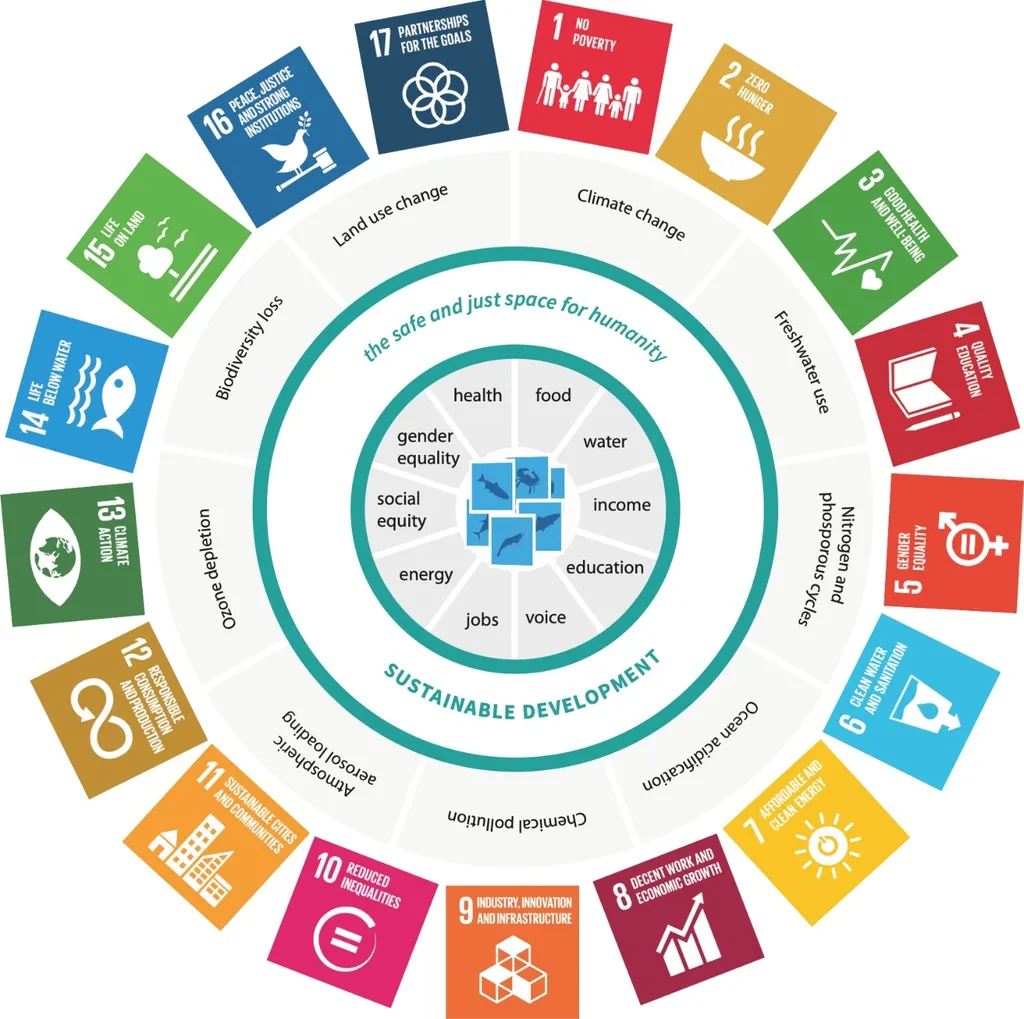
In the quest for sustainable food systems, a novel concept is making waves in the aquaculture sector: regenerative aquaculture. A recent review published in *Frontiers in Sustainable Food Systems* explores this emerging approach, offering a conceptual framework that could reshape the future of blue foods.
Blue foods, derived from aquatic sources, are vital for sustainable, equitable, and healthy food systems. Aquaculture, the leading source of blue foods globally, is growing rapidly. However, it faces significant challenges, including environmental degradation, nutrient waste, and social inequities, particularly in intensive carnivorous fin-fish farming.
The review, led by Alexandra Kate Abrahams of the Arctic Sustainability Lab at UiT the Arctic University of Norway, highlights the potential of alternative systems like lower trophic and integrated multi-trophic aquaculture. These systems offer promising paths to sustainability but require further exploration of their ecological, social, and economic impacts.
Regenerative aquaculture, a concept gaining momentum, emphasizes outcomes that are beneficial for both people and nature. It encourages mindsets that think and live as interconnected systems, principles of diversity, reciprocity, and equity, and practices that are context-specific. The framework also underscores the importance of dynamics such as positive cycles, learning, and adaptation.
“Aquaculture systems that promote ecological regeneration, nature-positive outcomes, social wellbeing, and equity are not just a pipe dream but a necessary evolution for the sector,” Abrahams states. This shift from extractive to regenerative practices is crucial for fostering sustainable and equitable global food systems.
The commercial implications for the agriculture sector are substantial. As consumer demand for sustainable and ethically sourced seafood grows, regenerative aquaculture could open new markets and opportunities for innovation. Farmers and investors who adopt these practices may gain a competitive edge, appealing to environmentally conscious consumers and meeting stringent regulatory standards.
However, transitioning to regenerative aquaculture requires transformation across governance structures, economic systems, and societal values. The review calls for future research to incorporate empirical studies, practitioner expertise, and diverse knowledge systems. This collaborative approach is essential for refining and implementing regenerative aquaculture practices effectively.
As the aquaculture sector continues to grow, the adoption of regenerative practices could mitigate environmental impacts while enhancing social equity. The framework proposed by Abrahams and her team provides a roadmap for this transformation, offering a vision for a more sustainable and equitable future in blue foods.
For the agriculture sector, this research underscores the importance of innovation and adaptability. By embracing regenerative aquaculture, stakeholders can contribute to a more sustainable food system while tapping into new commercial opportunities. The journey towards regenerative aquaculture is complex, but the potential benefits for people, nature, and the economy make it a worthwhile endeavor.