
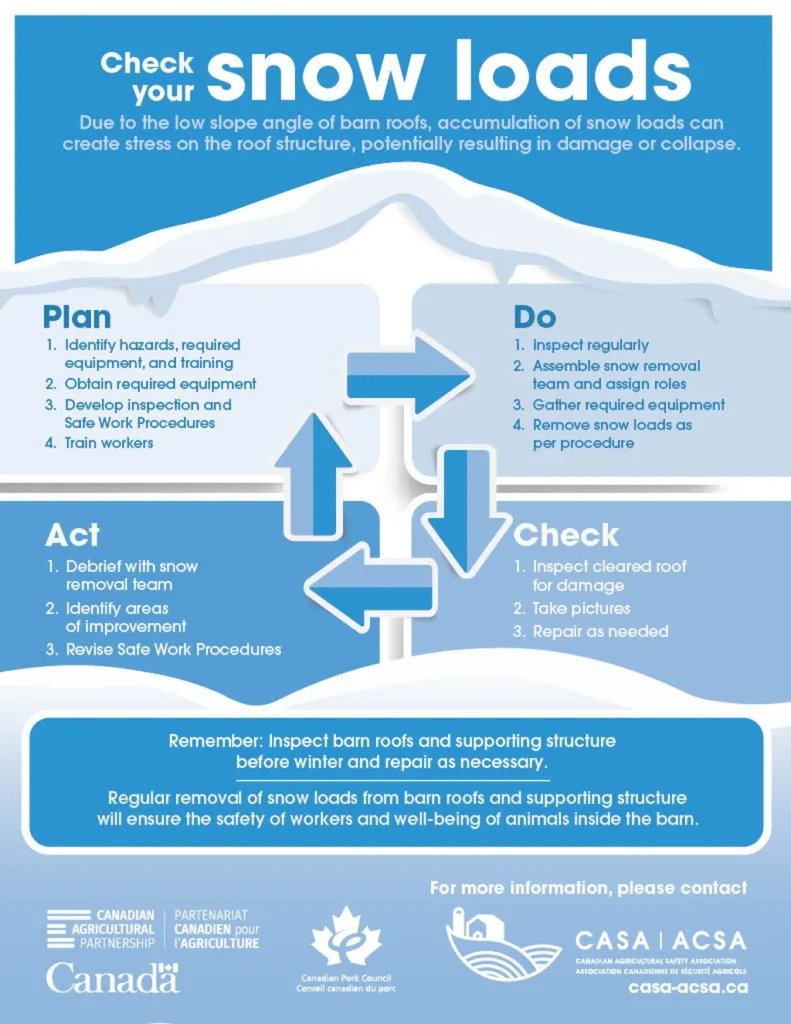
In an era where climate change is reshaping weather patterns, the agricultural sector faces unprecedented challenges, particularly from heavy snowfall events. A recent study published in the *Journal of Agricultural Engineering* offers a novel approach to managing these risks, potentially saving farmers from devastating losses. The research, led by Seokhyeon Kim from the University of Florida’s Agricultural and Biological Engineering Department, introduces a probabilistic risk management framework that could revolutionize how agricultural facilities prepare for extreme weather.
The study focuses on lightweight structures like greenhouses, which are particularly vulnerable to snow loads. By analyzing 20 years of meteorological data from 99 weather stations across South Korea, Kim and his team developed a Markov Chain model to predict snow load dynamics. This model considers the varying densities of wet and dry snow, which can significantly impact structural integrity.
“Snow density changes due to temperature fluctuations play a critical role in snow load evolution,” Kim explains. “Our framework evaluates failure probabilities of different greenhouse specifications, providing actionable insights for disaster mitigation.”
The research highlights regional disparities in failure probabilities, with areas prone to heavy snowfall showing significantly higher risks. By creating national-scale failure probability maps, the study offers a tool for early warning systems, resource allocation, and policy recommendations. This proactive approach could mitigate losses and enhance the resilience of agricultural facilities.
The commercial implications for the agriculture sector are substantial. Farmers and agricultural businesses can use this framework to make informed decisions about structural investments, insurance, and disaster preparedness. “Integrating probabilistic models with structural safety assessments is crucial for sustainable agricultural practices,” Kim emphasizes. “This methodology supports a proactive approach to disaster risk reduction, ultimately safeguarding livelihoods and food security.”
As climate change continues to intensify, the need for robust risk management strategies becomes ever more pressing. Kim’s research provides a valuable tool for the agricultural sector, offering a pathway to enhance resilience against extreme snowfall events. By adopting such frameworks, farmers can better protect their facilities and ensure the sustainability of their operations in the face of a changing climate.