
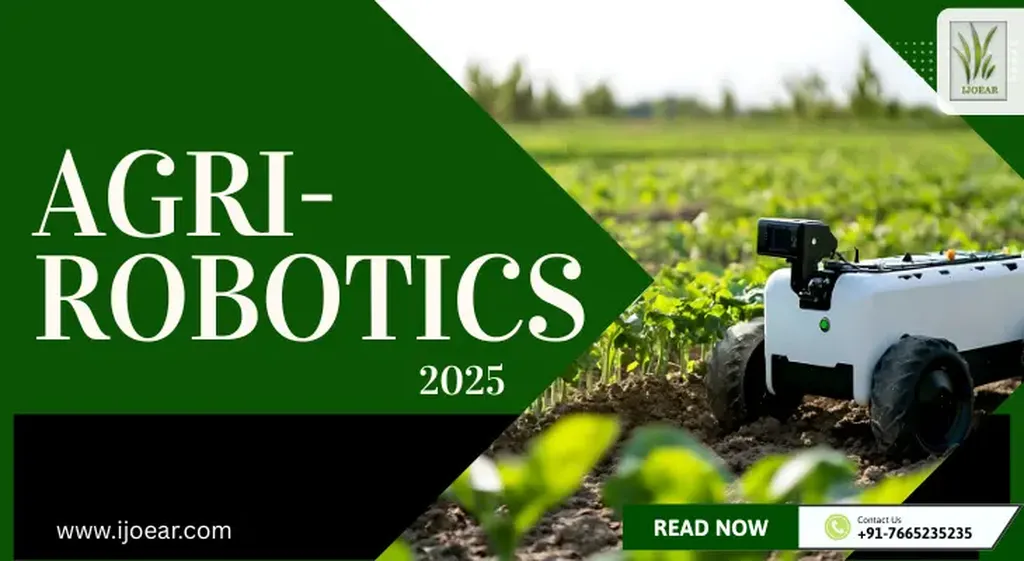
The advent of robotic farming marks an unprecedented leap for agriculture. Around the globe, increasing pressure on food systems from a rapidly rising population, labor shortages, environmental threats, and market volatility demands an urgent transformation. Fueled by AI, robotics, advanced sensors, and big data, both robotics and farming are evolving in synergy. Innovations such as robotic dairy farms, robotic milking units, autonomous robotic sprinklers, AI-powered crop monitoring, and automated feeding solutions are now redefining productivity, sustainability, and profitability in 2025 and are set to continue this trajectory through 2026 and beyond. From robotic milking and precision irrigation to autonomous robots handling planting, weeding, and data analytics, these technologies are enabling both large-scale and smallholder farmers to meet pressing challenges with precise, efficient, and sustainable solutions.
Robotic farming is the integration of advanced robotics, sensors, and AI with traditional agriculture methods. It automates tasks across the farm, including feeding livestock, milking cows, monitoring crop health, autonomous irrigation, precision sprinklers, soil and weather assessment, and even harvesting. The transformation is both broad and deep—touching everything from labor, resource use, and operational efficiency to the sustainability of food production.
The union of robotics and farming isn’t just a technological upgrade. Robots are now crucial for monitoring animal health on dairy farms, delivering robotic milking that ensures consistent milk quality and reduces stress on cows. In crop fields, they enable precise planting, monitoring, weeding, and harvesting, adapting operations to suit changing soil conditions and weather forecasts.
As we approach 2026, robotic farming systems are not only increasing yields but are reshaping how agriculture addresses global issues:
– **Food Security:** Automated systems increase yield and food supply reliability as the global population continues to rise.
– **Environmental Impact:** Robotic and AI integration enables precision agriculture, reducing waste and minimizing soil and water usage.
– **Water Conservation:** Smart robotic sprinkler and irrigation solutions adjust watering based on real-time moisture levels and weather data, critical in drought-prone regions.
– **Labor Efficiency:** Robotic systems relieve labor shortages and reduce costs by automating repetitive and high-skill tasks.
– **Global Scaling:** Affordable, accessible robotic technology is making advanced agriculture viable for both large enterprises and small farms worldwide.
Key areas of impact include:
– **Livestock Automation:** Robotic milking, feeding, and health monitoring
– **Crop Intelligence:** Real-time monitoring, precision planting, drone-based surveillance
– **Autonomous Irrigation:** Robotic sprinklers adapting to soil and weather data
– **Farm Hygiene:** Automated cleaning robots for barns and parlors
– **Sustainability Analytics:** Carbon footprint, environmental impact monitoring, resource optimization
Let’s explore the top seven robotic farming and robotic dairy innovations that are set to revolutionize agriculture in 2025 and beyond. These advancements not only enhance productivity, efficiency, and sustainability but also empower farmers to adapt to an ever-changing world.
1. **Robotic Milking Systems:** Automated, on-demand milking units equipped with AI and sensors that monitor animal health, reducing labor while enhancing milk quality.
2. **Robotic Feeding & Nutrition Robots:** Autonomous vehicles and robots that distribute precise feed to cows based on real-time health and nutritional needs, maximizing yields and minimizing waste.
3. **Robotic Sprinkler & Precision Irrigation Systems:** Smart irrigation controlled by AI and sensors, adjusting water schedules and amounts based on changing soil, weather, and crop demands.
4. **Autonomous Field Robots for Planting, Weeding & Harvesting:** Robots tackle repetitive and labor-intensive tasks such as seeding, mechanical weeding, fruit picking, and crop harvesting—operating with accuracy and speed.
5. **AI-based Health Monitoring & Herd Management:** Systems embedded in robotic dairy farms track health parameters, detect illness early, and inform timely interventions to reduce costs and veterinary emergencies.
6. **Automated Cleaning & Hygiene Robots:** Maintain barns and milking parlors spotlessly with robotic cleaning units, lowering disease risk and supporting animal welfare.
7. **Data-Driven, AI-Integrated Farm Management Platforms:** Unified digital dashboards bring together crop data, animal welfare, irrigation schedules, and resource management—empowering precise, real-time, and strategic decision-making.
Top benefits for 2025–2026 include:
– **Higher Productivity:** Achieved through automation of key processes.
– **Lower Operational Costs:** Reducing need for manual labor and resources.
– **Enhanced Animal Welfare:** Minimizing stress and disease via monitoring and hygiene robots.
– **Water & Input Conservation:** Smart irrigation adapts to real needs, reducing waste.
– **Impro