
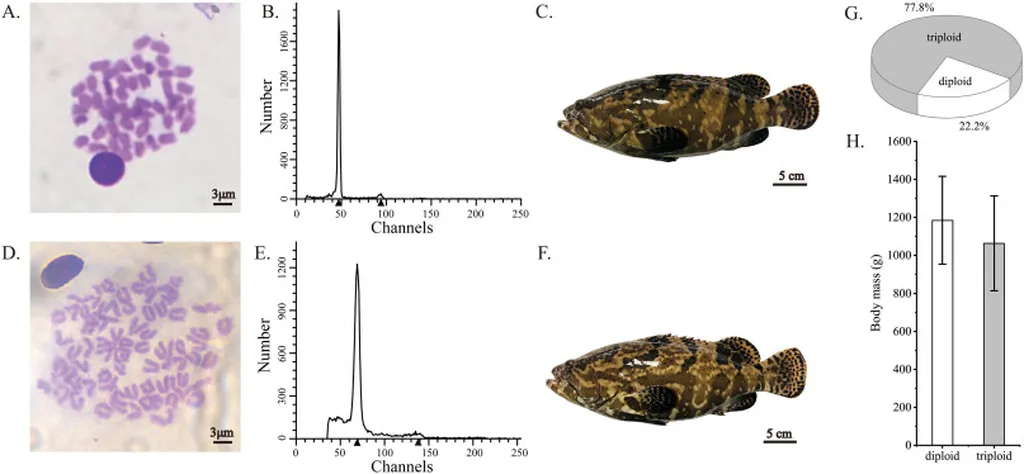
In a significant stride for aquaculture research, scientists have successfully characterized the complete mitochondrial genome of the allotriploid grouper, a hybrid species resulting from the crossbreeding of Epinephelus fuscoguttatus and Epinephelus tukula. This breakthrough, published in the journal *Data in Brief*, opens new avenues for understanding the genetic underpinnings of this economically valuable fish species, potentially revolutionizing the aquaculture industry.
The allotriploid grouper is prized for its rapid growth rate and high-quality meat, making it a desirable species for aquaculture. However, despite its commercial appeal, the genetic information available for this hybrid species has been limited. The study, led by Zhentong Li from the State Key Laboratory of Mariculture Biobreeding and Sustainable Goods at the Yellow Sea Fisheries Research Institute, fills this critical gap by providing the first complete mitochondrial genome sequence of the allotriploid grouper.
The mitochondrial genome, which is 16,610 base pairs in length, contains 13 protein-coding genes, 2 rRNA genes, 22 tRNA genes, and a control region. The gene order and composition are consistent with those of other vertebrates, but the unique base composition—with a higher A + T content of 55.95%—offers insights into the genetic makeup of this hybrid species.
Phylogenetic analysis revealed that the allotriploid grouper is most closely related to Epinephelus fuscoguttatus, its maternal parent. This finding is crucial for understanding the evolutionary relationships within the Epinephelidae family and could have significant implications for future breeding programs.
“The complete mitochondrial genome sequence of the allotriploid grouper provides a valuable resource for future research on the evolution and phylogeny of Epinephelidae,” said Zhentong Li, the lead author of the study. “This information will be instrumental in developing more effective breeding strategies and improving the sustainability of aquaculture practices.”
The commercial impact of this research cannot be overstated. By understanding the genetic basis of the allotriploid grouper’s desirable traits, aquaculture farmers can optimize breeding programs to enhance growth rates, disease resistance, and meat quality. This could lead to more efficient and profitable aquaculture operations, benefiting both the industry and consumers.
Moreover, the study highlights the importance of genetic research in driving innovation in the agriculture sector. As the global demand for seafood continues to rise, the need for sustainable and efficient aquaculture practices becomes increasingly critical. This research provides a foundation for future studies that could further enhance our understanding of fish genetics and improve aquaculture productivity.
In summary, the characterization of the complete mitochondrial genome of the allotriploid grouper represents a significant advancement in aquaculture research. By providing detailed genetic information, this study paves the way for more effective breeding strategies and sustainable aquaculture practices. As Zhentong Li and colleagues continue to explore the genetic landscape of this valuable species, the potential benefits for the agriculture sector are immense. This research, published in *Data in Brief* and led by Zhentong Li from the State Key Laboratory of Mariculture Biobreeding and Sustainable Goods, underscores the critical role of genetic research in shaping the future of aquaculture.