
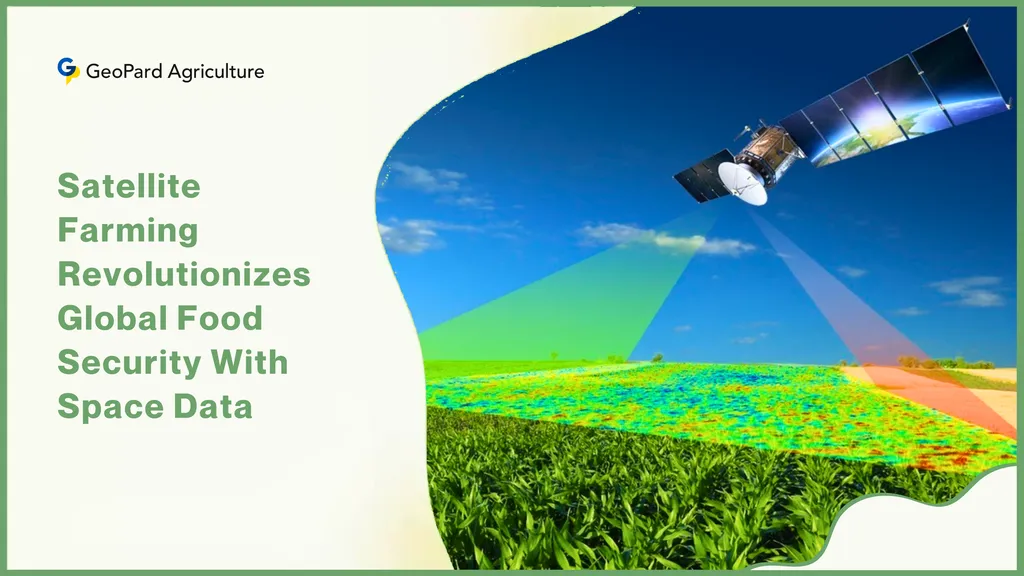
In the quest for sustainable agriculture, farmers and researchers are increasingly turning to big data analytics to strike a delicate balance between productivity and environmental stewardship. A recent study published in *Cogent Food & Agriculture* sheds light on how integrating big data with precision agriculture technologies can drive environmentally sustainable farming practices. The research, led by Dipak Raj Bist of Gokuleshwor Agriculture and Animal Science College at Tribhuvan University in Nepal, synthesizes evidence from a decade of global studies to highlight the transformative potential of data-driven farming.
The study reveals that big data analytics can significantly reduce the use of water, fertilizers, and pesticides by 15% to 40% while maintaining or even improving crop yields. This dual benefit—enhancing resource efficiency and mitigating climate change—positions big data as a cornerstone of sustainable agriculture. “By leveraging data analytics, farmers can make more informed decisions, optimizing inputs and reducing waste,” Bist explains. “This not only cuts costs but also minimizes environmental impact, creating a win-win scenario for both farmers and the planet.”
The research underscores several key applications of big data in agriculture, including site-specific nutrient management, precision irrigation, yield prediction, disease surveillance, and climate risk monitoring. For instance, sensors and IoT devices can provide real-time data on soil moisture levels, enabling farmers to irrigate only when necessary. Similarly, predictive analytics can help farmers anticipate disease outbreaks or pest infestations, allowing for targeted interventions rather than blanket treatments.
However, the adoption of these technologies remains uneven, with high costs, data governance concerns, and infrastructure limitations posing significant barriers. Smallholder farmers, in particular, are often left behind due to the prohibitive expenses associated with advanced sensing and data analysis tools. “The challenge lies in making these technologies accessible and affordable for all farmers, not just large-scale operations,” Bist notes. “Cooperative data platforms, public extension services, and supportive policy frameworks could bridge this gap and ensure equitable access to big data solutions.”
The study also highlights the need for capacity-building initiatives to empower farmers with the skills and knowledge required to harness big data effectively. By fostering a more inclusive approach, the agriculture sector can unlock the full potential of data-driven farming, driving sustainability and resilience in the face of climate change.
As the agriculture sector continues to evolve, the integration of big data analytics into precision farming systems offers a promising pathway toward sustainable and equitable food production. The findings of this research not only underscore the commercial impacts of adopting these technologies but also emphasize the need for collaborative efforts to ensure their widespread adoption. By aligning technological innovation with equity-oriented governance, the agriculture sector can pave the way for a more sustainable and resilient future.