
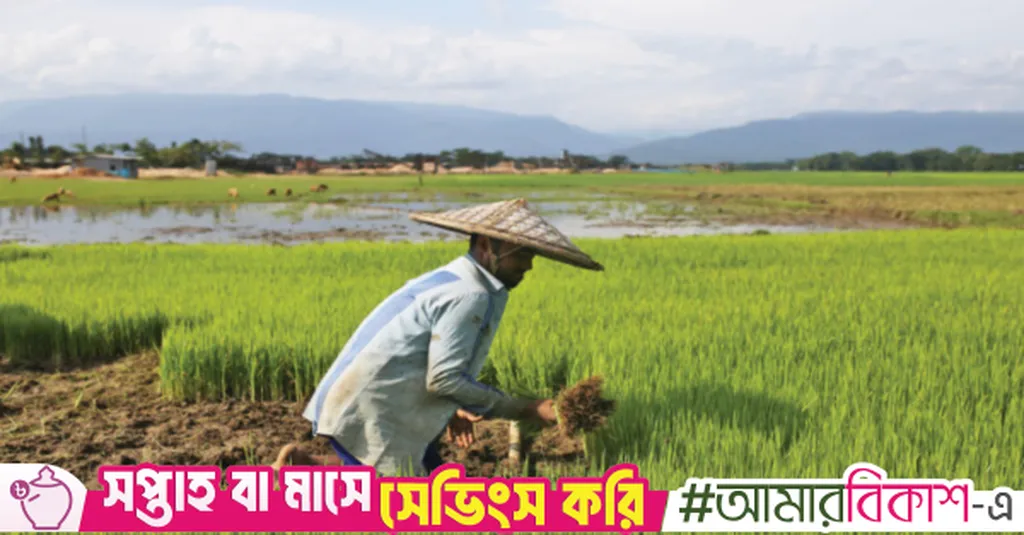
In the heart of Jharkhand, India, a silent revolution is taking root among paddy growers, one that promises to reshape the future of sustainable rice cultivation. A recent study published in ‘NG Agricultural Sciences’ and led by Alka Kumari from the Department of Agricultural Extension Education at Jharkhand Rai University, Ranchi, sheds light on the adoption of Alternate Wetting and Drying (AWD) technology, a method that could significantly reduce water usage in rice farming.
The research, which surveyed 144 paddy growers, revealed a mixed landscape of knowledge and attitude towards AWD. While the majority of farmers exhibited a good understanding of nutrient management, significant gaps were identified in critical areas such as disease and pest management, water management, and weed management. Notably, the study found that farmers struggled most with the installation of panipipe, a crucial component of AWD technology, and understanding its benefits.
“Our findings indicate that while there is a positive attitude towards AWD among 76% of the respondents, there is still a considerable knowledge gap that needs to be addressed,” said lead author Alka Kumari. This gap, she explains, is influenced by various socio-economic factors, including education, landholding, and exposure to mass media and extension services.
The commercial implications of this research are profound. AWD technology has the potential to revolutionize rice farming by reducing water usage by up to 30%, a critical factor in a country where water scarcity is a growing concern. Moreover, the adoption of AWD can lead to significant cost savings for farmers, enhancing their profitability and sustainability.
The study also highlights the importance of targeted extension services and educational initiatives to bridge the knowledge gap. By empowering farmers with the right knowledge and tools, the agriculture sector can drive the widespread adoption of AWD technology, paving the way for a more sustainable and profitable future.
As the world grapples with the challenges of climate change and resource depletion, the insights from this research offer a beacon of hope. They underscore the need for continuous learning and adaptation in the agriculture sector, and the potential of innovative technologies like AWD to transform the way we farm.
In the words of Alka Kumari, “The future of sustainable agriculture lies in our ability to empower farmers with the right knowledge and tools. This study is a step in that direction, but there is still much work to be done.” As we look to the future, the lessons from Jharkhand serve as a reminder of the power of innovation and the importance of bridging the knowledge gap in our quest for a more sustainable and prosperous agriculture sector.