
In the heart of India’s agrarian landscape, a silent crisis brews. The farming population is aging, and rural youth are migrating to cities in droves, leaving behind a void that threatens the sustainability of the country’s agrarian economy. However, a recent comprehensive review published in *NG Agricultural Sciences* offers a beacon of hope, particularly for the state of West Bengal. Led by Swapnamay Ghosh from the Department of Agricultural Extension at Uttar Banga Krishi Vishwavidyalaya, the research delves into how agricultural extension approaches can re-engage rural youth in farming, potentially transforming the sector’s future.
The review, which synthesizes literature from 2005 to 2025, paints a picture of a dynamic shift in West Bengal’s agricultural extension systems. Traditionally top-down and public advisory, these systems have evolved into pluralistic, market-oriented services. Key players in this transformation include Krishi Vigyan Kendras (KVKs), Agricultural Technology Management Agency (ATMA) platforms, corporate entities, and non-governmental organizations (NGOs).
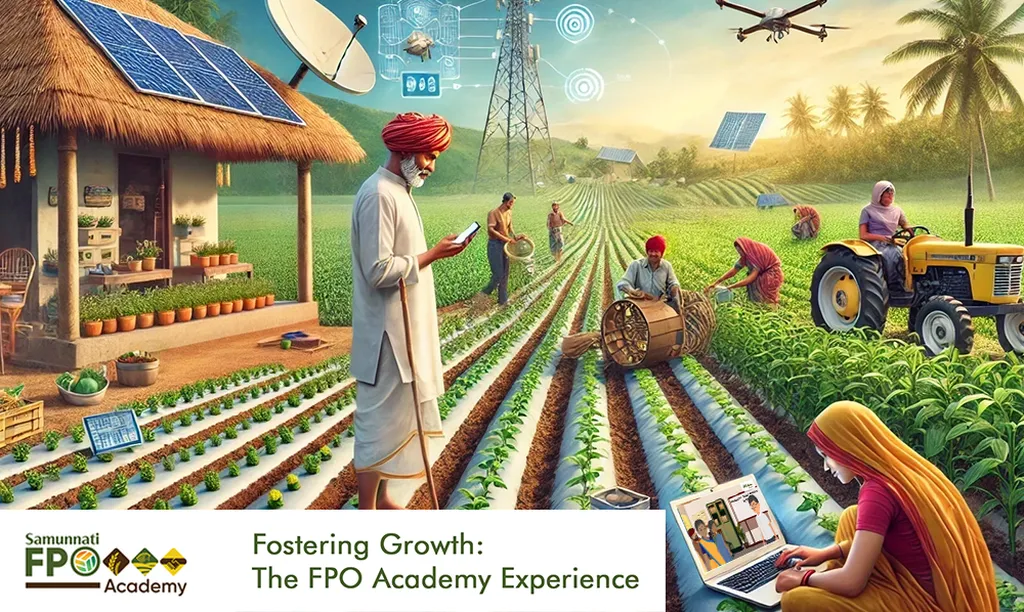
One of the most striking findings is the role of digital tools in enhancing knowledge access. Mobile phones, internet advisories, and platforms like BigHaat and telecentres have bridged the information gap, making agriculture more appealing and accessible to the tech-savvy youth. “Digital tools have democratized information, empowering rural youth to make informed decisions and explore entrepreneurial opportunities in agriculture,” Ghosh notes.
The review also highlights several successful programs that have fostered technical competence, employment, and entrepreneurship among rural youth. These include the Attracting and Retaining Youth in Agriculture (ARYA) initiative, Skill Training for Rural Youth (STRY), Agri Clinic and Agri Business Centre (ACABC), and Diploma in Agricultural Extension Services for Input Dealers (DAESI). These programs have not only equipped young people with the necessary skills but also instilled a sense of pride and purpose in pursuing agricultural livelihoods.
Moreover, the research underscores the importance of social enterprises and incubators in creating livelihood opportunities while preserving ecological values. Examples like ONganic Foods and Green College demonstrate how social–ecological models can drive sustainable agricultural practices and economic growth.
The commercial impacts of these findings are profound. By engaging rural youth in agriculture, the sector can benefit from fresh perspectives, innovative ideas, and a renewed sense of vigor. This influx of human capital can drive productivity, foster entrepreneurship, and create new markets, ultimately bolstering the agrarian economy.
Looking ahead, the review concludes with policy and research recommendations aimed at strengthening youth-centered extension. These include integrating inclusive digital platforms, tailoring training to differentiated youth typologies, supporting collective enterprises, and forging cross-sectoral partnerships. By implementing these strategies, the agricultural sector can build resilient and sustainable livelihoods, ensuring a prosperous future for both the youth and the industry.
As the world grapples with the challenges of food security and climate change, the insights from this research offer a timely and crucial roadmap for rejuvenating agriculture through the engagement of rural youth. The findings not only hold promise for West Bengal but also serve as a model for other regions grappling with similar issues. In the words of Ghosh, “The future of agriculture lies in the hands of our youth. By empowering them with the right tools, knowledge, and opportunities, we can cultivate a sustainable and thriving agrarian economy.”