
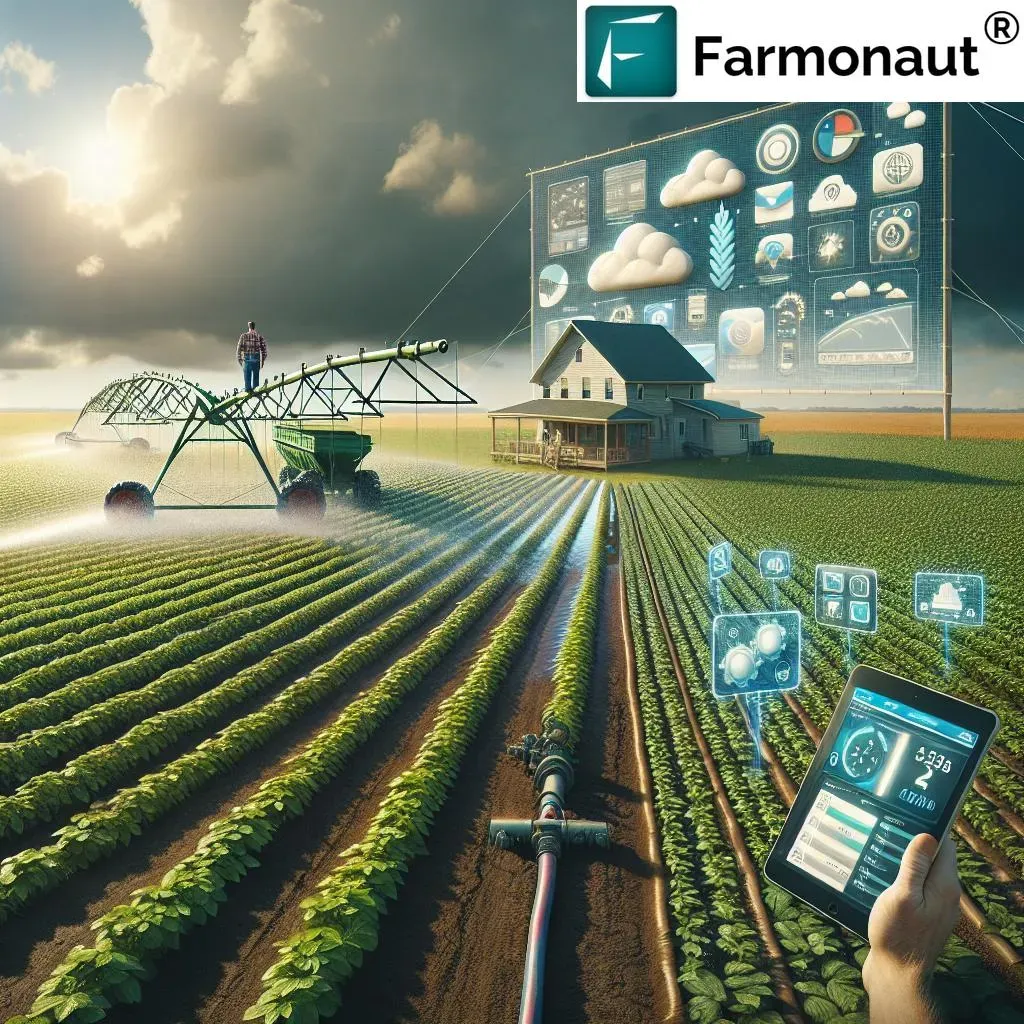
In the rapidly evolving landscape of agriculture, technology continues to play a pivotal role in boosting efficiency, sustainability, and overall productivity. As the industry moves into 2025 and beyond, agriculture reels—once simple mechanical devices—now stand at the cutting edge of field management and resource conservation. This comprehensive guide explores the latest advancements in agriculture reel technology, the integration of smart irrigation systems, and the far-reaching impacts these innovations have on modern farming practices. By understanding the evolution of reels, their relevance in today’s farming, and their connection to sustainable, data-driven agriculture, we help position farmers, agritech businesses, and policymakers at the forefront of change in 2026. The transformation is not just technological; it is a paradigm shift toward precision, cost-effectiveness, and environmental stewardship. Modern agriculture reels are more than irrigation aids—they are the linchpin in integrating data-driven, sustainable techniques for tomorrow’s farms.
An agriculture reel is, fundamentally, a mechanized spool used to wind and unwind hoses or cables that distribute water, agrochemicals, and other essentials across farmland. The primary function of these reels revolves around distributing resources efficiently across large areas, minimizing labor and maximizing precision. Used for controlled irrigation (watering crops precisely), essential for applying fertilizers, pesticides, or soil conditioners, and vital in deploying nets or barriers for pest control, the historical role of reels has been in early mechanized irrigation systems and crop spraying. As technology advances, the role and capabilities of reels continue to expand—making them critical to the modern farm’s operation. Invest in reels equipped with IoT sensors and remote-control features to enable real-time precision and cut down on manual intervention.
The evolution of the agriculture reel mirrors the evolving landscape of modern farming. Over the last decades, advancements in materials science, engineering, and digital integration have completely changed what reels can do. Lightweight composites reduce equipment weight and maintenance costs, smart sensors enable real-time data collection on soil moisture, weather, and application rates, GPS & remote controls allow precision movement and variable-rate applications, and automated operation programs reels to respond to weather or crop signals, reducing labor. Modern reels are now powered by IoT devices, integrated with satellite data, and can even be operated via mobile or web-based apps. These innovations optimize water usage, fertilizer distribution, and even pest management, all while supporting sustainability goals. Improvements in the durability of materials also mean that maintenance needs are reduced and systems can withstand challenging weather or field conditions, a crucial factor for farmers in regions with growing climate variability. Automated reels can cut water waste by up to 40%, a key benefit that allows for remote, smart operation saving time, labor, and resources.
Sustainability is the key focus for agriculture in 2025-2026. With global concerns over resource scarcity, every drop of water and every gram of chemicals applied counts. Enter the smart irrigation reel, which bridges modern engineering and advanced data analytics to create efficient, adaptive systems. Optimized resource application uses real-time data to deliver exactly the right amounts of water or fertilizer, environmental protection reduces runoff and minimizes soil contamination, reduced chemical usage controls delivery of inputs protects beneficial insects and soil microbes, and supports resilient cropping ensures supply during drought or unpredictable weather events. Smart reels are now commonly equipped with sensors that collect data on moisture levels, forecast weather conditions, and analyze fertilizer requirements, feeding all this information back into digital systems for maximum efficiency. If you want to leverage satellite-powered field monitoring and AI advisory for your irrigation scheduling, Farmonaut’s Large Scale Farm Management App enables optimized, data-driven practices for maximizing crop health and resource efficiency. This combination of intelligent application and advanced technological features is fundamentally shaping how farmers interact with their fields. The global adoption of automated irrigation reels presents unmatched investment opportunities for those aiming to shape the future of sustainable agriculture technology.
Unlike conventional methods (such as flood irrigation), smart reel systems apply water and fertilizer with pinpoint precision. This not only boosts yield but also curtails unnecessary use of scarce resources and reduces costs. Yield increases up to 20% on average are observed on precision-managed fields compared with traditional systems. Poor calibration or ignoring maintenance can limit the benefits of reel-integrated irrigation, leading to blockages or uneven application. By utilizing integrated IoT devices and leveraging data from satellite-based services such as Farmonaut’s Carbon Footprinting Tool, farmers can track their environmental impact, ensure optimal soil conditions, and make informed decisions at every stage of the crop cycle. Data-driven reels are important for both large and small-scale farmers—a key factor in democratizing agriculture technology and sustainability globally. Precision irrigation prevents overwatering and minimizes soil erosion, connected reels collect invaluable data to refine schedules, controlled amounts of chemical and fertilizer protect aquatic ecosystems