
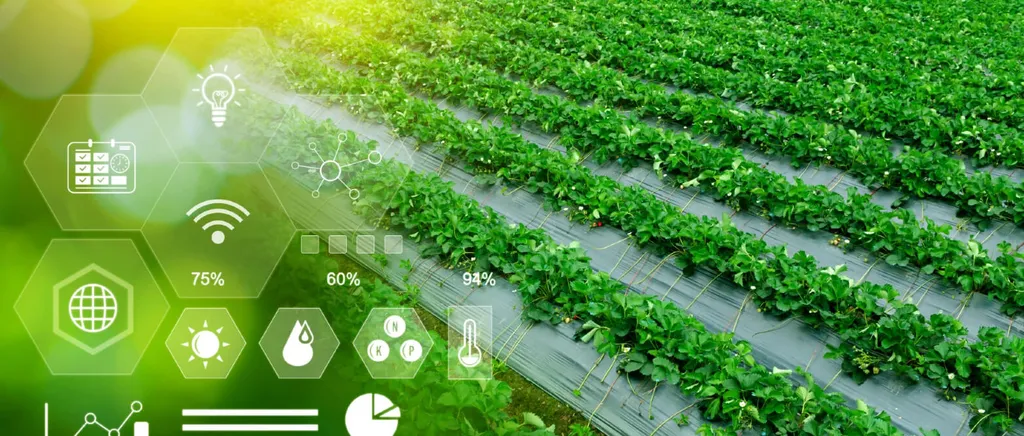
In a world grappling with food security and sustainable agricultural practices, a beacon of hope emerges from the intersection of technology and farming. A recent bibliometric review, published in *NG Agricultural Sciences*, has shed light on the transformative power of Information and Communication Technologies (ICTs) in agriculture. Led by Sai Kumar Periginji from the Department of Agricultural Extension Education at the Centurion University of Technology & Management in India, the study maps the evolving landscape of ICT-based agricultural research, offering insights into the trends, key contributors, and thematic pathways that are shaping the future of farming.
The study, which analyzed 234 papers from the Scopus database, reveals a significant uptick in research publications since 2016, underscoring a global surge in interest in precision technologies, smart farming, and digital agriculture. “The data clearly indicates a shift towards technology-driven solutions in agriculture,” notes Periginji. “This is not just a trend; it’s a paradigm shift that is reshaping how we approach food production and rural development.”
The research highlights several prominent themes, including information sharing, mobile advisory services, smallholder farming, rural development, and AI-based agricultural solutions. These themes reflect a broader movement towards enhancing agricultural sustainability, efficiency, and productivity through technological innovation. The study also underscores the global nature of ICT-agriculture research, with strong contributions and collaborative networks from the US, China, India, and various European and African countries.
One of the most compelling aspects of the study is its emphasis on the commercial impacts of ICT in agriculture. By leveraging technology, farmers can access real-time data on weather patterns, soil health, and crop performance, enabling them to make informed decisions that boost yields and reduce waste. “The potential for commercial impact is immense,” Periginji explains. “From precision farming tools that optimize resource use to mobile advisory services that provide timely advice to smallholder farmers, ICTs are revolutionizing the agricultural sector.”
The study also points to the interdisciplinary nature of ICT-agriculture research, highlighting links between development policy, computer science, environmental studies, and agricultural sciences. This interdisciplinary approach is crucial for addressing the complex challenges facing modern agriculture, from climate change to food security.
As we look to the future, the findings of this bibliometric review suggest that continued investment in digital infrastructure, policy efforts, and capacity-building for ICT use will be essential for achieving equitable and sustainable agricultural growth. The study serves as a call to action for stakeholders across the agricultural sector to embrace technology and harness its potential to create a more resilient and productive food system.
In the words of Periginji, “The future of agriculture lies in our ability to integrate technology into every aspect of farming. By doing so, we can create a more sustainable, efficient, and productive agricultural sector that meets the needs of a growing global population.”