
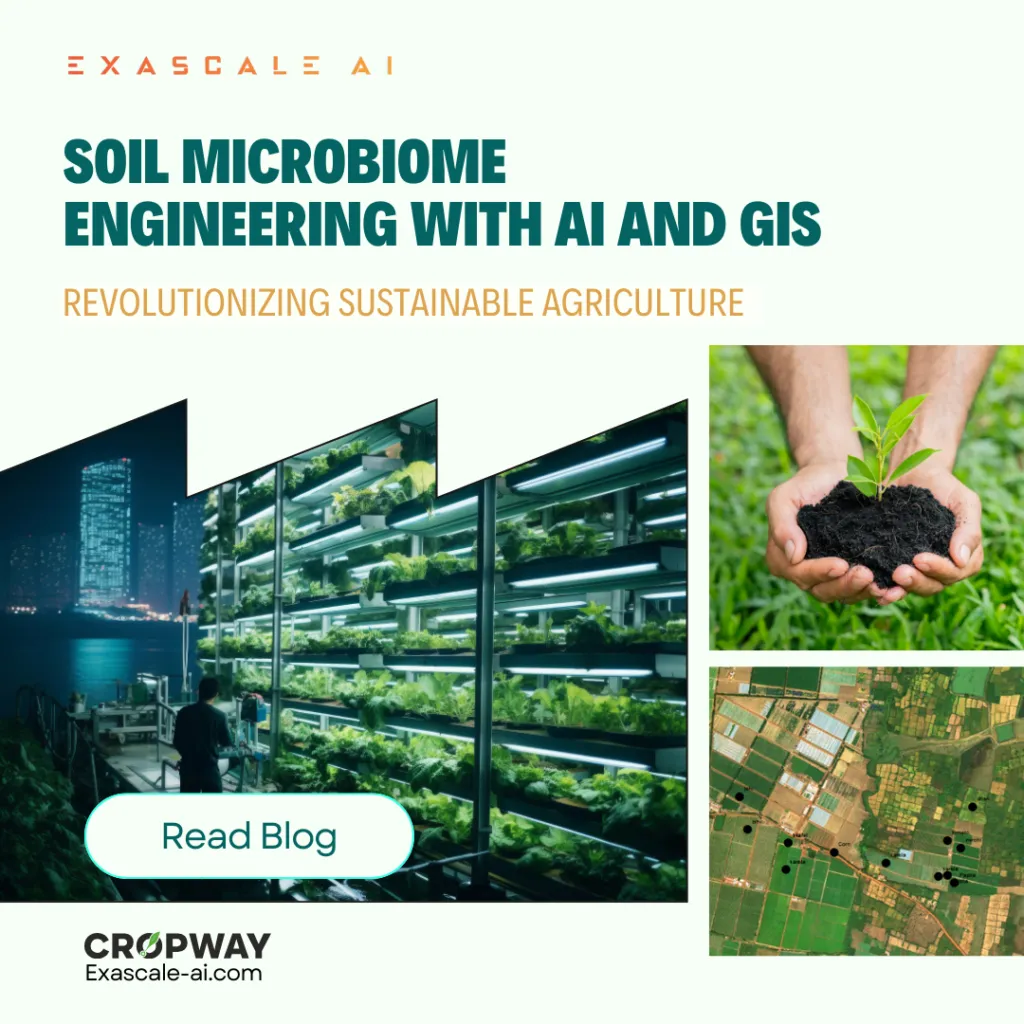
In the face of a burgeoning global population and the pressing need for sustainable construction, researchers are turning to innovative technologies to improve soil stabilization and reinforcement. A recent comprehensive review published in *Advances in Civil Engineering* sheds light on cutting-edge advancements that could revolutionize how we approach soil improvement, with significant implications for the agriculture sector.
The study, led by Ching Hung from the Department of Civil Engineering, explores the application of additive manufacturing (AM), microbially induced calcium carbonate precipitation (MICP), and artificial intelligence (AI) in enhancing the mechanical and hydromechanical properties of soil. These technologies not only promise to improve the stability and durability of construction sites but also align with the urgent goal of achieving net-zero greenhouse gas emissions by 2050.
Additive manufacturing, commonly known as 3D printing, is being increasingly explored for its potential to create complex structures that can reinforce soil. “This technology allows for the precise placement of materials, which can significantly enhance the load-bearing capacity of the soil,” explains Hung. By printing customized reinforcement elements, engineers can tailor solutions to specific geological conditions, reducing the need for extensive excavation and minimizing environmental impact.
Microbially induced calcium carbonate precipitation (MICP) is another promising technology that leverages microbial processes to strengthen soil. This method involves injecting bacteria into the soil, which then produce calcium carbonate, binding soil particles together and improving its mechanical properties. “MICP is particularly attractive because it is environmentally friendly and can be applied in situ, reducing the need for transporting and disposing of large amounts of materials,” says Hung.
Artificial intelligence is also playing a pivotal role in soil stabilization. AI algorithms can analyze vast amounts of data to predict soil behavior under different conditions, optimizing the design and implementation of stabilization techniques. “AI allows us to make more informed decisions, reducing the trial-and-error approach that has traditionally been a part of soil improvement projects,” notes Hung.
The commercial impacts for the agriculture sector are substantial. Improved soil stabilization can enhance the productivity of agricultural lands by providing better support for crops and reducing erosion. Additionally, these technologies can help in the construction of more resilient infrastructure, such as irrigation systems and storage facilities, which are crucial for agricultural operations.
The review also discusses the environmental and economic impacts of these technologies. While each method has its own set of challenges, the potential benefits in terms of sustainability and cost-effectiveness are significant. “The key is to find the right balance between technological innovation and practical application, ensuring that these methods are not only effective but also economically viable,” Hung emphasizes.
Looking ahead, the study proposes several avenues for future research. These include further refining the technologies to improve their efficiency and scalability, as well as exploring their applicability in different geological and environmental contexts. The insights provided by this review offer valuable guidance for researchers and practitioners interested in leveraging these technologies for soil improvement.
As the world grapples with the challenges of urbanization and climate change, the advancements highlighted in this study could shape the future of soil stabilization and reinforcement. By embracing these innovative technologies, we can build a more sustainable and resilient infrastructure, benefiting not only the construction industry but also the agriculture sector and the environment as a whole.