
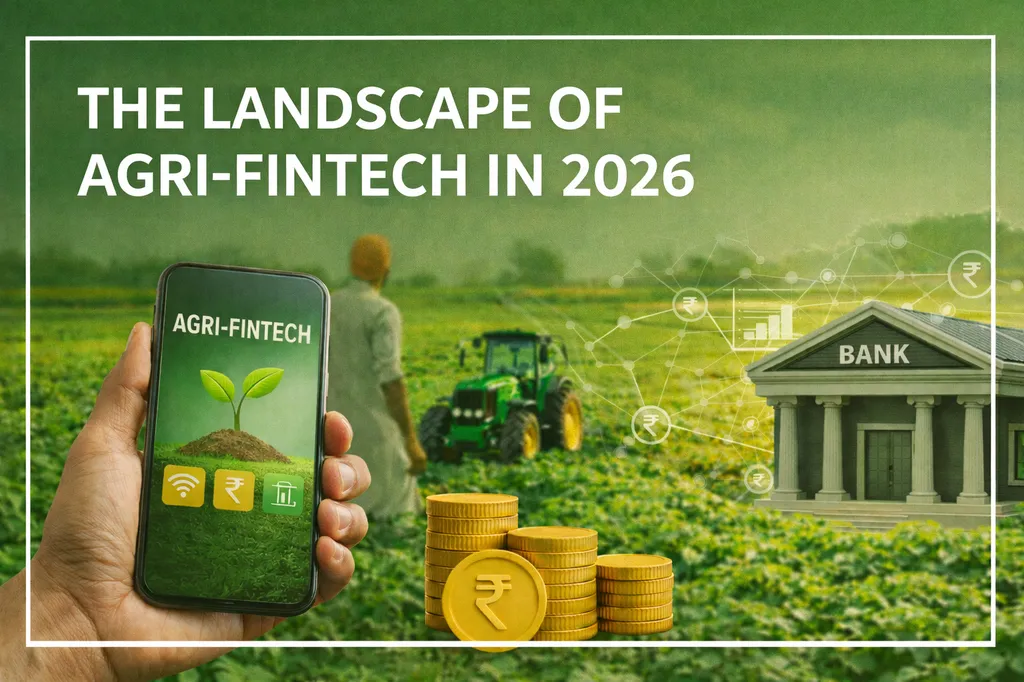
The advent of digital technology in agriculture, often termed digital agriculture or digital agri, is fundamentally transforming the way we cultivate crops, manage resources, and optimize productivity. As we move deeper into 2025 and look ahead to 2026, the integration of advanced digital tools such as IoT, AI, big data analytics, drones, and satellite imagery is reshaping farming, not only to enhance efficiency but also to promote sustainable practices that are critical for feeding a growing global population and preserving the environment.
At its core, digital agriculture harnesses the power of technology to collect, analyze, and interpret real-time data from fields, soil, weather, and crops. These capabilities enable farmers to make informed decisions, enhancing yields, reducing waste, and minimizing environmental impact. Digitalization in agriculture is the new standard, enabling a resilient and technologically advanced future for the sector.
By 2026, over 70% of global farms are projected to adopt AI-driven digital agriculture solutions, according to recent industry reports. This widespread adoption is driven by the need to feed a growing population with limited resources, minimize environmental impact, enhance resilience to unpredictable climate and extreme weather events, improve farmer incomes, and promote transparency and trust in the food chain.
The integration of IoT in agriculture is creating connected farms where every process is digitally monitored and optimized. Sensors placed throughout fields continuously monitor soil moisture, temperature, nutrient levels, and weather—feeding continuous, live data streams to digital agri platforms. This real-time environmental data allows farmers to irrigate, fertilize, and manage crops based on precise field needs, enabling automation and reducing manual labor and risk of human error.
Artificial Intelligence (AI) is redefining the role of analytics in digital agriculture. AI-powered platforms analyze multi-layered data from sensors, satellite imagery, and historical weather to detect patterns, predict risks, and recommend optimized farm interventions. Predictive analytics forecast yields, pest infestations, disease outbreaks, and market prices before they impact the farm. AI algorithms recommend precise planting dates, irrigation schedules, and nutrient applications, while evaluating weather and climate risk to bolster resilience in the face of change.
Precision farming technologies apply digital agriculture principles for supreme accuracy in the field. By leveraging rich data—from IoT sensors to satellite imagery—these tools enable precise application of water, fertilizers, and pesticides to exact field sections needing them. This dramatically reduces chemical runoff and environmental contamination, improving input efficiency and lowering carbon footprints.
The integration of satellite imagery and remote sensing is revolutionizing digital agriculture by offering a comprehensive, high-frequency view of fields, crops, and environmental health. Using multispectral data, crucial variables such as vegetation health (NDVI), soil moisture, and even the smallest signs of pest infestations or disease are detectable. This early warning system allows farmers to detect field issues early, preventing crop loss from disease, weeds, or drought.
Blockchain technology is poised to solve trust and traceability issues within the food and agricultural supply chain. By storing every transaction—from sowing to harvest, storage, packaging, and transport—on an immutable, distributed ledger, blockchain-based traceability guarantees product authenticity. This rapid tracing of contaminated or unsafe produce protects health and brand reputation, while creating end-to-end transparency and simplifying meeting evolving global food traceability and export rules.
Labor shortages and the drive for higher precision are fueling the adoption of agricultural robotics and automation. The next wave of digital agriculture technologies includes self-driving tractors and sprayers, autonomous drones, robotic harvesters, and automated irrigation systems. These innovations reduce operational costs and dependency on seasonal labor, increasing operation speed for timely planting and harvests—critical for maximizing yields and minimizing climate risk.
One of the most transformative elements of digital agriculture is the evolution of cloud-based farm management platforms and user-friendly apps. These centralize all digital data—from satellite images and IoT sensor feeds to planting schedules and market prices—into a single pane of glass accessible via smartphone or desktop. This empowers smallholders worldwide to access advanced digital agri insights affordably, integrating operations from planting, field management, to carbon tracking and blockchain traceability.
Farmonaut is proud to stand at the intersection of advanced satellite technology and digital agriculture transformation. Our mission is to enable affordable, real-time, and actionable satellite insights for agriculture, mining, infrastructure, and more—equipping users for a sustainable future. With global coverage of cropland, infrastructure, and environmental health metrics, our JEEVN AI analyzes multispectral data for real-time crop advisory, optimizing resource use and improving yields. Our blockchain traceability ensures farm-to-fork trust, enabling transparency across supply chains in agriculture and mining, while automated carbon footprint tracking facilitates true sustainable agriculture and compliance worldwide.