
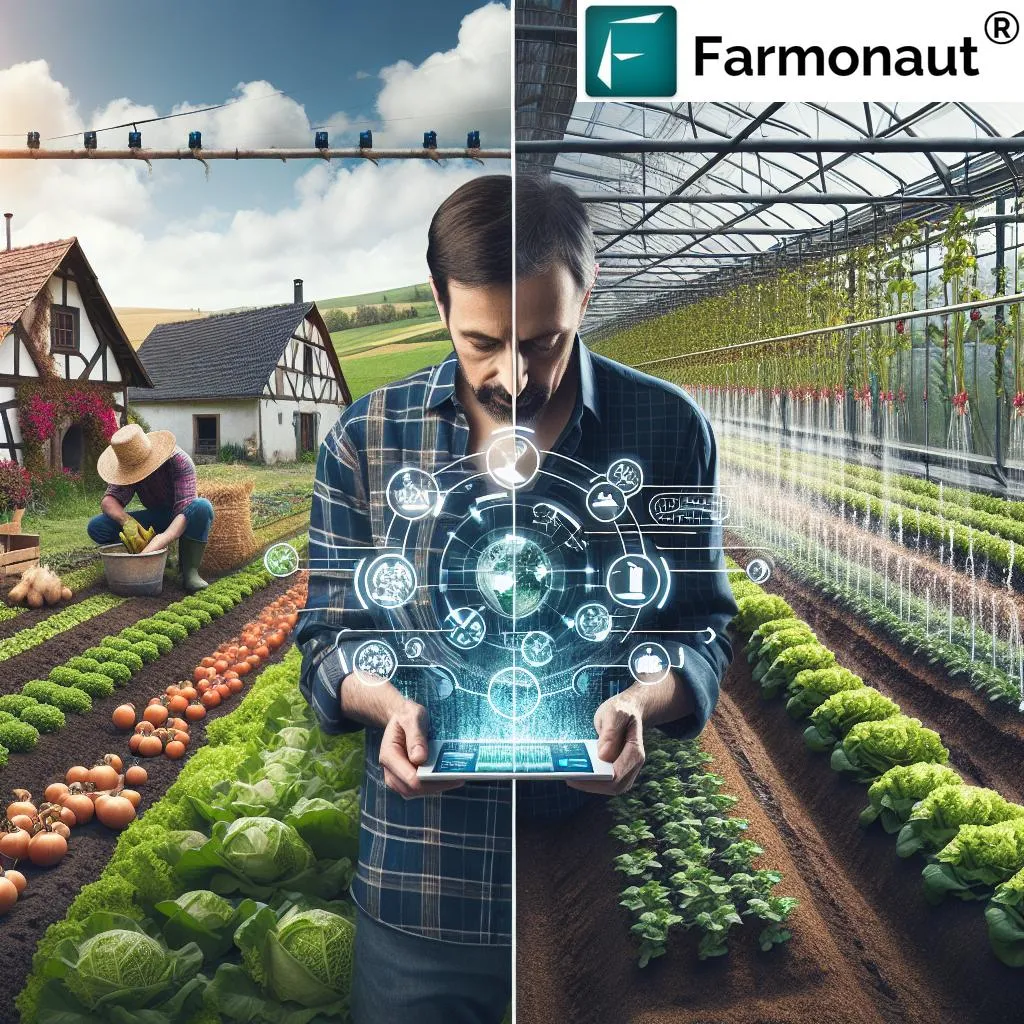
In the face of climate change, geopolitical instability, and environmental degradation, European agriculture is at a crossroads. Ensuring food security while reducing dependency on agrochemical inputs has become a strategic priority, and digitalisation is emerging as a key player in this complex landscape. A recent study published in *Sustainable Futures* sheds light on the role of digital technologies in supporting sustainable and resilient agri-food systems across the European Union, offering insights that could reshape the future of farming.
The research, led by Giri Prasad Kandel from the Faculty of Agrobiology, Food, and Natural Resources at Ceska zemedelska univerzita v Praze, delves into the current state of agricultural digitalisation, the barriers to its adoption, and the effectiveness of key EU policy instruments, particularly the Common Agricultural Policy (CAP). The findings reveal that while several digital technologies, such as precision agriculture, sensor-based monitoring, and decision-support systems, have reached high technological readiness levels, their adoption remains uneven.
Precision agriculture, for instance, offers significant potential. Technologies like variable rate technology for crops can increase wheat production by 1% to 10%, with savings in nitrogen fertilisation ranging from 4% to 37%. However, the path to widespread adoption is not without challenges. “There are trade-offs to consider, such as power asymmetries, rebound effects, and a digital divide stemming from uneven digital literacy among farmers,” Kandel notes. These barriers highlight the need for inclusive policy design and long-term investment in enabling conditions.
The study explores three detailed implementation pathways to harness the potential of digitalisation. The first pathway proposes an EU framework for agrochemical independence and agricultural data digitalisation, aiming to create a unified approach to data management and reduce dependency on chemical inputs. The second pathway suggests leveraging CAP Eco-schemes to promote low-input digitalisation, incentivising farmers to adopt sustainable practices through financial support. The third pathway focuses on cooperative digital inclusion for small and medium farms, addressing the digital divide and ensuring that all farmers, regardless of size, can benefit from digital technologies.
The commercial impacts of these findings are substantial. For the agriculture sector, the adoption of digital technologies can lead to increased productivity, reduced input costs, and improved sustainability. However, the study underscores that digitalisation alone is not a panacea. Its contribution to food security depends on governance, inclusive policy design, and long-term investment. As Kandel puts it, “Only digitalisation is not a panacea, but its contribution to food security depends on governance, inclusive policy design and long-term investment in enabling conditions.”
The research by Kandel and his team offers a roadmap for the future of European agriculture, highlighting the need for strategic policies and inclusive practices to fully harness the potential of digitalisation. As the agriculture sector navigates the challenges of the 21st century, these insights could shape the development of new technologies, policies, and practices, paving the way for a more sustainable and resilient future.