
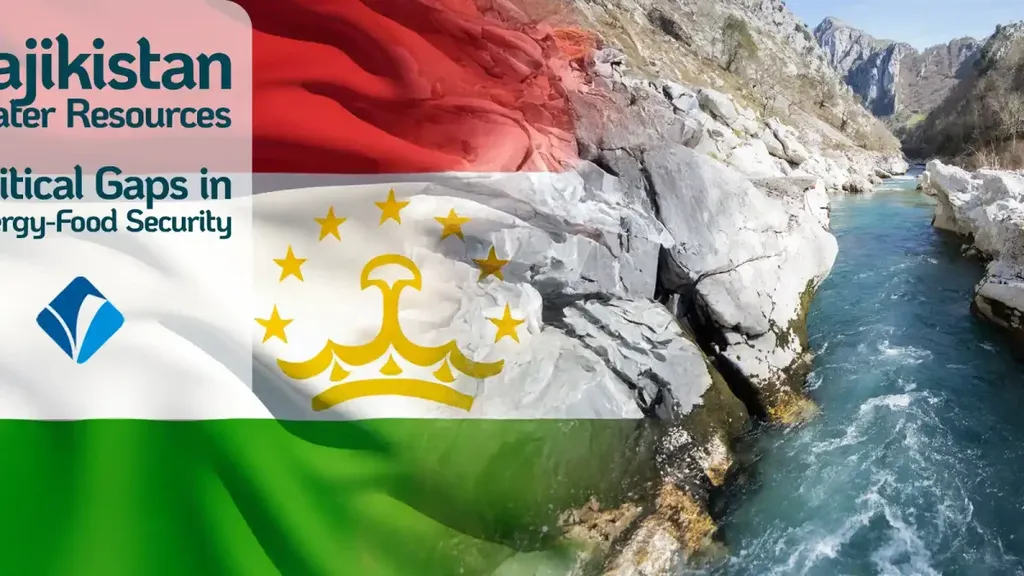
In the heart of Central Asia, Tajikistan stands as a freshwater giant, its glaciers and water resources a lifeline for the region. Yet, this abundance is under threat, and a new study published in *Regional Sustainability* sheds light on the complex challenges and potential paths forward for sustainable water management in the country.
The research, led by Yaning Chen from the Xinjiang Institute of Ecology and Geography, Chinese Academy of Sciences, reveals that Tajikistan’s water system is a delicate interplay of mountain runoff and downstream supply, a complexity that has been overlooked in past studies. “Existing research has predominantly focused on individual hydrological processes, but it has yet to fully capture the overall complexity of the water system,” Chen explains.
Global warming is accelerating glacier melting, disrupting hydrological cycles, and causing unstable runoff patterns. This poses significant risks to Tajikistan’s agricultural sector, which accounts for a staggering 85% of the country’s total water withdrawals. Outdated infrastructure and poor management are primary culprits behind the sector’s low water-use efficiency, threatening food security and economic stability.
The study highlights the urgent need for technological innovation and water-saving agricultural technologies to improve water resource utilization efficiency. “Accelerating technological innovation and promoting water-saving agricultural technologies are core paths for Tajikistan to achieve sustainable water resource management,” Chen emphasizes.
Moreover, the research underscores the importance of cross-border cooperation and improved real-time monitoring systems. Tajikistan’s water resources are not just a national concern but a regional one, with downstream countries relying on the same water sources. Strengthening cooperation and data sharing can foster evidence-based decision-making and sustainable water utilization across Central Asia.
The findings of this study could shape future developments in water resource management, not just in Tajikistan but in other regions facing similar challenges. By adopting a comprehensive, integrated approach, policymakers and stakeholders can navigate the complexities of water systems and ensure sustainable management for generations to come.
As the world grapples with the realities of climate change, studies like this one serve as a stark reminder of the urgent need for action and innovation in water resource management. The path forward may be complex, but the stakes are too high to ignore.