
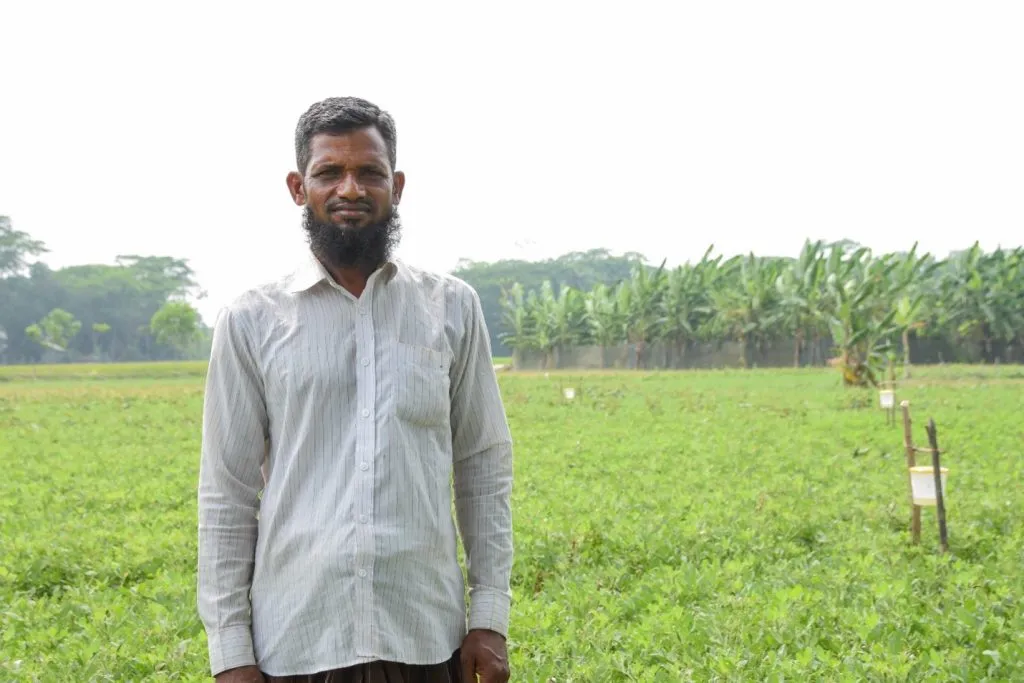
In the heart of Bangladesh’s verdant fields, a silent crisis unfolds. Smallholder vegetable farmers, the backbone of the nation’s agriculture sector, are grappling with the consequences of improper pesticide handling. A recent study published in the *Journal of Agriculture and Food Research* sheds light on this pressing issue, offering insights that could reshape pesticide management practices and bolster sustainable agriculture.
The research, led by Md. Shakhawat Hossain of Northwest A&F University in China and Bangladesh Agricultural University, reveals that Bangladeshi farmers often overlook fundamental safety measures when applying pesticides. This oversight not only endangers their health but also incurs significant healthcare expenses and environmental damage. “The application of safety equipment and pesticide container disposal methods was significantly influenced by farmers’ investments in health and safety measures,” Hossain notes, highlighting a critical gap in current practices.
The study employs the theory of averting behavior model to assess pesticide handling practices, occupational hazards, and health expenditures among smallholder vegetable producers. It found that farmers spent an average of 4.21 US dollars per farm on health and safety measures against pesticide exposure during the 2023 vegetable season. However, many farmers remain unaware of proper pesticide equipment management and disposal techniques.
The findings underscore the need for practical Integrated Pest Management (IPM) training and educational programs. The logit model results reveal that farmers were more likely to adhere to precautionary measures and dispose of empty pesticide containers correctly as their age, educational level, and participation in IPM training increased. “These findings emphasize the need for practical IPM training and farmers’ educational programs to ensure safe pesticide use,” Hossain asserts.
The implications for the agriculture sector are profound. Improved pesticide handling practices can boost sustainable agriculture, reduce health and occupational risks, and enhance the commercial viability of farming. By investing in farmer education and safety measures, policymakers can address the root causes of improper pesticide application and disposal, fostering a healthier and more productive agricultural workforce.
This research not only highlights the current challenges but also paves the way for future developments in the field. As the agriculture sector continues to evolve, the integration of safety measures and sustainable practices will be crucial in ensuring the well-being of farmers and the environment. The study’s insights can assist policymakers in understanding the reasons behind improper pesticide handling and disposal, ultimately shaping policies that promote safer and more sustainable agricultural practices.
In the quest for sustainable agriculture, the findings of this study serve as a beacon, guiding the way towards a future where farmers can thrive without compromising their health or the environment. As the agriculture sector looks to the horizon, the lessons learned from this research will be instrumental in shaping a more resilient and sustainable future for all.