
In the rapidly evolving landscape of modern agriculture, the promise of Agriculture 4.0 technologies—ranging from precision farming tools to advanced data analytics—holds immense potential to revolutionize the sector. Yet, despite their transformative capabilities, these technologies are not being adopted as widely or as quickly as one might expect. A recent study published in *Discover Agriculture* sheds light on the multifaceted barriers hindering the adoption of these cutting-edge agricultural innovations.
Led by Bikram Barman of the Division of Agricultural Extension at ICAR-Indian Agricultural Research Institute, the study conducted a systematic literature review to identify and synthesize the key obstacles preventing farmers from embracing Agriculture 4.0. By analyzing 33 empirical studies sourced from Scopus and Web of Science, the researchers classified these barriers into six core dimensions: technological, economic, institutional, operational, cultural, and individual.
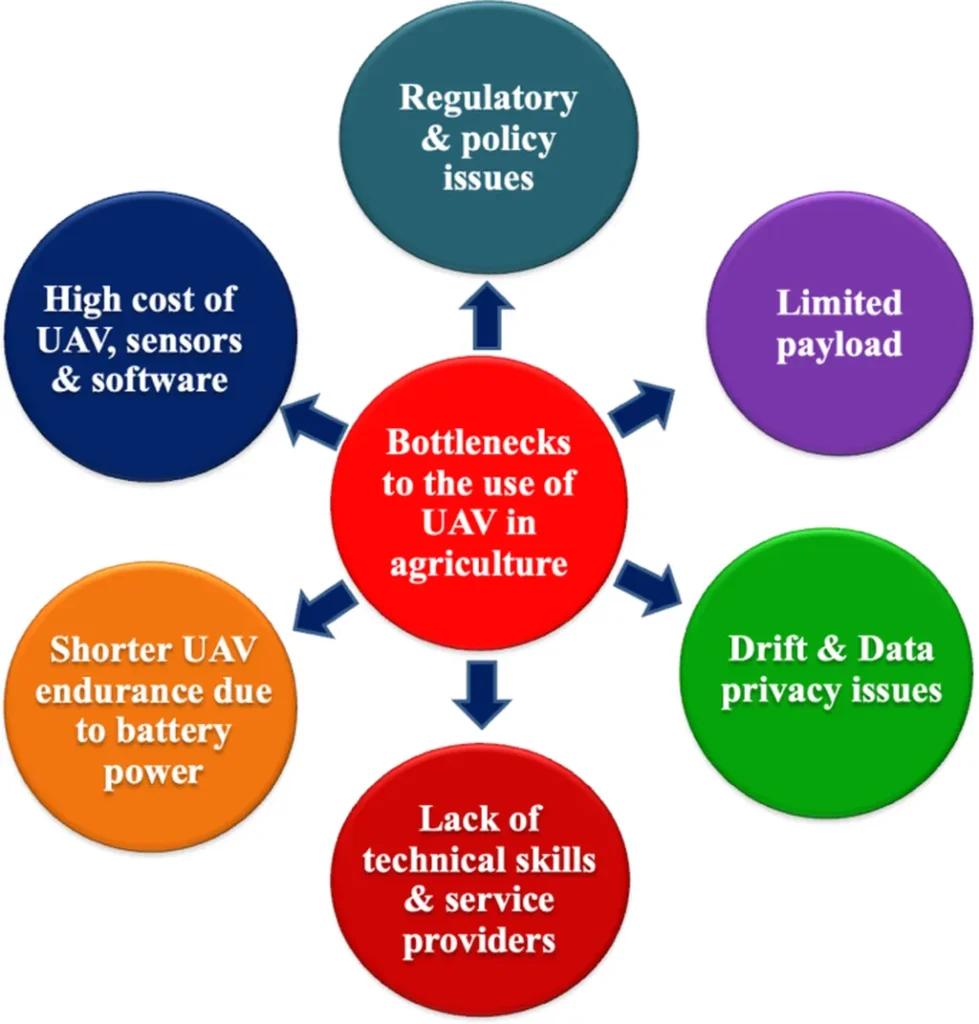
One of the most significant findings was the persistent issue of inadequate digital infrastructure, particularly in rural and remote farming communities. “Without reliable internet connectivity and access to advanced digital tools, farmers are unable to fully leverage the benefits of smart farming technologies,” Barman explained. This infrastructure gap is compounded by high investment and maintenance costs, which many small-scale farmers find prohibitive.
The study also highlighted the lack of institutional and policy support as a major hurdle. Many regions lack clear guidelines, subsidies, or incentives to encourage the adoption of these technologies. “Policymakers and agricultural organizations need to create a more supportive ecosystem that includes financial aid, training programs, and regulatory frameworks to facilitate this transition,” Barman emphasized.
Cultural and individual barriers were also identified as critical factors. Resistance to technological change, low digital literacy among farmers, and the incompatibility of new technologies with existing farming practices all contribute to the slow adoption rates. The study underscores the need for capacity-building initiatives that empower farmers with the skills and knowledge necessary to integrate these technologies into their operations.
The commercial implications of these findings are profound. For the agriculture sector, overcoming these barriers could unlock significant gains in productivity, efficiency, and sustainability. Smart farming technologies have the potential to optimize resource use, reduce environmental impact, and enhance crop yields—all of which are crucial for meeting the growing global demand for food.
The study’s multi-dimensional perspective offers practical insights for policymakers, development organizations, and agritech stakeholders. By addressing these barriers through coordinated strategies—such as infrastructure development, supportive policies, and inclusive innovation models—the sector can pave the way for a more equitable and scalable transition to Agriculture 4.0.
As the agriculture industry continues to evolve, this research serves as a critical guide for stakeholders looking to navigate the complexities of technological adoption. By understanding and addressing these barriers, the sector can harness the full potential of Agriculture 4.0, ensuring a more sustainable and productive future for farmers worldwide.