
In the face of a warming world, the battle against crop diseases is becoming increasingly complex. A recent study published in *BMC Microbiology* sheds light on how temperature fluctuations influence the evolution of fungicide resistance in Phytophthora infestans, the notorious pathogen behind potato late blight. This research, led by Yan-Ping Wang from the College of Chemistry and Life Sciences at Chengdu Normal University, offers critical insights that could reshape agricultural practices and resistance management strategies.
The study examined 96 isolates of P. infestans from seven regions across China, spanning three distinct climatic zones. By analyzing the cytochrome b 5 (Cyt-b 5) gene, the researchers uncovered a striking pattern: populations from warmer regions exhibited higher genetic diversity, while cooler areas showed less variation. This finding suggests that temperature plays a pivotal role in shaping the genetic landscape of the pathogen.
“Our analysis revealed that warmer climates enhance mutational diversity in the Cyt-b 5 gene, which could pre-adapt the pathogen to evade chemical controls,” Wang explained. “However, this genetic diversity also comes with a cost, as it may generate a genetic load that constrains the pathogen’s overall fitness.”
The study also explored the relationship between Cyt-b 5 diversity, temperature, and azoxystrobin tolerance. The results were nuanced: while higher temperatures were associated with reduced fungicide tolerance, they also fostered greater genetic diversity in the Cyt-b 5 gene. This complex interplay underscores the need for climate-smart resistance management strategies that consider regional genetic monitoring and temperature-adjusted fungicide applications.
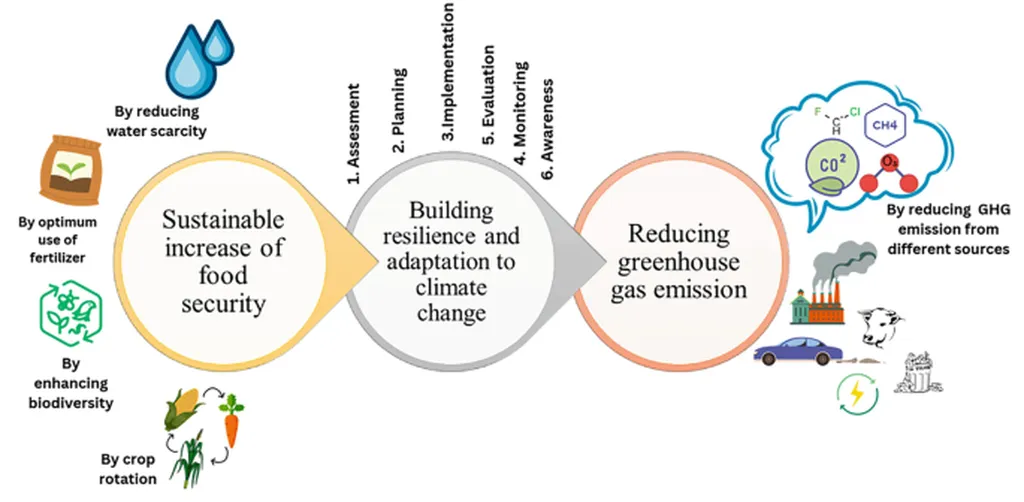
For the agriculture sector, these findings are a wake-up call. As climate change intensifies, the threat of fungicide resistance is likely to grow, posing significant challenges to global food security. The study highlights the urgent need for adaptive strategies that can mitigate these risks.
“Integrating regional genetic monitoring into resistance management plans is crucial,” Wang emphasized. “By understanding the genetic diversity of pathogens in different climatic zones, we can develop more targeted and effective control measures.”
Looking ahead, this research could pave the way for innovative approaches to pathogen management. For instance, farmers might adopt dynamic fungicide application schedules that align with local temperature patterns, thereby reducing the risk of resistance development. Additionally, the study’s findings could inform the development of new fungicides that are less likely to be compromised by temperature-driven genetic diversity.
In conclusion, this study offers a compelling glimpse into the intricate relationship between climate, genetic diversity, and fungicide resistance. As the world grapples with the realities of climate change, the insights from this research will be invaluable in safeguarding agricultural productivity and ensuring food security for future generations.