
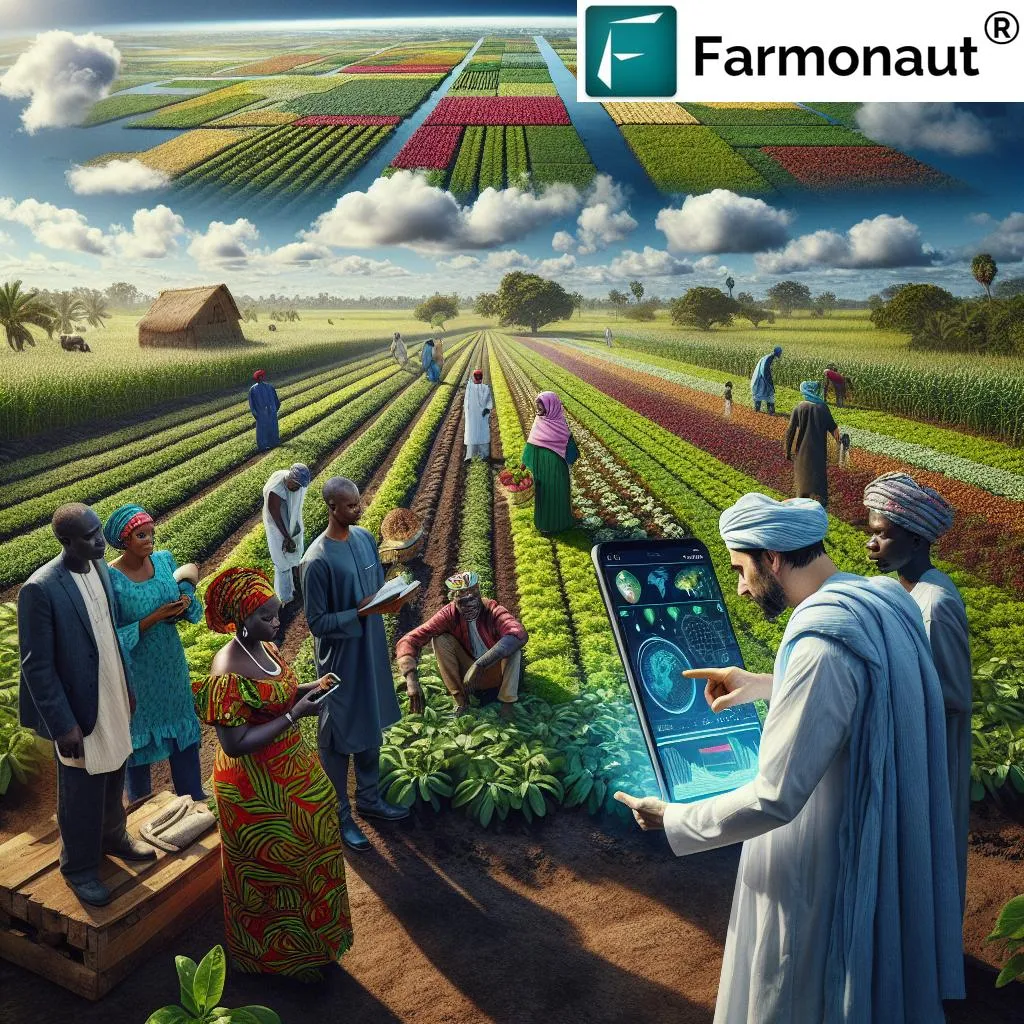
In the heart of Nigeria’s Taraba State, a silent revolution is taking root, one that could reshape the future of agriculture in the face of a changing climate. A recent study published in the *Journal of Agricultural Extension* has shed light on the knowledge and challenges faced by extension professionals in promoting climate-smart agriculture (CSA) practices. The research, led by Nakwe Stephen Haruna Gbana from the Department of Agricultural Extension and Management at the College of Agriculture in Jalingo, Taraba State, offers a glimpse into the potential of these practices to transform the agricultural sector.
The study, which surveyed 87 extension professionals, revealed that these frontline workers possess a commendable understanding of agroecological and diversification practices, as well as sustainable soil management techniques. “Extension professionals are the backbone of agricultural development,” Gbana noted. “Their knowledge and ability to disseminate climate-smart practices are crucial for enhancing the resilience of our farming systems.”
However, the research also highlighted significant challenges that could hinder the widespread adoption of CSA practices. Inadequate training, insufficient resources, policy and institutional barriers, and low farmer engagement were identified as major obstacles. “We need to empower our extension professionals with regular training programs and workshops,” Gbana emphasized. “This will not only enhance their knowledge but also equip them with the tools needed to effectively engage with farmers and promote climate-smart practices.”
The commercial impacts of this research are profound. Climate-smart agriculture practices, such as agroecological farming and sustainable soil management, can enhance productivity, improve resilience to climate change, and reduce greenhouse gas emissions. This can lead to increased yields, improved food security, and enhanced livelihoods for farmers. Moreover, the adoption of these practices can open up new markets for agricultural products, as consumers increasingly demand sustainably produced food.
The study’s findings suggest that investing in the training and capacity building of extension professionals could be a game-changer for the agricultural sector. By empowering these professionals, we can accelerate the adoption of climate-smart practices, thereby enhancing the resilience of our farming systems and ensuring food security in the face of a changing climate.
As we look to the future, this research underscores the need for a multi-stakeholder approach to promoting climate-smart agriculture. Governments, non-governmental organizations, and the private sector must come together to provide the necessary resources, training, and policy support to extension professionals. By doing so, we can unlock the potential of climate-smart agriculture and pave the way for a more sustainable and resilient agricultural sector.
In the words of Gbana, “The future of agriculture lies in our ability to adapt to climate change. And this adaptation begins with empowering our extension professionals with the knowledge and tools they need to promote climate-smart practices.” The ball is now in our court to act on this insight and shape a more sustainable future for agriculture.