
As we approach 2026, the global agricultural landscape is on the brink of a significant transformation, with over 70% of large crop farms expected to adopt satellite-based precision farming technologies. This shift is not merely a trend but a strategic response to the mounting challenges of feeding a growing population and mitigating the impacts of climate change on food security.
Precision agriculture technologies, encompassing tools such as GPS, sensors, drones, data analytics, and artificial intelligence (AI), are at the forefront of this revolution. These technologies enable farmers to optimize crop production by providing detailed, real-time insights into field conditions, soil health, and environmental factors. The integration of these tools allows for precise resource management, enhancing both productivity and sustainability.
Satellite imagery and analytics are particularly noteworthy in this technological shift. By 2026, satellite-based monitoring will offer unparalleled accuracy and scalability, allowing farmers to monitor soil moisture, plant health, and nutrient levels from space. This capability is crucial for making informed decisions about irrigation, fertilization, and pest management, ultimately reducing manual labor and operational costs.
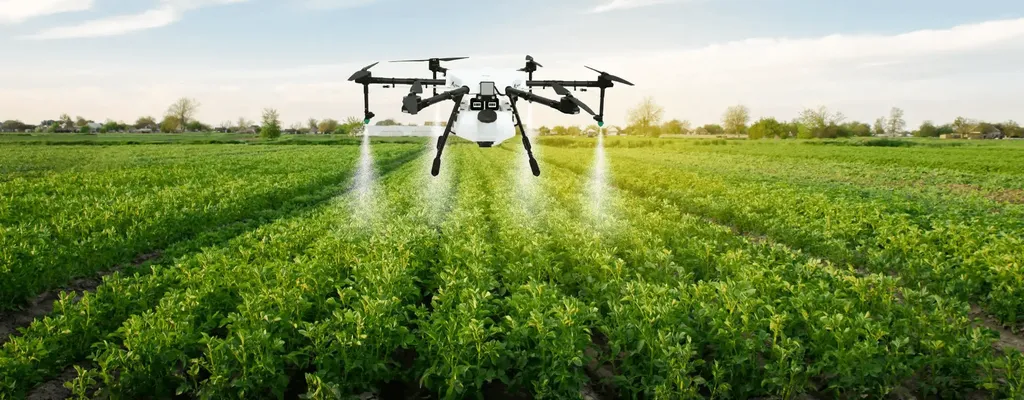
Drones, equipped with multispectral and thermal imaging, are another key component of precision farming. These unmanned aerial vehicles can quickly survey large fields, detecting crop stress, disease outbreaks, and pest infestations before they become visible to the naked eye. The data collected by drones is processed by AI algorithms, providing farmers with actionable insights and timely alerts to prevent crop loss.
Internet of Things (IoT) devices, including soil moisture sensors and automated irrigation systems, play a vital role in real-time environmental monitoring. These technologies enable farmers to fine-tune water application, ensuring that crops receive the exact amount of water they need. This precision is particularly important in water-stressed regions, where efficient water management is critical for sustaining agricultural productivity.
Variable Rate Technology (VRT) systems further enhance the efficiency of precision farming by applying optimal rates of fertilizers, water, and chemicals based on field variability data. This approach minimizes waste, reduces input costs, and protects environmental health by preventing over-application of chemicals.
The role of AI and machine learning in precision agriculture cannot be overstated. These technologies integrate and analyze vast amounts of data from satellites, drones, and IoT sensors, delivering automated predictions, pest and disease outbreak forecasting, and resource optimization recommendations. AI-powered decision-support systems are essential for enhancing crop yields and ensuring sustainable agricultural practices.
Automation and robotics are also transforming modern crop production. Autonomous tractors, harvesters, and robotic weeders, integrated with precision navigation and satellite guidance, deliver precise planting and harvesting operations. These advancements not only improve efficiency but also reduce the environmental footprint of agricultural activities.
As we look ahead to 2026, the widespread adoption of satellite-based precision farming technologies will undoubtedly revolutionize crop farming. By harnessing the power of advanced tools and data analytics, farmers can achieve higher yields, reduce resource waste, and promote sustainable agricultural practices. This technological shift is not just about enhancing productivity; it is about securing a sustainable future for global food production.