
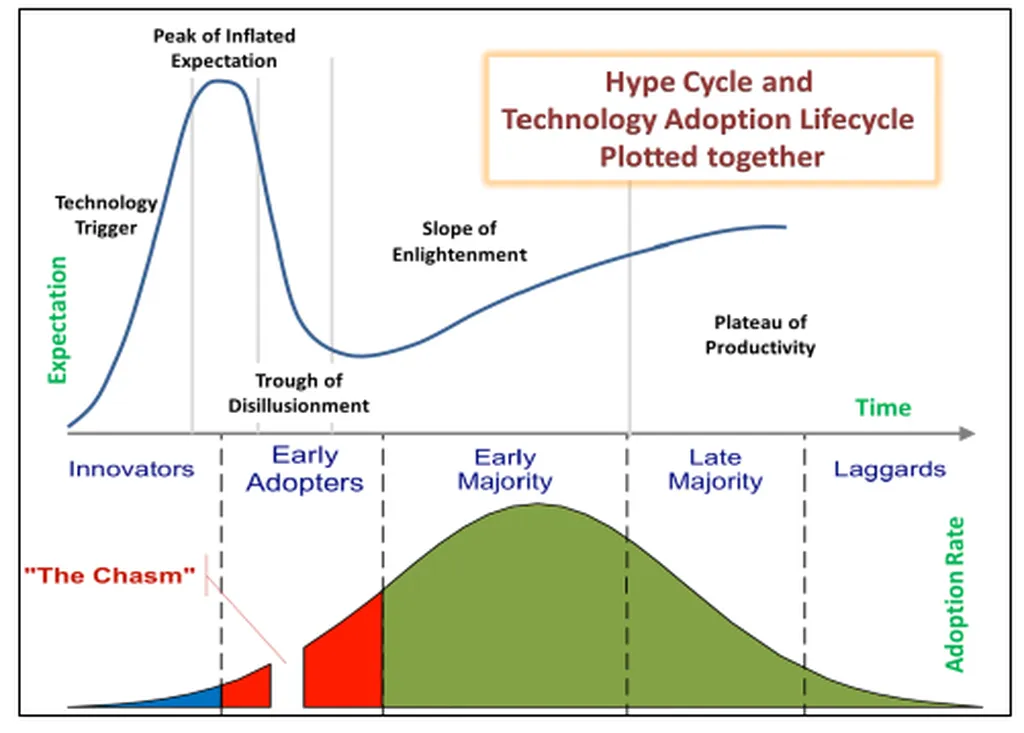
In the ever-evolving landscape of agriculture, the adoption of innovative practices is crucial for addressing global challenges such as food security and climate change. A recent systematic literature review published in the *Journal of Agricultural Extension* sheds light on the mechanisms, contexts, and outcomes influencing the diffusion of agricultural innovations. Led by Andi Warnaen of Politeknik Pembangunan Pertanian Malang, the study synthesizes research from 2015 to 2025, offering valuable insights into how technologies and practices spread across the agricultural sector.
The review, which analyzed 62 Scopus-indexed articles, reveals a consistent increase in publications on agricultural innovation diffusion, peaking in 2020. This surge underscores the growing recognition of the need for innovative solutions in agriculture. The research highlights that while general innovation studies often focus on sub-Saharan Africa, developed countries are increasingly emphasizing precision agriculture. This geographical divide suggests that the adoption of agricultural innovations is deeply context-specific, influenced by regional needs and resources.
Extension agents, who play a pivotal role in bridging the gap between research and practice, are central to the adoption process. The Diffusion of Innovations (DOI) theory remains dominant in this field, but it is increasingly being integrated with systemic and participatory approaches. As Warnaen notes, “Extension agents are not just disseminators of information; they are facilitators of change, helping farmers adapt to new technologies and practices.”
Quantitative methods dominate the research landscape, but mixed-method and qualitative studies provide more profound insights into the complexities of innovation adoption. The review identifies several challenges, including resource constraints, institutional limitations, and farmer resistance. These obstacles highlight the need for a multidisciplinary approach that considers the unique dynamics of each agricultural context.
The commercial impacts of these findings are significant. For the agriculture sector, understanding the factors that influence innovation adoption can lead to more effective strategies for introducing new technologies and practices. This, in turn, can enhance productivity, sustainability, and resilience in the face of climate change. As the review suggests, future research should prioritize digital platforms, precision agriculture, and cross-country collaborations to strengthen adaptive innovation systems.
In conclusion, the study by Warnaen and colleagues underscores the importance of a holistic approach to agricultural innovation diffusion. By integrating digitalization, participatory strategies, and multidisciplinary research, the agriculture sector can better address global sustainability goals and meet the demands of a growing population. The insights from this review are not just academic; they have real-world implications for farmers, extension agents, and policymakers alike, shaping the future of agriculture in a rapidly changing world.