
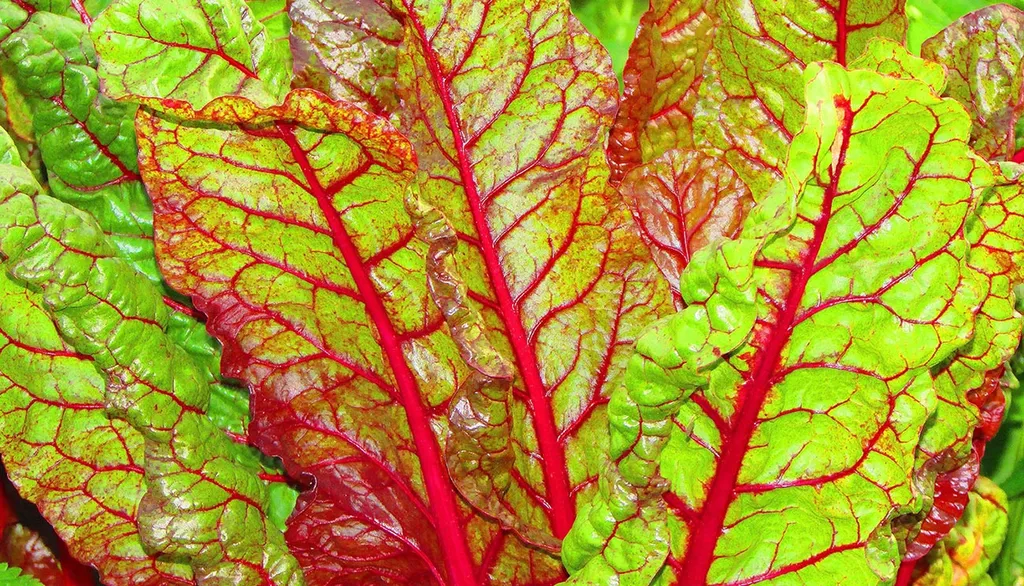
In the world of leafy greens, Swiss chard has long been a staple in kitchens around the globe, prized for its versatility and nutritional value. But beyond its culinary appeal, Swiss chard is now gaining attention for its complex metabolic profile, which could hold the key to unlocking new health benefits and commercial opportunities. A recent study published in *Food Chemistry: X* has delved into the metabolic differences among four Swiss chard cultivars, shedding light on the unique compounds that contribute to their antioxidant properties.
The research, led by Chanung Park from the Department of Crop Science at Chungnam National University in South Korea, identified 63 metabolites in Swiss chard cultivars with varying leaf petiole colors. Using advanced techniques like HPLC, GC–qMS, and GC–TOFMS, the team conducted a comprehensive metabolic profiling analysis. The findings revealed that beyond the well-known flavonoids, other metabolites such as policosanol, carotenoids, and glutamic acid derivatives also play significant roles in the antioxidant activity of Swiss chard.
“This study highlights the importance of diversifying our understanding of the metabolic profiles in leafy vegetables,” Park explained. “By identifying these lesser-known antioxidants, we can potentially enhance the nutritional value of Swiss chard and other leafy greens, making them more attractive to health-conscious consumers.”
The study not only identified these metabolites but also measured the antioxidant activity, total phenolic content (TPC), and total flavonoid content (TFC) in extracts from the four Swiss chard cultivars. The results suggest that the diversity in leaf color among cultivars is linked to variations in metabolite composition, which in turn affects their antioxidant properties.
For the agriculture sector, these findings could have significant commercial implications. As consumer demand for nutrient-dense and health-promoting foods continues to grow, farmers and breeders can leverage this research to develop new Swiss chard cultivars with enhanced antioxidant properties. This could lead to higher market value for these crops and open up new avenues for product differentiation.
Moreover, the study underscores the importance of metabolic profiling in plant breeding programs. By understanding the metabolic differences among cultivars, breeders can select and develop varieties that not only meet consumer preferences but also offer superior nutritional benefits. This could drive innovation in the agriculture sector, leading to the creation of new crop varieties that cater to the evolving needs of the market.
The research also raises intriguing questions about the potential of other leafy greens. If Swiss chard, a relatively common vegetable, harbors such a rich array of antioxidants, what other hidden treasures might lie within the metabolic profiles of less-studied leafy greens? This study could serve as a catalyst for further research into the metabolic diversity of plant species, paving the way for the discovery of new health-promoting compounds.
In conclusion, the study published in *Food Chemistry: X* offers a glimpse into the complex world of Swiss chard metabolites and their antioxidant properties. By identifying key metabolites and their roles in antioxidant activity, the research provides valuable insights that could shape the future of agriculture and plant breeding. As the demand for healthier and more nutritious foods continues to rise, understanding the metabolic profiles of our crops will be crucial in meeting these evolving consumer needs.