
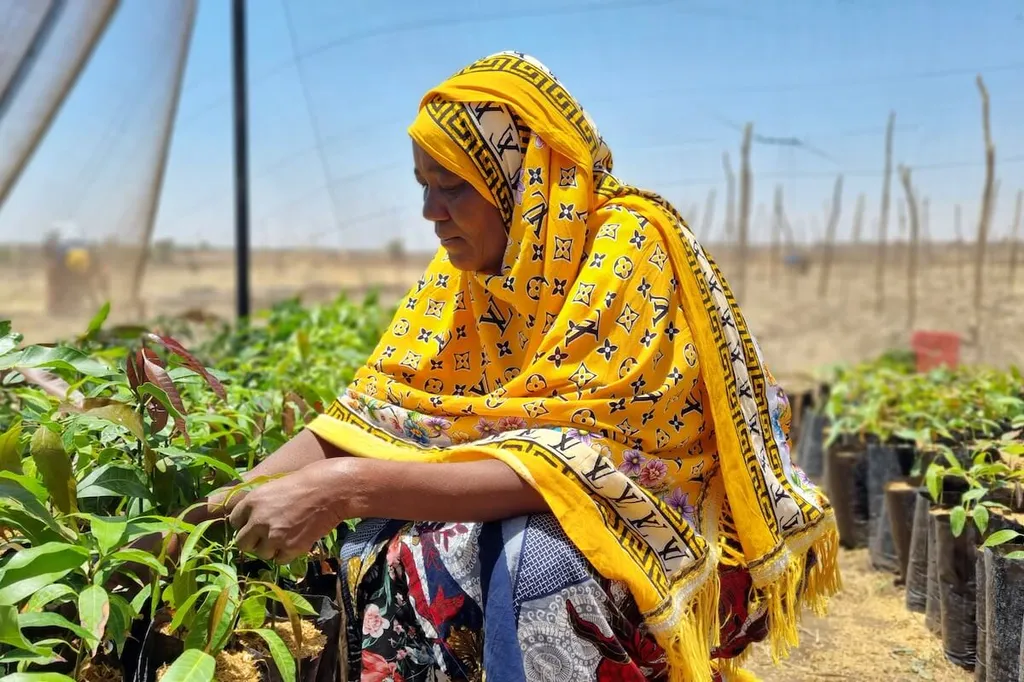
In the heart of Tanzania’s Mvomero district, a silent revolution is taking root, one that could very well shape the future of climate-smart agriculture (CSA) across Africa. A recent study published in ‘Discover Agriculture’ and led by Nyamsabhi Nyamwero from Sokoine University of Agriculture has shed light on the adoption patterns and determinants of CSA technologies across different agro-ecological zones, offering a roadmap for tailored, effective interventions.
The study, which surveyed 267 smallholder farmers and interviewed key informants, found that while CSA technologies like intercropping, organic fertilisers, and crop rotation are gaining traction, their adoption varies significantly across agro-ecological zones. This is a crucial finding, as it underscores the need for context-specific strategies in promoting CSA.
“Our results demonstrate that one size does not fit all when it comes to climate-smart agriculture,” Nyamwero said. “The agro-ecological zone a farmer operates in plays a significant role in their adoption of CSA technologies.”
The study identified several factors influencing CSA adoption, including socio-economic status, farm characteristics, institutional support, access to climate information, and the use of ICT. Notably, farmers reported improved yields and profitability as the main benefits of adopting CSA technologies, highlighting the commercial potential of these practices.
However, challenges such as limited climate information and inadequate credit persist, varying across agro-ecological zones. These findings suggest that targeted support and policy frameworks are needed to enhance inclusive climate-resilient development.
The commercial impacts of these findings are substantial. By understanding and addressing the specific needs and challenges of farmers in different agro-ecological zones, the agriculture sector can unlock the full potential of CSA technologies. This could lead to increased productivity, improved resilience to climate change, and enhanced food security.
Moreover, the study’s emphasis on the role of ICT and climate information services points to promising avenues for agri-tech innovation. By leveraging technology, the agriculture sector can empower farmers with real-time, localized information, enabling them to make informed decisions and adopt CSA practices more effectively.
As we look to the future, this research could shape the development of targeted CSA interventions, policy frameworks, and agri-tech solutions. By embracing a context-specific approach, the agriculture sector can drive sustainable, inclusive growth and resilience in the face of climate change.
In the words of Nyamwero, “This study is a call to action for policymakers, practitioners, and researchers to work together in promoting climate-smart agriculture in a way that is tailored to the unique needs and contexts of different agro-ecological zones.”