
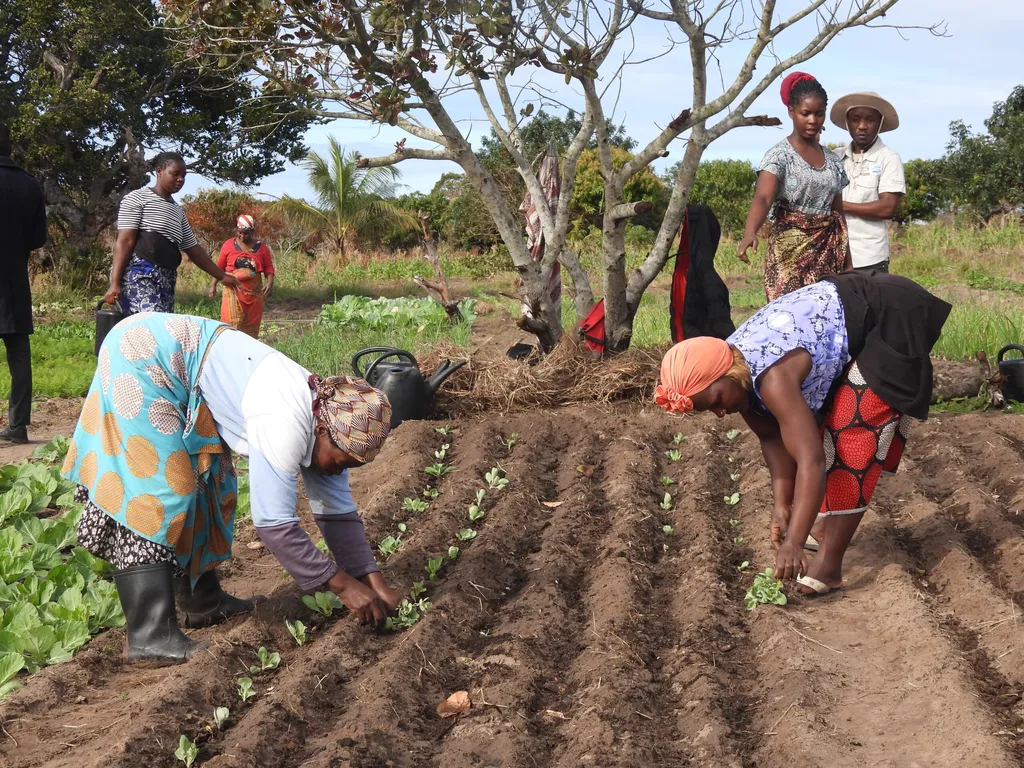
In the rolling hills of Iringa Rural District, Tanzania, a quiet revolution is taking root, one that promises to reshape the future of smallholder farming. The Farmer Field and Business School (FFBS) programme, implemented by CARE International, is not just about teaching farmers new tricks; it’s about fostering a community of empowered entrepreneurs who are redefining sustainable agriculture. The results, published in the Journal of Agricultural Extension and led by Hercidio Tandane of Sokoine University of Agriculture, are nothing short of inspiring.
The FFBS model is a blend of technical training and community-based empowerment, designed to equip smallholder farmers with the skills they need to thrive. The study, which involved 43 farmers—31 women and 12 men—revealed a significant shift in farming practices. Over half of the participants adopted Integrated Pest Management (56%), while nearly as many embraced organic fertilisation (48%) and crop rotation (52%). But the real magic lies in the ripple effects of these changes.
“Farming is not just about growing crops; it’s about building a sustainable livelihood,” said one of the farmers involved in the programme. This sentiment is echoed in the study’s findings, which highlight enhanced farming and entrepreneurial skills among over 70% of participants. The programme’s gender-inclusive approach has also played a pivotal role in reducing disparities and improving food security.
One of the most striking aspects of the FFBS model is its emphasis on participatory monitoring and evaluation (PM&E). This approach fosters a sense of community ownership and accountability, ensuring that the benefits of the programme are felt by all. As Tandane notes, “The success of FFBS lies in its ability to integrate technical support with community-based empowerment.”
The commercial impacts of this research are profound. By improving farming practices and market linkages, the FFBS programme has not only boosted incomes but also enhanced economic resilience. This model could serve as a blueprint for similar initiatives across Tanzania and beyond, offering actionable insights for policymakers and development practitioners.
Looking ahead, the study suggests that strengthening facilitator capacity through continuous gender-responsive training and strategic digital integration could further enhance the programme’s impact. By ensuring equitable support delivery and systematically bridging service gaps, FFBS could empower even more marginalised farming communities.
In a world grappling with the challenges of climate change and food security, the FFBS model offers a beacon of hope. It’s a testament to the power of community-driven innovation and a reminder that sustainable agriculture is not just about technology; it’s about people. As we look to the future, the lessons from Iringa Rural District could very well shape the next chapter in the story of smallholder farming.