
In the intricate world of microbial communication, a new signaling molecule has taken center stage, offering insights that could reshape our understanding of cellular metabolism and potentially revolutionize agricultural practices. Researchers have uncovered that the nitrogen signaling factor (NSF) in fission yeast, Schizosaccharomyces pombe, does more than just regulate nitrogen usage—it triggers a shift in gene expression that mimics respiration, even without a change in the carbon source.
This discovery, published in The EMBO Journal, was led by Shin Ohsawa at the Friedrich Miescher Institute for Biomedical Research. The study reveals that NSF interacts with the mitochondrial sulfide:quinone oxidoreductase Hmt2, prompting a metabolic shift that could prepare yeast cells for nutrient scarcity. “NSF acts like a rheostat, fine-tuning the cell’s response to its environment,” Ohsawa explains. “This suggests that NSF is not just about nitrogen metabolism but could be a broader regulator of cellular preparedness.”
The implications for agriculture are profound. Understanding how microbes like fission yeast regulate their metabolism in response to environmental cues could lead to more efficient fermentation processes in industrial settings. For instance, optimizing yeast performance in biofuel production or food manufacturing could become more precise, reducing waste and increasing yield.
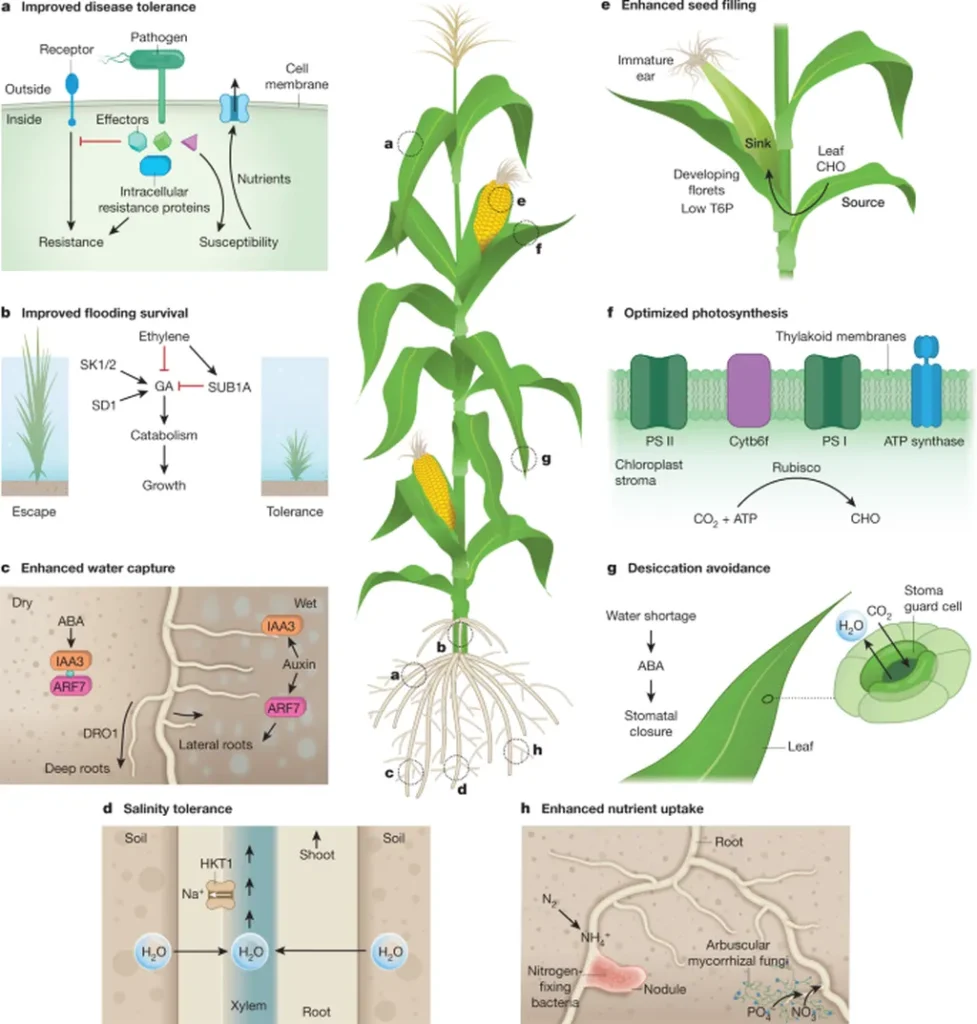
Moreover, this research could pave the way for developing crops with enhanced nutrient uptake and stress resilience. If similar signaling pathways exist in plants, agricultural biotechnology could leverage these insights to engineer crops that are more adaptable to changing environmental conditions, such as nutrient depletion or climate variability.
The study also opens new avenues for exploring cell-to-cell communication in microbes. “This is just the tip of the iceberg,” Ohsawa notes. “If we can uncover more about how these signals work, we might be able to manipulate microbial communities to improve soil health, enhance crop productivity, or even develop new biofertilizers.”
While the research is still in its early stages, the potential commercial impacts are significant. The agriculture sector stands to benefit from more efficient microbial processes, whether in fermentation industries or in the field. As scientists continue to unravel the complexities of microbial communication, the possibilities for innovation in agritech are vast and promising.