
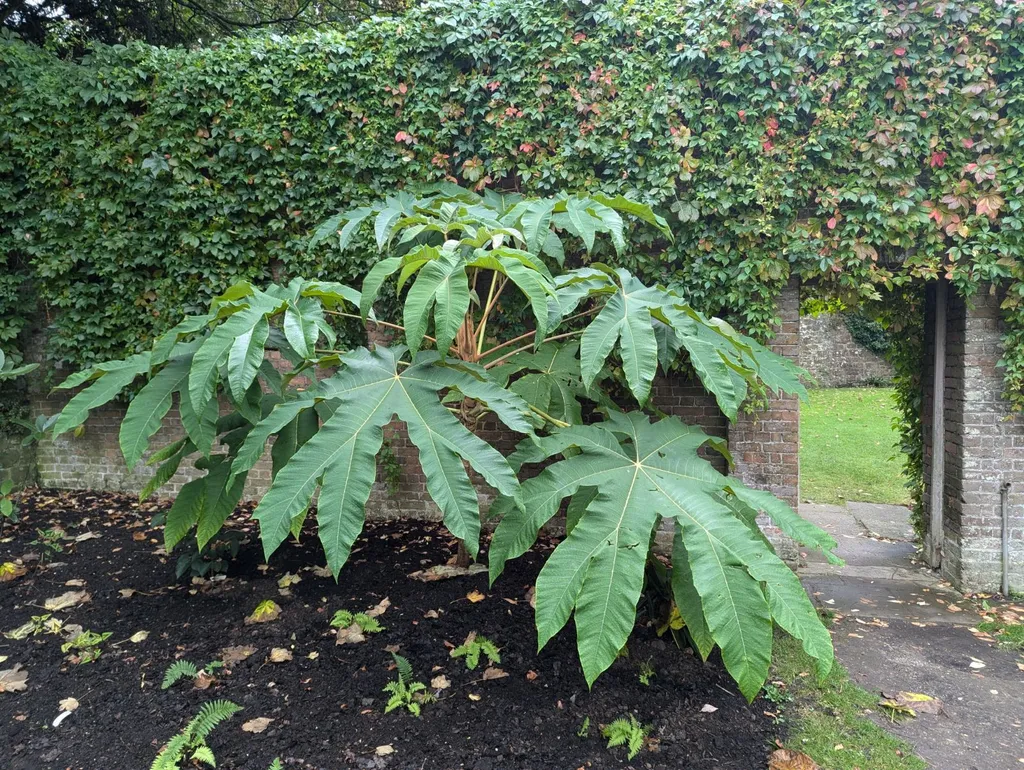
In the heart of China’s Guangxi region, a team of researchers has unlocked the genetic secrets of Tetrapanax papyrifer, a plant revered in traditional Yao medicine. By sequencing its complete chloroplast genome, they’ve opened a window into the evolutionary history of this valuable species and its relatives, potentially paving the way for advancements in agriculture and conservation.
Tetrapanax papyrifer, known for its medicinal properties, has long been a subject of interest for scientists and farmers alike. However, its genetic makeup has remained largely unexplored until now. Using high-throughput sequencing technology, lead author Zhanwei Yu and his team at the College of Biology and Food Engineering, Guangxi Science & Technology Normal University, have mapped out the plant’s entire chloroplast genome. This genetic blueprint spans 156,165 base pairs, with a large single-copy region, a small single-copy region, and a pair of inverted repeat regions.
The team’s phylogenetic analysis revealed that T. papyrifer shares genetic similarities with species from the genus Heptapleurum within the Araliaceae family. “This finding not only sheds light on the evolutionary relationships within the Araliaceae family but also provides a valuable resource for future phylogenetic studies,” Yu explained.
The implications of this research extend far beyond academic interest. Understanding the genetic makeup of T. papyrifer can aid in developing molecular markers for identifying and breeding superior strains. This could revolutionize the cultivation of this medicinal plant, ensuring a steady supply of high-quality raw materials for the pharmaceutical industry.
Moreover, the insights gained from this study can inform conservation strategies. By understanding the genetic diversity within and among populations of T. papyrifer, conservationists can make informed decisions about protecting and preserving this valuable species.
The study, published in ‘Mitochondrial DNA. Part B. Resources’, highlights the potential of modern sequencing technologies in unraveling the genetic secrets of medicinal plants. As Yu puts it, “This research is just the beginning. The complete chloroplast genome sequence of T. papyrifer will facilitate further studies on its evolutionary history, population genetics, and conservation biology.”
In the broader context, this research underscores the importance of integrating genetic studies into agricultural practices. As the global population continues to grow, the demand for medicinal plants is expected to rise. By harnessing the power of genomics, farmers and researchers can work together to meet this demand sustainably and efficiently.
The study also serves as a reminder of the rich biodiversity found in China’s medicinal flora. By exploring and understanding these genetic resources, we can unlock new opportunities for agriculture, conservation, and medicine. As we look to the future, the insights gained from this research could shape the development of novel crops, improve farming practices, and contribute to the preservation of our natural heritage.