
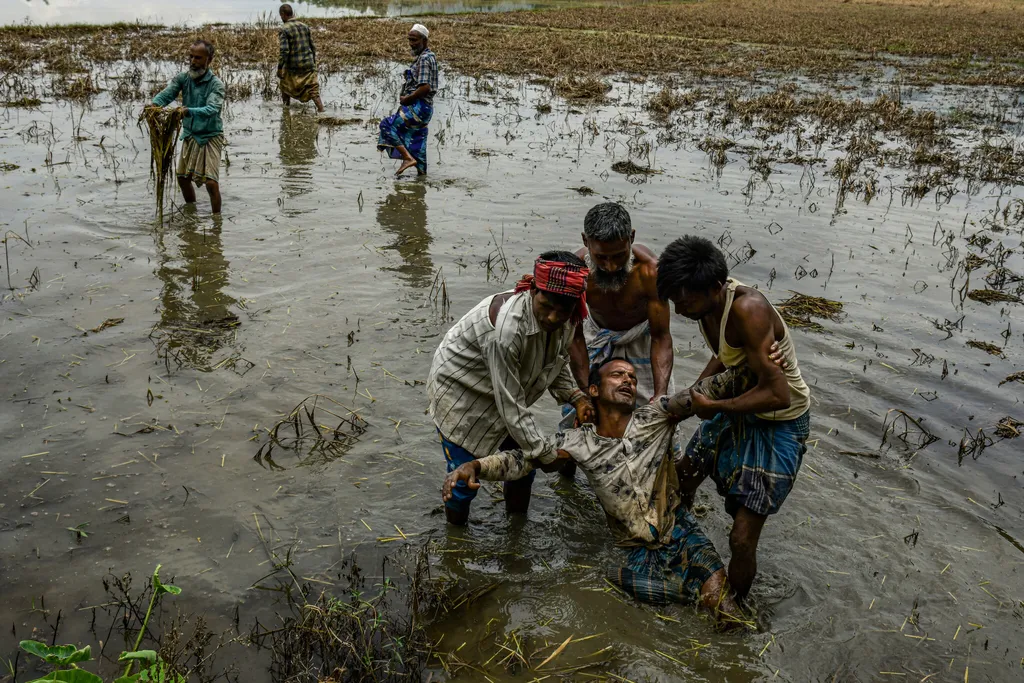
In a groundbreaking study published in *Sustainable Environment Research*, researchers have shed light on the intricate relationship between climate change and Biochemical Oxygen Demand (BOD) levels in Asian rivers, with significant implications for water quality, ecosystem health, and the agricultural sector. Led by Lailatus Siami from the Department of Environmental Engineering at Chung Yuan Christian University, the research offers a comprehensive review and bibliometric analysis of how rising temperatures, shifting precipitation patterns, and hydrological changes are influencing BOD levels across key river basins.
The study integrates observed data from 2019 to 2023 and climate projections to estimate near-term, mid-term, and long-term scenarios. The findings reveal that increased temperatures accelerate microbial activity and reduce oxygen solubility, while diminished precipitation exacerbates pollutant concentrations. This is particularly concerning for transboundary rivers such as the Mekong, Amu Darya, and Ganges, which are vital for agriculture and regional economies.
“Our analysis highlights the urgent need for adaptive strategies to mitigate the impact of climate change on water quality,” said Siami. “Continuous water quality monitoring, wastewater treatment, sustainable agricultural practices, and enhanced water governance are crucial for safeguarding aquatic ecosystems and ensuring sustainable water resource management.”
The commercial impacts for the agriculture sector are profound. Rivers with high BOD levels can lead to reduced water availability for irrigation, decreased crop yields, and increased costs for water treatment. As climate change exacerbates these issues, farmers and agricultural businesses will need to adapt to ensure food security and economic stability.
The study recommends innovative policies and international cooperation to address these challenges. “Regional case studies demonstrate the necessity of collaborative efforts to enhance water quality resilience,” Siami noted. “Proactive interventions are essential to mitigate the escalating impacts of climate change on our water resources.”
This research underscores the critical need for proactive interventions to enhance water quality resilience, safeguard aquatic ecosystems, and ensure sustainable water resource management. As climate change continues to pose significant threats, the findings from this study will shape future developments in water quality monitoring, policy-making, and agricultural practices, ultimately contributing to the achievement of Sustainable Development Goal 6 (SDG 6) – ensuring access to clean water and sanitation for all.
With the insights provided by this comprehensive review, stakeholders in the agricultural sector and beyond can better prepare for the challenges ahead, fostering a more resilient and sustainable future.