
In an era where sustainability is no longer a choice but a necessity, understanding consumer behavior towards sustainable agricultural foods is crucial. A recent study published in *Frontiers in Sustainable Food Systems* sheds light on the intricate dance between digital narratives and food technology neophobia, offering insights that could reshape how the agriculture sector markets its innovations.
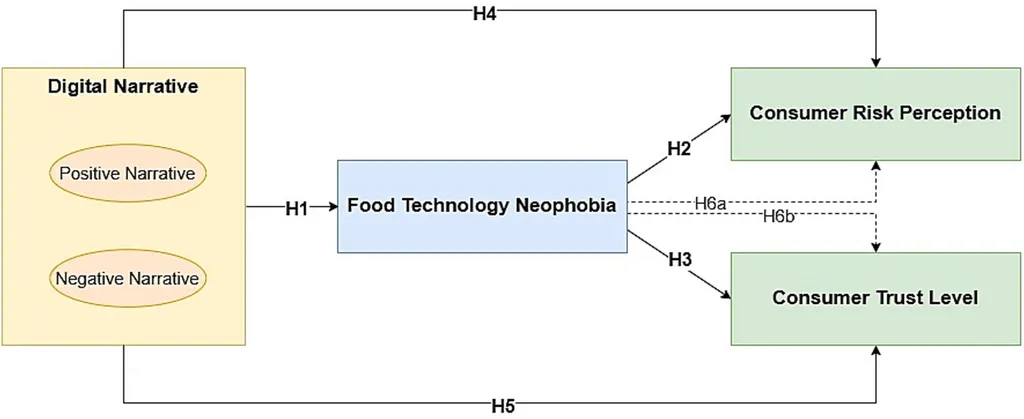
The research, led by Xueying Yu from the School of Information and Business Management at Dalian Neusoft University of Information in China, delves into the behavioral mechanisms that influence consumers’ acceptance of sustainable agricultural foods. At its core, the study explores how digital narratives—stories and information disseminated through digital platforms—can either alleviate or exacerbate food technology neophobia, a term that describes consumers’ reluctance to try new food technologies.
“Digital narratives have the power to frame our perceptions of new technologies,” Yu explains. “They can either build trust and curiosity or reinforce skepticism and fear. Understanding this dynamic is key to fostering acceptance of sustainable agricultural innovations.”
The findings suggest that the way information is presented digitally can significantly impact consumer attitudes. For instance, narratives that highlight the benefits of sustainable foods—such as reduced environmental impact and improved health—can mitigate neophobia. Conversely, narratives that emphasize risks or uncertainties can heighten it. This insight is particularly relevant for the agriculture sector, which is increasingly turning to technology to meet sustainability goals.
“For the agriculture sector, this research underscores the importance of strategic communication,” says Yu. “Companies investing in sustainable food technologies need to craft narratives that not only inform but also inspire and reassure consumers. This could be the difference between widespread adoption and market resistance.”
The commercial implications are substantial. As consumers become more environmentally conscious, the demand for sustainable agricultural products is on the rise. However, this demand is often tempered by neophobia. By leveraging digital narratives effectively, companies can bridge this gap, fostering a market environment where sustainable innovations thrive.
Looking ahead, this research could shape future developments in the field by encouraging a more nuanced approach to consumer engagement. It highlights the need for tailored communication strategies that resonate with diverse consumer segments. For the agriculture sector, this means investing in digital storytelling that is not only informative but also emotionally compelling.
As the world grapples with the challenges of climate change and food security, the insights from this study offer a beacon of hope. By understanding and addressing the behavioral mechanisms that influence consumer acceptance, the agriculture sector can pave the way for a more sustainable future. And in doing so, it can turn the tide in favor of innovative, eco-friendly food technologies that benefit both people and the planet.