
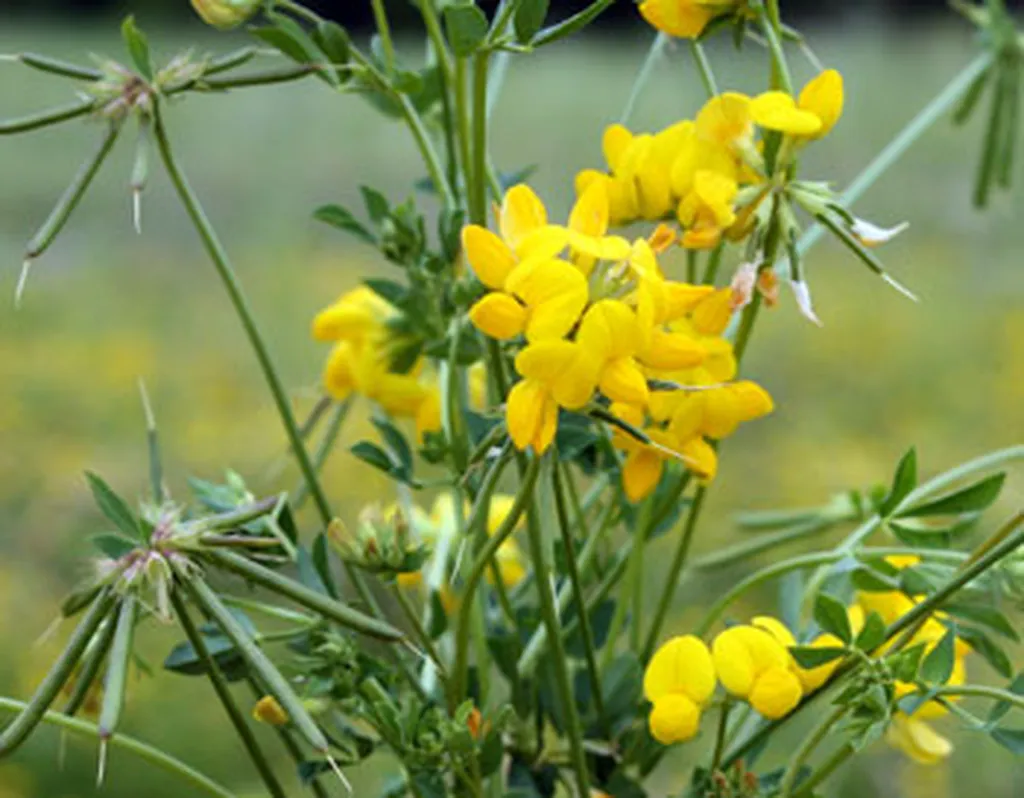
In the heart of Europe’s Hemi-boreal zone, a humble legume is making waves in the world of sustainable agriculture. Bird’s-foot trefoil (BFT), an underutilized perennial plant, is gaining traction for its resilience and eco-friendly benefits, particularly in the Baltic States of Lithuania, Latvia, and Estonia. A recent study published in *Frontiers in Plant Science* sheds light on the genetic diversity of BFT in this region, offering critical insights for farmers and conservationists alike.
The research, led by Yaqoob Sultan from the Department of Grass Breeding at the Lithuanian Research Centre for Agriculture and Forestry, highlights the importance of genetic diversity in BFT for sustainable agriculture. “Genetic diversity is the backbone of adaptability,” Sultan explains. “It allows BFT to thrive under varying climatic conditions and resist abiotic stresses, making it a valuable asset for low-input farming systems.”
BFT’s ability to fix nitrogen in the soil, enhance biodiversity, and restore pastures makes it a promising candidate for sustainable agriculture. However, until now, molecular genetic investigations of BFT in the Baltic States have been scarce, leaving a significant knowledge gap. This study aims to fill that void by synthesizing global evidence on BFT’s genetic diversity, population structure, and adaptive traits, and by assessing the applicability of findings from neighboring regions to the Baltic Hemi-boreal zone.
The research underscores the impact of ecological gradients, climatic pressures, and anthropogenic activities on population differentiation and adaptability. “Understanding these factors is crucial for developing robust forage systems and supporting productive grassland restoration,” Sultan notes. The study also emphasizes the need for localized genetic resources, tailored germplasm collection, and molecular characterization to breed ecotypes specific to the Baltic region.
The commercial implications of this research are substantial. High genetic diversity in BFT provides the adaptive foundation necessary for breeding stress-tolerant cultivars, enhancing nitrogen fixation efficiency, and maintaining ecosystem resilience under climate variability. This is particularly relevant for the Baltic States, where baseline genetic diversity data remains limited.
As the agricultural sector grapples with the challenges of climate change and sustainability goals, the findings of this study offer a roadmap for future developments. By conserving local genetic resources and breeding ecotypes tailored to the Hemi-boreal zone, farmers can develop resilient forage systems and promote efficient grassland recovery. This approach not only supports sustainable agriculture but also aligns with the European Union’s biodiversity and agriculture sustainability goals.
In the words of Sultan, “This research is a stepping stone towards a more sustainable and resilient agricultural future.” As the world continues to seek innovative solutions for sustainable farming, the humble BFT and its genetic diversity may well hold the key to unlocking new possibilities in the Baltic States and beyond.