
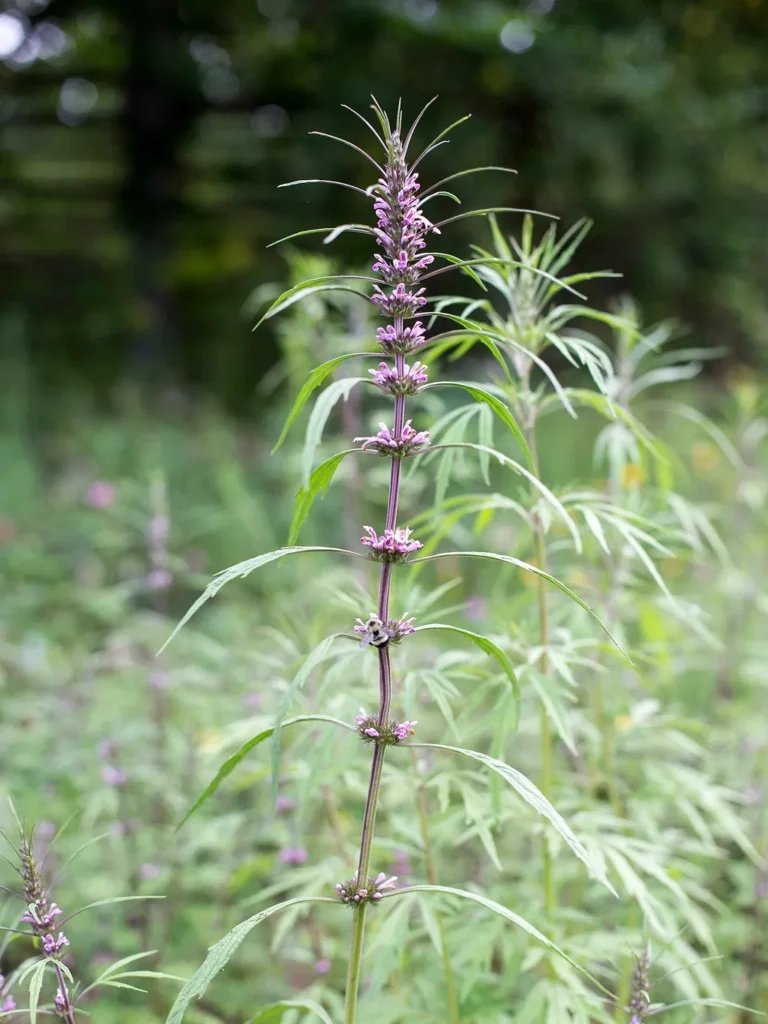
In the heart of China, a humble medicinal herb, Jasminum lanceolaria, is making waves in the world of agritech and pharmaceuticals. Researchers have recently sequenced its complete chloroplast genome, a breakthrough that could have significant implications for agriculture and medicine. The study, led by Xianglan Liang from the School of Chemistry and Chemical Engineering at Guangdong Pharmaceutical University, was published in the journal ‘Mitochondrial DNA. Part B. Resources’.
Jasminum lanceolaria, a member of the Oleaceae family, is known for its diverse medicinal applications. The complete chloroplast genome sequence, reported in this study, is a significant milestone. The genome is 163,015 base pairs long, with a GC content of 38.87%. It contains 133 genes, including 87 protein-coding genes, 38 tRNA genes, and eight rRNA genes. This genetic blueprint provides a wealth of information that could be harnessed for various applications.
One of the most exciting aspects of this research is its potential to enhance the cultivation and breeding of Jasminum lanceolaria. “Understanding the chloroplast genome can help us develop strategies for improving the plant’s yield and quality,” says Liang. This could be a game-changer for the agriculture sector, particularly for farmers and companies involved in the cultivation of medicinal plants.
The study also conducted a phylogenetic analysis, revealing that Jasminum lanceolaria is closely related to Jasminum polyanthum. This finding could facilitate the development of new hybrids with enhanced traits, opening up new avenues for commercial exploitation.
Moreover, the complete chloroplast genome sequence can serve as a valuable reference for the taxonomic identification of Jasminum lanceolaria. This could help prevent misidentification and adulteration, ensuring the authenticity and quality of products derived from this medicinal herb.
The implications of this research extend beyond agriculture and medicine. The chloroplast genome sequence can also be used to study the plant’s evolutionary history and adaptation to different environments. This could provide insights into how plants respond to climate change, a critical area of research in the face of global warming.
In the words of Liang, “This study is just the beginning. The complete chloroplast genome sequence of Jasminum lanceolaria provides a foundation for future research, and we are excited to see how it will shape the field of agritech and pharmaceuticals.”
As we look to the future, the sequencing of the Jasminum lanceolaria chloroplast genome is a testament to the power of genetic research in driving innovation and progress. It underscores the importance of investing in scientific research and highlights the potential of agritech to transform our world.