
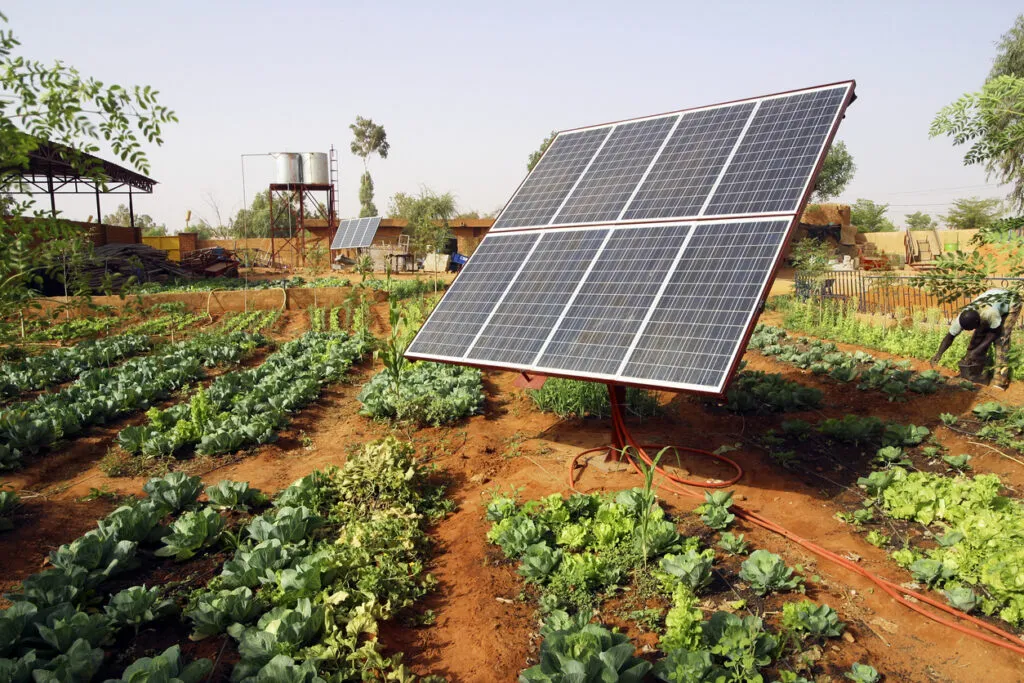
In the quest for sustainable agriculture and renewable energy, a novel approach known as agrivoltaics is gaining traction. This innovative practice combines agriculture and solar energy production on the same land, promising to boost land productivity while promoting sustainable farming and renewable energy generation. A recent review published in *Frontiers in Horticulture* delves into the microclimatic changes induced by agrivoltaics and their effects on crop performance, offering valuable insights for the agriculture sector.
Agrivoltaics creates unique microclimates beneath solar panels, which can significantly influence crop physiology, metabolism, and yield. The review, led by Manu Priya from the Cranberry Station at the University of Massachusetts-Amherst, highlights that these systems can enhance water-use efficiency, stabilize photosynthesis, and trigger beneficial metabolic adjustments. However, the responses vary widely among different crop species and are heavily dependent on regional climate conditions and panel configuration.
“Moderated light intensity and altered microclimates can have a profound impact on crops,” Priya explains. “While some species thrive under these conditions, others may experience yield penalties. This underscores the need for tailored agronomic strategies and careful crop selection within agrivoltaic designs.”
The commercial implications of these findings are substantial. As the agriculture sector seeks to adopt more sustainable practices, agrivoltaics presents a compelling opportunity to maximize land use efficiency. By integrating solar energy production with farming, agrivoltaics can provide farmers with an additional revenue stream while reducing their environmental footprint.
However, challenges remain. Initial investment costs, technological adaptation, and social and legal barriers are significant hurdles that need to be addressed. Additionally, the review identifies a critical knowledge gap in understanding the molecular and omics-level responses underlying plant adaptation to agrivoltaic environments. Filling this gap will be crucial for optimizing crop performance and ensuring the long-term success of agrivoltaic systems.
The review also emphasizes the importance of adaptive agronomic strategies and optimal crop selection tailored to agrivoltaic systems. By carefully choosing crops that are well-suited to the modified microclimates, farmers can mitigate potential yield penalties and maximize the benefits of agrivoltaics.
As the agriculture sector continues to evolve, agrivoltaics offers a promising path forward. By harnessing the power of the sun to support both food and energy production, this innovative practice has the potential to revolutionize sustainable agriculture. The insights provided by this review will be invaluable in shaping future developments in the field, ultimately contributing to a more sustainable and resilient agricultural system.
The research, published in *Frontiers in Horticulture*, was led by Manu Priya from the Cranberry Station at the University of Massachusetts-Amherst, providing a comprehensive overview of the opportunities and challenges associated with agrivoltaics. As the agriculture sector looks to the future, the integration of solar energy and farming practices holds immense promise for a more sustainable and productive agricultural landscape.