
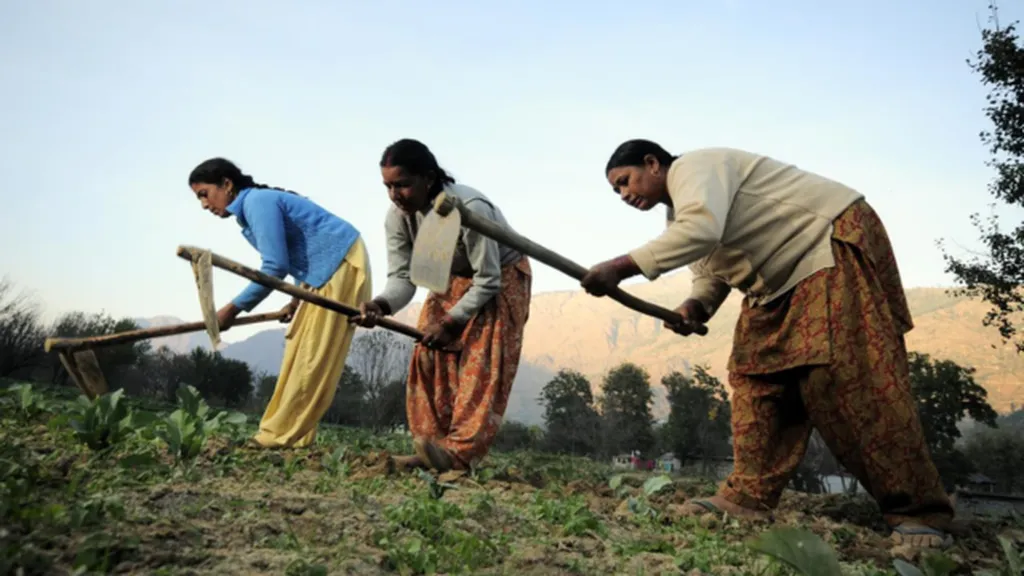
In the heart of India’s agricultural landscape, a quiet revolution is taking place, one that could reshape the future of farming and empower women in the process. A recent study published in *Frontiers in Sustainable Food Systems* sheds light on how bundling climate-smart technologies with social innovations can bolster women farmers’ resilience and economic conditions, offering a blueprint for the agriculture sector to follow.
Women farmers in South Asia face a unique set of challenges, from limited access to resources to deeply ingrained social norms that hinder their adaptive capacity. Climate change has only exacerbated these issues, making it crucial to develop and disseminate climate-smart agricultural (CSA) technologies that cater to their needs. However, as lead author Prama Mukhopadhyay from the International Rice Research Institute in New Delhi points out, “Mere technological advancement is insufficient without the support of inclusive policies and institutions.”
The study delves into four case studies from India, part of the CGIAR’s Gender Equality Initiative, which demonstrate the power of bundling technical, technological, and social innovations. These interventions, though not initially planned as innovation bundles, organically interconnected to create an enabling environment for women farmers. Social innovations, often overlooked, emerged as a vital component, fostering empowerment and resilience.
One of the key findings is the need for intentional bundling tailored to contextual requirements. As Mukhopadhyay explains, “Ad-hoc bundling revealed certain gaps, including limited involvement of male stakeholders, insufficient recognition of women’s unpaid care work, and a lack of gender responsiveness in designing climate-smart technologies.” Addressing these gaps could unlock significant commercial potential for the agriculture sector, as empowering women farmers can lead to increased productivity, improved food security, and enhanced economic growth.
The study underscores the importance of engaging multiple stakeholders and bundling various innovations to create sustainable impact. By doing so, the agriculture sector can not only mitigate the impacts of climate change but also elevate women’s economic conditions, fostering a more inclusive and resilient farming community.
As the agriculture sector looks to the future, the insights from this study could shape the development of new technologies and policies that cater to the unique needs of women farmers. By embracing a gender-responsive approach and intentionally bundling innovations, the sector can drive sustainable growth and empower millions of women, transforming the agricultural landscape in the process. The research, led by Prama Mukhopadhyay from the International Rice Research Institute in New Delhi, India, offers a compelling roadmap for achieving these goals and creating a more equitable and resilient future for all.