
In the quest for sustainable solutions to combat climate change, an often-overlooked ally has emerged from the shadows of the forest floor: mushrooms. A comprehensive review published in *Frontiers in Microbiology* highlights the pivotal role that mushroom-forming basidiomycetes could play in environmental remediation and climate change mitigation. The research, led by Samantha C. Karunarathna of the Center for Yunnan Plateau Biological Resources Protection and Utilization at Qujing Normal University, China, underscores the dual potential of these fungi in ecological resilience and economic innovation.
Basidiomycetes, a group of fungi that includes mushrooms, are nature’s unsung heroes. They enhance carbon sequestration through ectomycorrhizal (ECM) symbiosis, a partnership between fungi and plant roots. “ECM species help plants acquire carbon more efficiently and store it in the soil,” explains Karunarathna. “Forests dominated by ECM fungi can stockpile up to 70% more below-ground carbon than their non-mycorrhizal counterparts.” This finding is a game-changer for the agriculture sector, offering a natural and sustainable method to boost carbon sequestration in farmlands and forests.
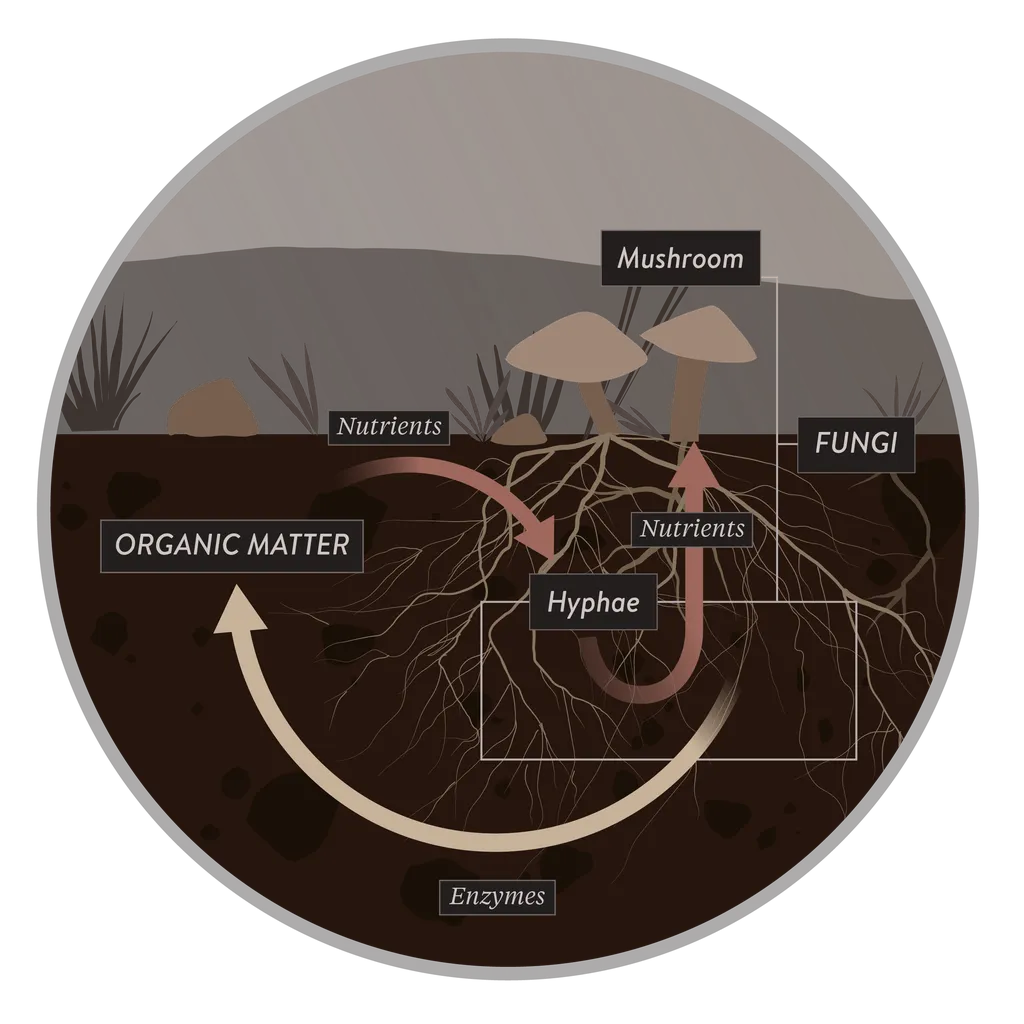
Beyond carbon storage, saprotrophic fungi—another type of basidiomycete—play a crucial role in decomposing organic matter, a process that stabilizes soil organic matter and enhances nutrient cycling. This not only improves soil health but also boosts agricultural productivity, making it a win-win for farmers and the environment.
The review also sheds light on the potential of mycoremediation, a process where fungi degrade environmental pollutants. “Basidiomycetes can break down recalcitrant contaminants like pesticides and hydrocarbons, and even immobilize heavy metals,” says Karunarathna. This opens up new avenues for cleaning up polluted sites, reducing the need for costly and often harmful chemical treatments.
But the innovations don’t stop at environmental remediation. Mycelium, the vegetative part of fungi, is being harnessed to create sustainable biomaterials. These mycelium-based materials are biodegradable and can replace plastics and synthetic foams, offering a green alternative for various industries. The global mycelium material industry is projected to exceed USD 5 billion by 2032, a testament to the growing commercialization of fungal biotechnology.
However, challenges remain. Scalability, environmental sensitivity, and economic viability are hurdles that need to be addressed. “Interdisciplinary research is key to unlocking the full potential of fungi as nature-based climate solutions,” Karunarathna emphasizes.
The implications of this research are vast. For the agriculture sector, the use of basidiomycetes could revolutionize farming practices, enhancing soil health and productivity while mitigating climate change. For industries, the development of mycelium-based biomaterials could pave the way for a more sustainable future.
As we stand at the precipice of a climate crisis, the humble mushroom offers a beacon of hope. By harnessing the power of these remarkable organisms, we can forge a path towards a more sustainable and resilient future. The research published in *Frontiers in Microbiology* by Karunarathna and her team is a significant step in that direction, highlighting the untapped potential of fungi in our fight against climate change.