
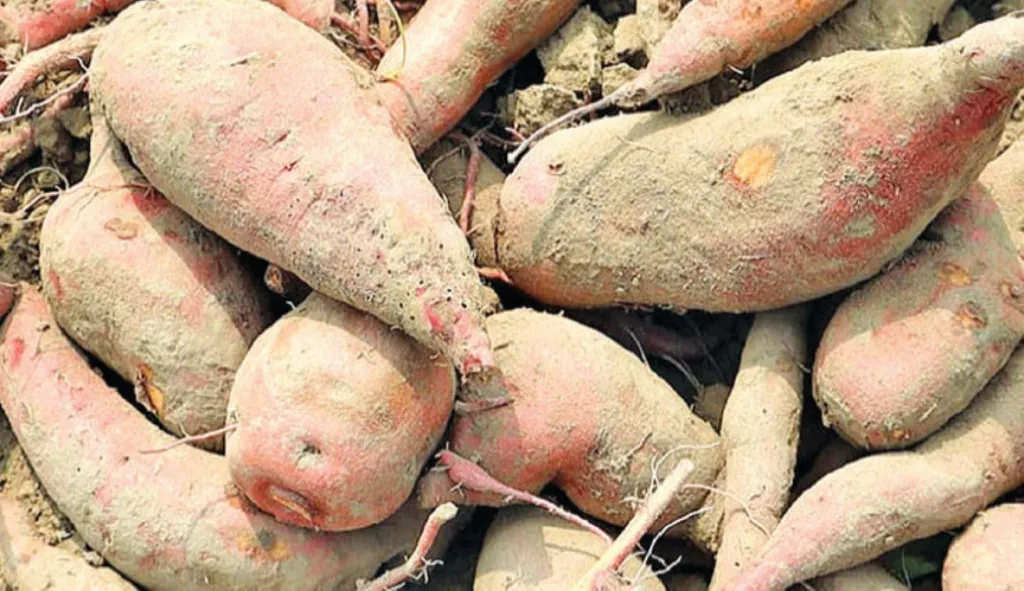
In the heart of Bangladesh, a groundbreaking study is unfolding, one that could potentially reshape the agriculture sector and bolster food security. Researchers have been delving into the in vitro performance of sweet potato germplasms, and the results are promising.
Sweet potatoes, a staple crop in many parts of the world, are not just delicious; they’re also highly nutritious. Packed with vitamins, minerals, and antioxidants, they’re a powerhouse of health benefits. But growing them efficiently and sustainably is a challenge that researchers are eager to tackle. Enter the study led by Shamim Ahmed from the Department of Biotechnology at Bangladesh Agricultural University, which was recently published in the ‘International Journal of Bio-Resource and Stress Management’.
The study focused on 10 different sweet potato germplasms, culturing them on MS media to observe their in vitro performance. The results were striking. A significant 90% of the cultures formed calli, with a remarkable 70-85% of these calli developing into complete microplants. “The rapid development of direct shoots and the differentiation of callus within just 4-7 days is a testament to the potential of these germplasms,” Ahmed noted.
But what does this mean for the agriculture sector? The implications are substantial. The ability to regenerate sweet potato plants in vitro, quickly and efficiently, could revolutionize the way we approach sweet potato cultivation. It opens doors to large-scale propagation of elite germplasms, ensuring a steady supply of high-quality planting material. This could boost yields, enhance food security, and even provide economic opportunities for farmers.
The study also revealed significant variations among the germplasms in terms of leaf area, internode length, and growth rates. This diversity is a goldmine for breeders, offering a wide range of traits to work with. “The differences we observed among the germplasms are crucial,” Ahmed explained. “They provide a foundation for selecting and breeding sweet potato varieties that are not just high-yielding, but also resilient and adaptable.”
The potential for future developments is immense. With further research, it may be possible to identify and exploit specific genes responsible for desirable traits, paving the way for precision breeding. Moreover, the in vitro regeneration techniques could be combined with other biotechnological tools, such as genetic modification, to develop sweet potato varieties that are resistant to pests, diseases, and even climate change.
In the words of Shamim Ahmed, “This is just the beginning. The insights we’ve gained from this study could shape the future of sweet potato cultivation, not just in Bangladesh, but globally.” As we stand on the brink of a new agricultural revolution, one thing is clear: the humble sweet potato is set to play a starring role.