
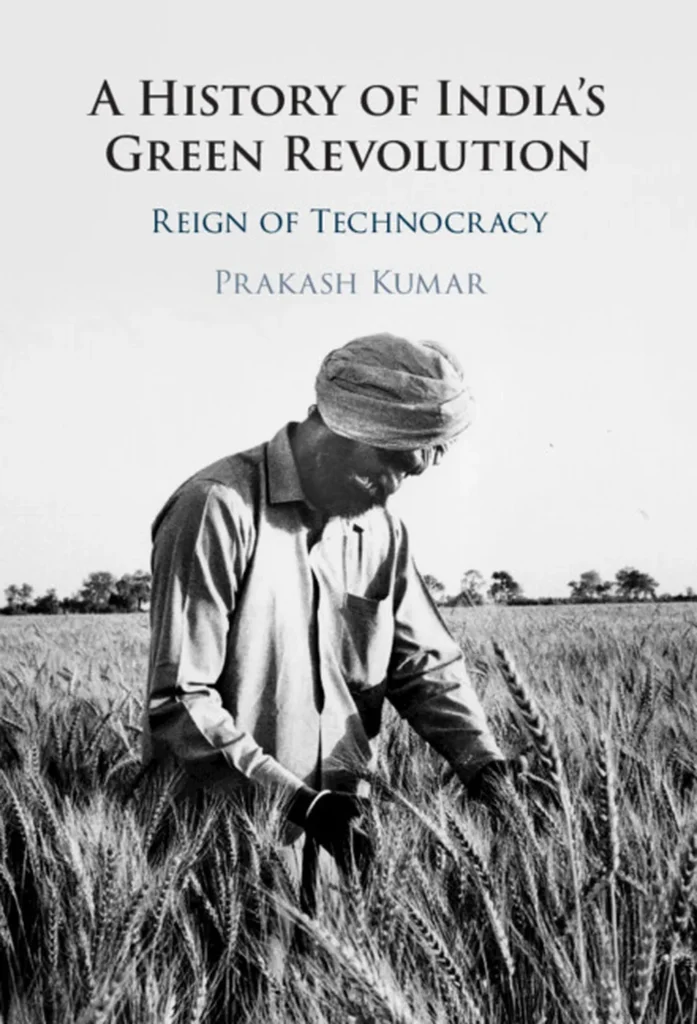
In the vast landscape of India’s agricultural history, the Green Revolution stands as a towering figure, a testament to the power of technological innovation in feeding a burgeoning nation. Yet, as with any monumental shift, the reality is far more nuanced than the popular narrative suggests. A recent paper published in the *International Journal of Bio-Resource and Stress Management* by S. K. Das of the Department of Veterinary and Animal Husbandry Extension at Central Agricultural University, sheds light on the less discussed aspects of this agricultural upheaval, offering a critical perspective that could shape the future of India’s farming practices.
The Green Revolution, born out of the necessity to combat consecutive famines in the 1940s, was a bold attempt to transform traditional, rain-fed agriculture into a high-yield, irrigated system. The strategy, based on the introduction of high-yielding varieties of seeds, increased use of fertilizers and pesticides, and expanded irrigation, indeed led to a monumental increase in food grain production. However, Das argues that this increase in production is not the panacea for all rural social problems.
“The mere increase in production is not the solution,” Das asserts. “We need a reform in agricultural tax policy, land ownership, credit service, structure and function of society, and above all, a desirable change in the mind-set of people, policy makers, and politicians.”
The paper highlights the undesirable consequences of the Green Revolution, including environmental degradation, social inequity, and economic disparities. These issues are particularly relevant today as India stands at the precipice of a second Green Revolution, one that promises to harness the power of genetically modified crops, nanotechnology, biotechnology, and other cutting-edge innovations.
The commercial impacts of these potential advancements are substantial. The agricultural technology sector is poised for significant growth, with investments in agri-tech startups reaching record highs. However, the lessons from the past serve as a cautionary tale. The successful implementation of these technologies will require a holistic approach that addresses not just production but also the socio-economic fabric of rural India.
Das’s research underscores the need for a more inclusive and sustainable approach to agricultural development. “No technology, innovation, practice, and idea can bring prosperity in rural India without a reform in the existing systems,” Das warns. This perspective is crucial for stakeholders in the agriculture sector, from policymakers to farmers, as they navigate the complexities of modernizing India’s agricultural practices.
As India looks to the future, the lessons from the Green Revolution serve as a guiding light, illuminating the path towards a more sustainable and equitable agricultural system. The research by Das is a timely reminder that the key to feeding a growing population lies not just in technological innovation but also in addressing the underlying social and economic challenges.