
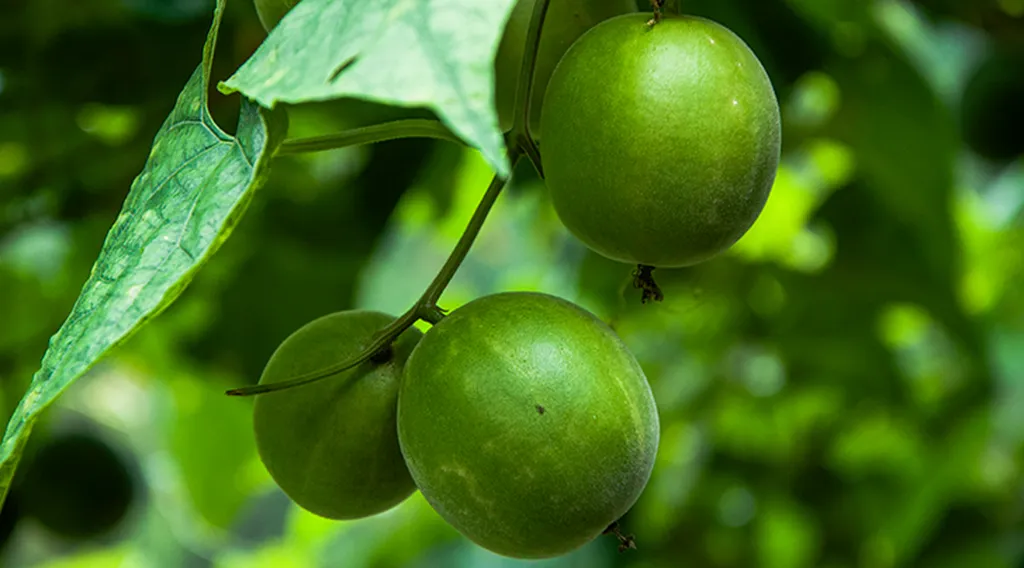
In the heart of China, a humble fruit known as luo han guo, or Siraitia grosvenorii, is gaining attention not just for its sweet, refreshing taste, but also for its potential to unlock new secrets in the world of plant genetics. Researchers have recently made strides in understanding the role of DNA methylation and demethylation in this unique fruit, paving the way for innovative advancements in agriculture and plant biotechnology.
DNA methylation and demethylation are crucial processes in plant development, fruit ripening, and the accumulation of valuable secondary metabolites. In a study published in *Frontiers in Plant Science*, a team led by Yimei Zang from the Biomedicine College at Beijing City University identified and characterized six cytosine-5 DNA methyltransferases (C5-MTase) and four DNA demethylases (dMTase) genes in the Siraitia grosvenorii genome. This discovery sheds light on the intricate mechanisms governing the growth and maturation of this economically important fruit.
The researchers conducted a phylogenetic analysis, revealing that the six SgC5-MTase genes were divided into four categories: SgMET1, SgCMTs, SgDRMs, and SgDNMT2. The four SgdMTase genes were grouped into SgROS1, SgDML3, and SgDME subfamilies. This classification provides a foundation for understanding the functional roles of these genes in the plant’s development.
One of the most intriguing findings was the differential expression of these genes during the vegetative and reproductive stages of Siraitia grosvenorii. “We observed that the expression of SgdMTase genes was upregulated during fruit ripening, while SgCMT2/3 genes were downregulated,” explained Zang. This suggests a potential increase in demethylation, which aligns with the accumulation pattern of mogroside V, a valuable secondary metabolite known for its sweetness and potential health benefits.
The implications of this research extend beyond the laboratory, offering promising prospects for the agriculture sector. By understanding the genetic mechanisms behind the accumulation of mogrosides, researchers can potentially develop strategies to enhance the yield and quality of Siraitia grosvenorii. This could have significant commercial impacts, as the demand for natural sweeteners and health-promoting compounds continues to grow.
Moreover, the study’s findings could facilitate future epigenetic studies in S. grosvenorii and other plant species. “Our results suggest a role for DNA methylation modifications in the growth, development, maturation, and accumulation of mogrosides,” Zang noted. This knowledge could open new avenues for crop improvement, enabling farmers to produce more resilient and high-yielding plants.
As the world grapples with the challenges of climate change and food security, research like this offers a glimmer of hope. By unraveling the genetic secrets of plants like Siraitia grosvenorii, scientists are paving the way for a more sustainable and productive future in agriculture. The journey has just begun, but the potential is immense, and the possibilities are as sweet as the luo han guo fruit itself.