
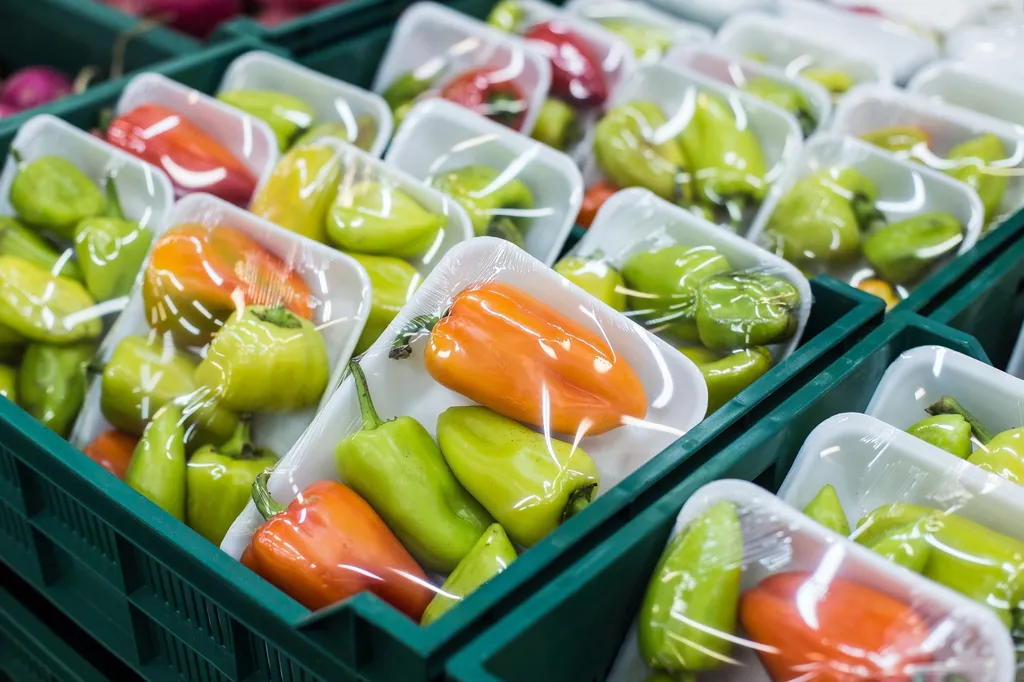
In the quest to reduce food waste and extend the shelf life of fruits, researchers are turning to innovative packaging technologies that not only preserve quality but also monitor freshness throughout the supply chain. A recent review published in *Frontiers in Food Science and Technology* highlights the latest advancements in active, edible, biodegradable, and smart packaging, offering promising solutions for the agriculture sector.
Post-harvest losses due to physiological metabolism and unfavorable environmental conditions have long plagued the fruit industry, leading to significant waste and economic losses. Traditional packaging methods often fall short in addressing these challenges. However, the integration of active, edible, and smart packaging technologies is proving to be a game-changer.
Active packaging, for instance, enhances fruit preservation by incorporating ethylene scavengers, antifungal agents, and moisture regulators. These technologies work in tandem to slow down the ripening process and inhibit fungal growth, thereby extending the shelf life of fruits. “Active packaging technologies are particularly effective in maintaining the freshness and quality of fruits by creating a protective barrier against external factors,” explains lead author Wei Chuen Chan from the School of Foundation Studies at Xiamen University Malaysia.
Edible and biodegradable packaging, made from natural polymers such as polysaccharides, proteins, and lipids, offer an eco-friendly alternative to conventional plastic packaging. These materials not only prevent physical and mechanical damage but also serve as a medium for adding antimicrobials and antioxidants. This dual functionality helps improve the overall quality and freshness of the fruits while reducing environmental impact.
Smart packaging takes this a step further by integrating biosensors, pH indicators, and gas indicators. These innovative tools allow for real-time monitoring of fruit quality throughout the supply chain. “Smart packaging technologies provide valuable data that can help stakeholders make informed decisions, ultimately reducing waste and improving efficiency,” Chan notes.
The review also highlights the growing trend of green and hybrid packaging, which combines biodegradable materials with active and smart functionalities. This synergistic approach not only preserves fruit quality but also supports environmental sustainability. “The future of packaging lies in the integration of these technologies to create multifunctional solutions that address both quality and environmental concerns,” Chan adds.
The commercial implications of these advancements are substantial. For the agriculture sector, adopting these innovative packaging technologies can lead to reduced post-harvest losses, extended shelf life, and improved marketability of fruits. Moreover, the shift towards eco-friendly packaging aligns with consumer demand for sustainable and responsible practices.
As the industry continues to evolve, the integration of active, edible, biodegradable, and smart packaging technologies is expected to play a pivotal role in shaping the future of fruit preservation and supply chain management. The research published in *Frontiers in Food Science and Technology* provides a comprehensive overview of the current state and future potential of these technologies, offering valuable insights for stakeholders in the agriculture sector.