
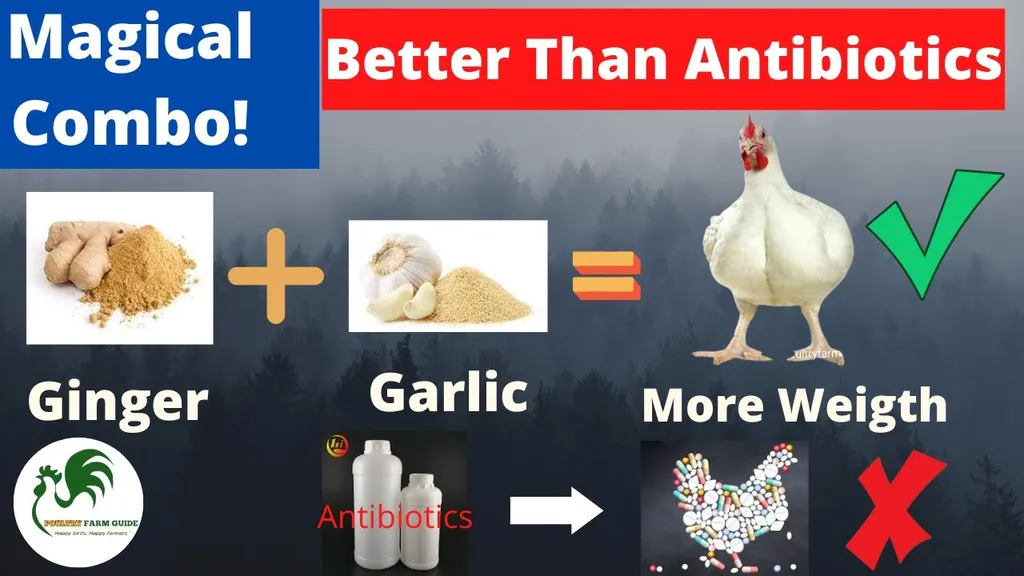
In the quest to enhance broiler growth and health, researchers have turned to an unexpected ally: ginger. A recent study published in *Poultry Science* explores the effects of ginger ethanol extract (GEE) on broiler performance, antioxidant capacity, and gut microbiota, offering promising insights for the agriculture sector.
Ginger, a common kitchen staple, has long been recognized for its medicinal properties. However, its potential in animal nutrition remains underexplored. The study, led by Kaige Yang from the College of Animal Science and Technology at Henan Agricultural University and the College of Animal Science at South China Agricultural University, aimed to fill this gap. The researchers optimized the extraction process of GEE and evaluated its impact on broilers.
The optimal extraction conditions yielded a GEE rich in 6-gingerol, a bioactive compound known for its antioxidant and anti-inflammatory properties. The study involved 240 one-day-old broilers, divided into four groups with varying concentrations of GEE supplementation: 0%, 0.1%, 0.2%, and 0.3%. The feeding trial lasted for 42 days, during which the researchers monitored growth performance, antioxidant capacity, and intestinal microbiota.
The results were promising. “We found that 0.1% GEE significantly increased final body weight, average daily gain, and average daily feed intake by day 42,” said Yang. This suggests that GEE can enhance growth performance in broilers. Moreover, the study found that 0.1% GEE improved crude protein and phosphorus metabolism, while 0.3% GEE improved phosphorus metabolism. This could have significant implications for feed efficiency and nutrient utilization in broiler production.
The study also delved into the antioxidant capacity of GEE. “We observed that 0.1% GEE significantly decreased ALT and AST levels, increased serum CAT and liver SOD activity,” Yang explained. This indicates that GEE enhances antioxidant capacity and liver protection function in broilers. The researchers also noted improvements in meat quality, with 0.2% GEE improving cooked meat rate, and 0.3% GEE improving meat pH and color.
The impact of GEE on gut microbiota was another key finding. The study reported a significant increase in Firmicutes and Faecalibacterium abundance, while a decrease in Bacteroidota in the 0.1% GEE group. This suggests that GEE can modulate gut microbiota, which is crucial for broiler health and growth.
The commercial implications of this research are substantial. As the global demand for poultry meat continues to rise, so does the need for sustainable and efficient broiler production. The use of natural feed additives like GEE could offer a viable solution, enhancing growth performance, meat quality, and overall health of broilers. This could lead to increased productivity and profitability for poultry farmers, while also promoting sustainable and environmentally friendly farming practices.
This study opens up new avenues for research and development in the field of animal nutrition. As Yang noted, “Our findings provide a basis for further exploration of the potential of ginger ethanol extract in animal nutrition.” Future research could focus on optimizing the use of GEE in different farming systems and exploring its potential in other livestock species. The integration of natural feed additives like GEE into broiler diets could be a game-changer, paving the way for more sustainable and efficient poultry production.