
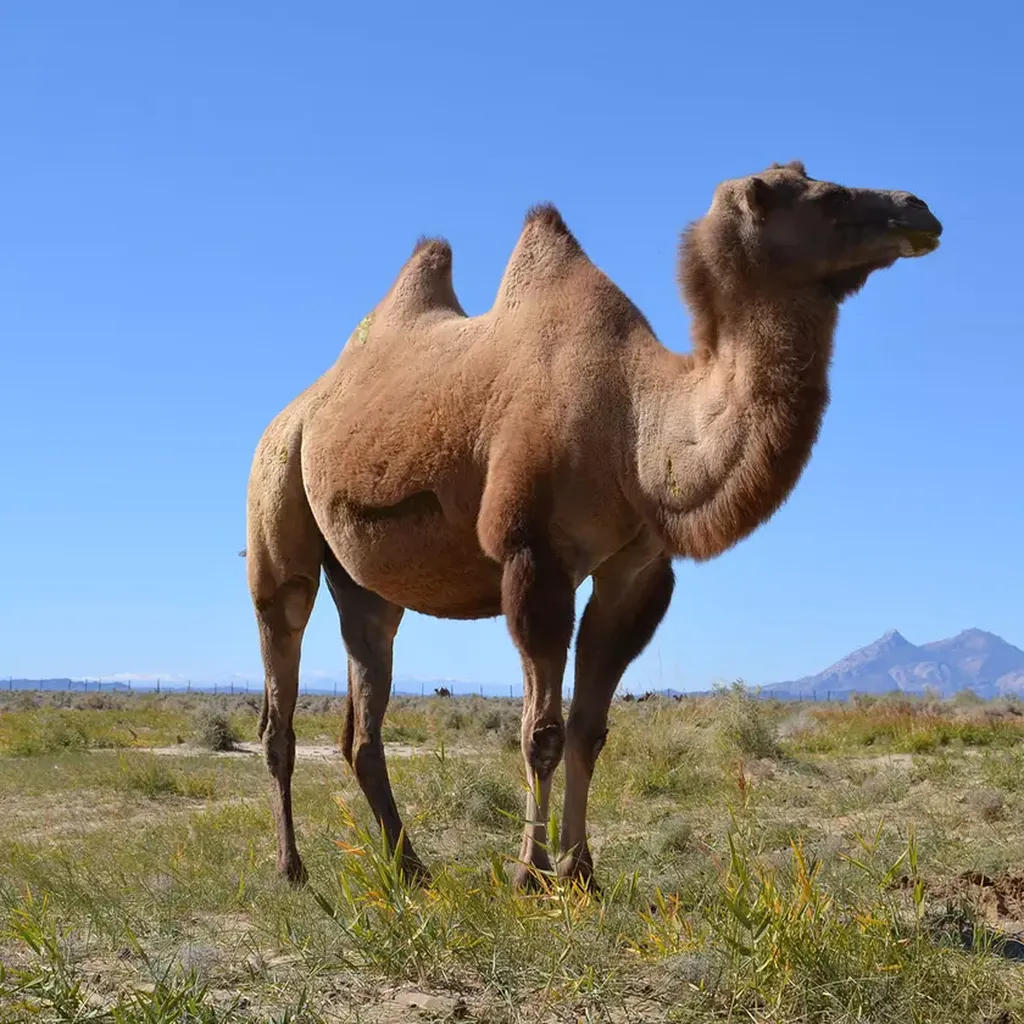
In the vast landscapes of Inner Mongolia, the Bactrian camel has long been a symbol of resilience and adaptability. Now, a groundbreaking study published in *Frontiers in Physiology* is shedding new light on the developmental dynamics of the longissimus dorsi muscle in these remarkable creatures, with implications that could reshape the agriculture sector.
The research, led by Baojun De of the College of Life Sciences at Inner Mongolia Agricultural University, employed single-nucleus RNA sequencing (snRNA-seq) to dissect the cellular composition and intercellular communication mechanisms of the longissimus dorsi muscle in both juvenile and adult Bactrian camels. This muscle, prized for its biological and economic value, has remained something of a mystery until now.
“Understanding the cellular heterogeneity and lineage differentiation patterns of this muscle tissue is crucial for the precise regulation of meat quality traits and the genetic improvement of the breed,” De explained. The study identified 14 distinct cell clusters, revealing significant differences in cellular composition between the age groups. Juvenile camels were found to be enriched with proliferative cell populations such as muscle satellite cells (MuSCs) and fibroblast-like progenitor cells (FAPs), while adult camels were dominated by mature type IIX/IIA fast-twitch muscle fibers.
One of the most intriguing findings was the bidirectional differentiation potential of MuSCs, which can develop into either type I slow-twitch muscle fibers or type IIA/IIX fast-twitch muscle fibers. The study also pinpointed the PCDH7 gene as a promoter of myogenic differentiation, a discovery that could have significant implications for meat quality improvement.
The research also characterized four FAP subpopulations, with the MME+ FAP subpopulation being closely associated with intramyocellular fat (IMF) deposition. This finding could be particularly valuable for the agriculture sector, as IMF is a key determinant of meat quality and flavor.
The study’s construction of a single-cell atlas and intercellular communication network of the Bactrian camel longissimus dorsi muscle marks a significant milestone in the field. “These findings not only provide a theoretical basis for the precise improvement of camel meat quality but also lay the groundwork for in-depth investigations into the adaptive evolutionary mechanisms of camel skeletal muscle,” De said.
The implications of this research extend far beyond the realm of camel husbandry. The insights gained could potentially be applied to other livestock species, paving the way for more targeted and effective breeding programs. Moreover, the study’s focus on single-cell analysis and intercellular communication could inspire similar investigations in other areas of agricultural research, from crop science to animal health.
As the agriculture sector continues to grapple with the challenges of climate change, resource scarcity, and shifting consumer demands, studies like this one offer a beacon of hope. By unraveling the complex biological mechanisms that underpin meat quality and muscle development, researchers are equipping farmers and breeders with the tools they need to adapt and thrive in an ever-changing world.
In the words of Baojun De, “This is just the beginning. The future of agriculture lies in our ability to understand and harness the power of biology at the most fundamental levels.” With studies like this one, that future is looking increasingly bright.