
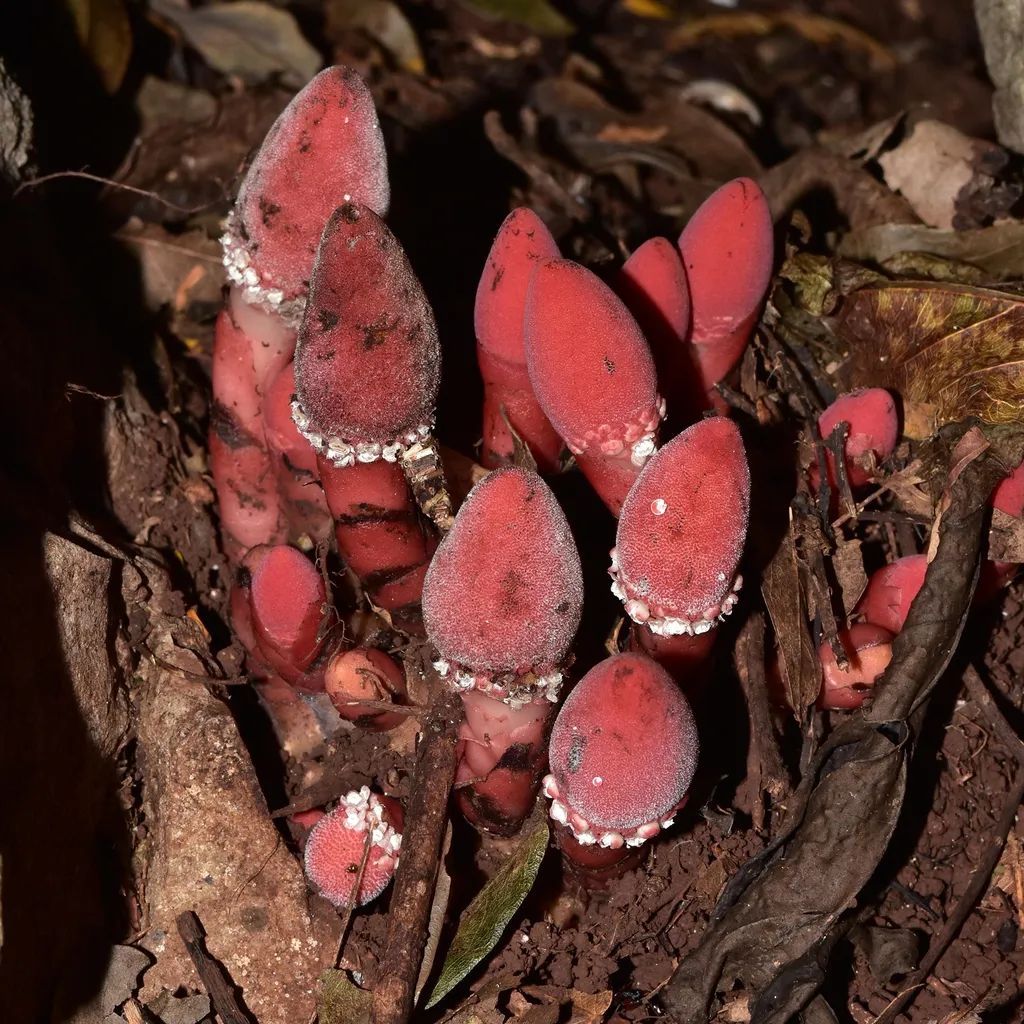
In the intricate world of plant interactions, parasitic plants have long been a thorn in the side of agriculture, causing significant crop losses and challenging farmers worldwide. A recent review published in *Frontiers in Plant Science* sheds new light on the molecular dynamics between parasitic plants and their hosts, offering insights that could reshape our understanding of plant parasitism and potentially lead to innovative agricultural solutions.
Parasitic plants like witchweeds (Striga spp.) and broomrapes (Orobanche and Phelipanche spp.) attach to their hosts using a specialized structure called a haustorium. This haustorium not only facilitates nutrient transfer but also allows for the exchange of various molecules, including pathogens, herbicides, RNAs, and proteins. The review, led by Yuchao Chen from the Agricultural Biotechnology Center at the Ningxia Academy of Agriculture and Forestry Sciences, summarizes existing knowledge on these molecular translocations and their implications.
“Understanding the molecular exchange between parasitic plants and their hosts is crucial for developing effective strategies to control these pests,” Chen explains. The review highlights how these translocations can influence the health and productivity of crops, providing a foundation for future research aimed at mitigating the impact of parasitic plants on agriculture.
One of the most intriguing aspects of this research is the phenomenon of horizontal gene transfer (HGT) between parasitic plants and their hosts. This transfer is particularly evident in the mitochondrial and nuclear genomes, with some transgenes assumed to have functional roles in their recipient species. This discovery offers new insights into the evolution of parasitic plants and could pave the way for innovative approaches to plant breeding and pest management.
The commercial implications of this research are substantial. By understanding the molecular mechanisms behind plant parasitism, agricultural scientists can develop targeted interventions to protect crops from parasitic infestations. This could lead to the creation of more resilient crop varieties, reducing the need for chemical herbicides and promoting sustainable farming practices.
As the review points out, the significance of parasitic plant research extends beyond immediate agricultural applications. It also provides a deeper understanding of plant evolution and the complex interactions that occur in natural ecosystems. Future research technologies, such as advanced genomic and proteomic tools, will be instrumental in advancing our knowledge in this field.
In summary, the review by Chen and colleagues offers a comprehensive overview of molecular translocation between parasitic plants and their hosts, highlighting the potential for innovative solutions to agricultural challenges. As we continue to unravel the complexities of plant parasitism, the insights gained from this research will be invaluable in shaping the future of agriculture and plant science.