
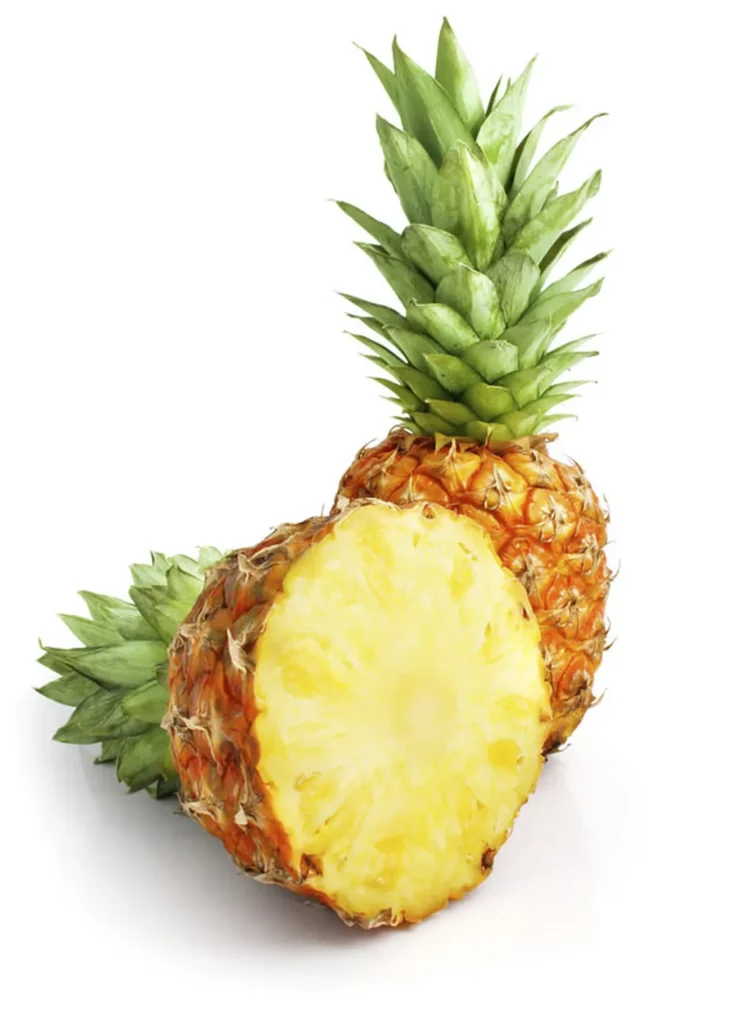
In the world of tropical fruits, pineapple stands out for its vibrant flavor and distinctive aroma, a characteristic that has captivated consumers and driven demand. Now, a team of researchers led by Wenxin Xu from the Sanya Institute of Breeding and Multiplication has unraveled some of the genetic secrets behind this beloved fruit’s scent, potentially paving the way for improved varieties and enhanced commercial opportunities.
The study, published in *Frontiers in Plant Science*, focuses on the carboxylesterase (CXE) gene family, enzymes known for their role in breaking down volatile esters—the compounds responsible for the fruity, sweet, and floral notes that make pineapple so appealing. By conducting a comprehensive genome-wide analysis, the researchers identified 20 CXE genes in pineapple, two of which, AcCXE4 and AcCXE7, emerged as key players in regulating aroma accumulation.
“These genes act as negative regulators, meaning their expression is inversely correlated with the intensity of the pineapple’s aroma,” explained Xu. “Understanding their function opens up new avenues for breeding programs aimed at enhancing fruit quality and consumer appeal.”
The research also revealed that the pineapple CXE family has expanded primarily through tandem and large segmental duplications, suggesting a evolutionary adaptation to optimize aroma production. Comparative genomics further highlighted the similarities between pineapple CXEs and those in other fruits like tomato, strawberry, and pear, indicating a conserved role in ester metabolism across different species.
One of the most intriguing findings was the divergent gene structure and motif architecture of AcCXE13 and AcCXE20, which sets them apart from other CXE genes in pineapple. This divergence hints at specialized functions, potentially offering new targets for genetic manipulation to fine-tune aroma profiles.
The commercial implications of this research are significant. By identifying the genetic underpinnings of pineapple aroma, breeders can develop varieties with more consistent and intense flavor profiles, meeting the demands of a discerning global market. “This work provides a roadmap for molecular breeding efforts aimed at improving fruit quality,” said Xu. “It’s not just about making pineapples sweeter or juicier; it’s about enhancing the sensory experience that consumers love.”
Moreover, the insights gained from this study could extend beyond pineapple, offering valuable clues for improving aroma in other fruits. The cross-species comparisons suggest that similar mechanisms may be at play, potentially accelerating research in other crops.
As the agriculture sector continues to embrace precision breeding and genetic engineering, studies like this one are crucial. They provide the foundational knowledge needed to develop targeted strategies for crop improvement, ultimately benefiting growers, processors, and consumers alike. With the CXE gene family now characterized in pineapple, the stage is set for innovative approaches to aroma enhancement, promising a future where every bite of pineapple delivers the perfect balance of sweetness and fragrance.