
In the vast and untapped world of microbial diversity, a team of researchers led by Julieta de las Mercedes Castillo has uncovered a treasure trove of enzymes with significant potential for industrial applications. Their study, published in *Anais da Academia Brasileira de Ciências*, focused on bioprospecting for bacteria capable of producing glycoside hydrolases, a diverse group of enzymes that act on various α-glucans. These enzymes are crucial in breaking down complex carbohydrates, a process with wide-ranging implications for industries such as food, pharmaceuticals, and detergents.
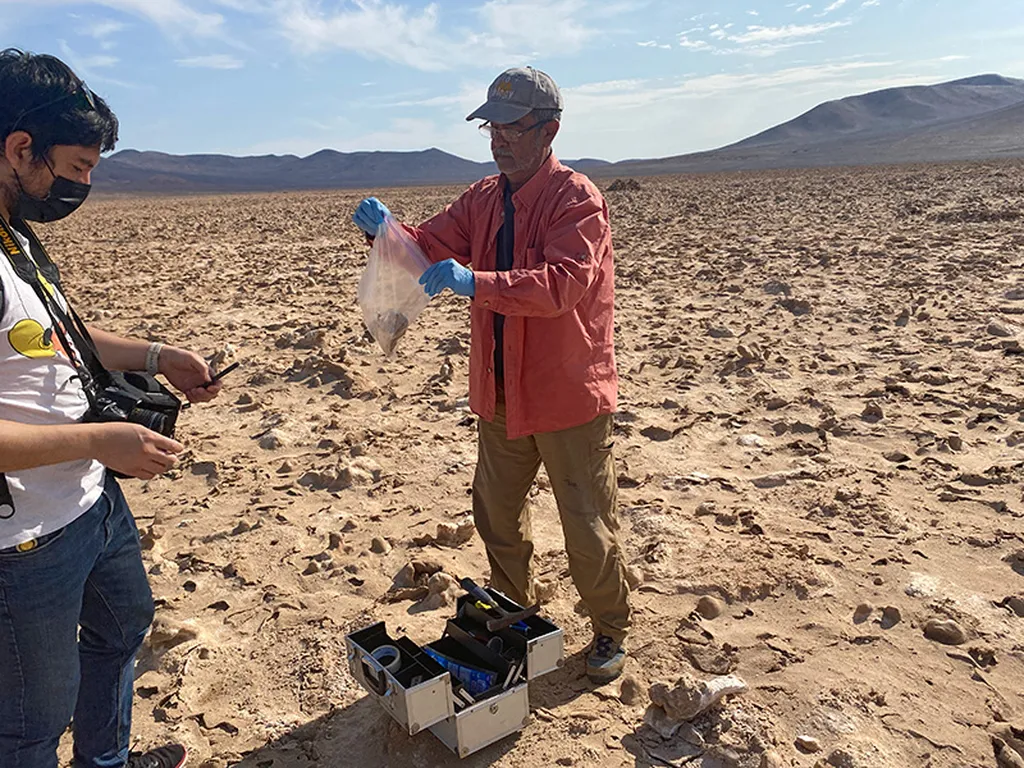
The research team collected samples from diverse niches across Argentina, including environmental and water sources, starchy and non-starchy plants, and agricultural soils. From these samples, they isolated 164 bacterial strains capable of producing glycoside hydrolases. Notably, 27 of these isolates exhibited optimal growth at a highly alkaline pH of 10, a characteristic that could be particularly valuable in industrial processes requiring extreme conditions.
“We were particularly excited about the alkalophilic strains,” Castillo said. “Their ability to thrive in harsh conditions makes them ideal candidates for industrial applications where traditional enzymes might falter.”
The isolated strains were classified based on the specific glycoside hydrolase they secreted, including type I or II pullulanases, α-, β- and α/β-cyclodextrin glycosyltransferases, five categories of maltooligosaccharide-forming amylases, and α-cyclomaltodextrinase. Molecular identification through 16S rRNA gene sequencing revealed that the genus Bacillus was the primary source of these glycoside hydrolase-producing bacteria.
The potential commercial impacts of this research are substantial. Glycoside hydrolases are already used in various industrial processes, such as starch modification in the food industry, production of cyclodextrins for pharmaceutical applications, and as additives in detergents. The discovery of new, robust enzymes could lead to more efficient and cost-effective processes, benefiting the agriculture sector and beyond.
“These enzymes have the potential to revolutionize industrial processes,” Castillo explained. “By improving the efficiency and reducing the cost of starch modification and other processes, we can make significant strides in various industries.”
The research provides a valuable source of native bacterial strains that produce glycoside hydrolases with diverse catalytic activities. As the demand for sustainable and efficient industrial processes grows, the discovery of these enzymes could pave the way for innovative solutions in the agriculture sector and other industries.
The study, led by Julieta de las Mercedes Castillo, was published in *Anais da Academia Brasileira de Ciências*, highlighting the importance of bioprospecting in the discovery of novel enzymes with biotechnological applications. This research not only expands our understanding of microbial diversity but also opens up new avenues for industrial innovation and commercialization.