
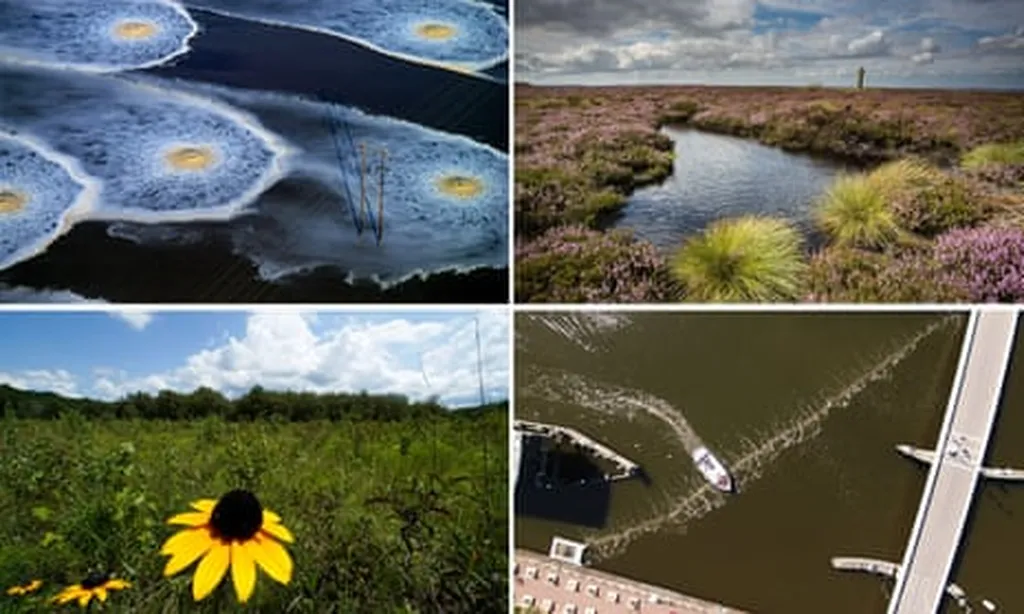
In the ongoing battle against invasive plant species, a new study published in the journal ‘Plants’ offers a glimmer of hope for farmers and conservationists alike. The research, led by Fa-Zhao Qi of the Liaoning Key Laboratory for Biological Invasions and Global Changes at Shenyang Agricultural University, suggests that biodiversity might be our best defense against invasive plants like *Solanum rostratum*, a noxious weed that thrives in infertile habitats.
The study, conducted in the field, tested the relationship between the relative growth performance of *S. rostratum* and the richness of resident non-invasive species. The findings were clear: as the number of non-invasive species increased, the relative aboveground biomass, coverage, specific leaf area, and photosynthetic rate of *S. rostratum* decreased. “Our findings indicate that higher resident species richness is fundamental to resist invasion of alien *S. rostratum*,” Qi stated.
This is a significant discovery for the agriculture sector, where invasive species can cause substantial economic losses. By promoting biodiversity, farmers may be able to create a natural barrier against invasive plants, reducing the need for costly herbicides and manual removal. “This study suggests the importance of conservation of biodiversity in preventing biological invasions,” Qi added.
The research also found that soil available resources exerted limited effects on the invasion resistance, meaning that even in less fertile soils, biodiversity can still play a crucial role in preventing invasions. This is particularly relevant for farmers working with marginal lands, where invasive species can be a persistent problem.
The study’s findings could shape future developments in the field of invasive species management. By focusing on promoting biodiversity, farmers and conservationists may be able to create more resilient ecosystems that are better equipped to resist invasions. This approach could also have positive impacts on overall ecosystem health, as biodiversity is known to support a wide range of ecological processes.
In conclusion, this research offers a promising avenue for managing invasive plant species. By harnessing the power of biodiversity, we may be able to create more sustainable and resilient agricultural systems. As Qi and colleagues continue to explore this topic, their work could have significant implications for the future of invasive species management and agricultural sustainability.