
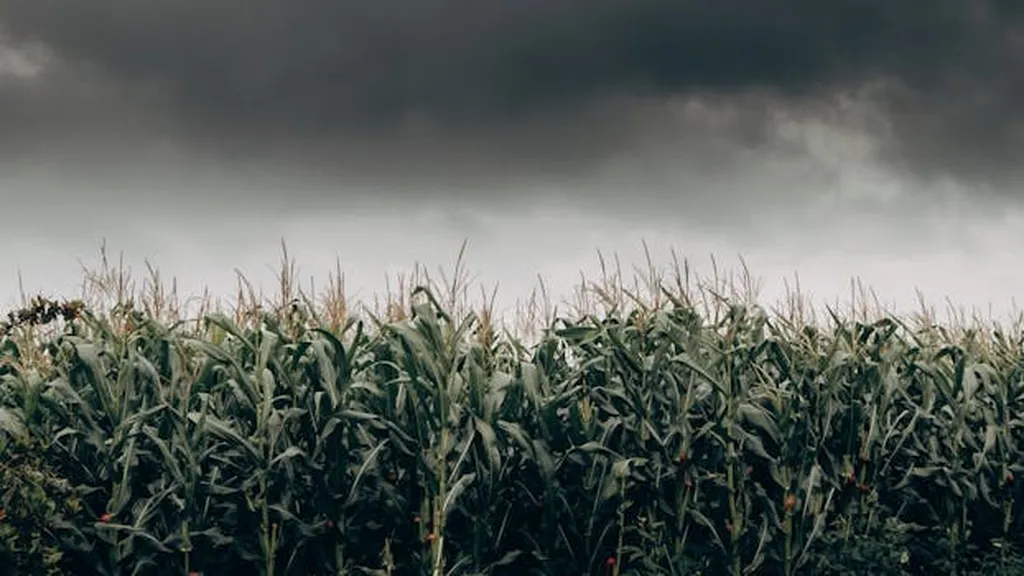
In the heart of Egypt, a team of researchers is unlocking the genetic secrets of Zea mexicana, a wild relative of maize, with the potential to revolutionize the agricultural sector. The study, led by K. Radwan of the Agricultural Genetic Engineering Research Institute (AGERI) and the National Biotechnology Network of Expertise, ASRT, Egypt, delves into the genetic diversity of 16 Zea mexicana populations using advanced molecular markers.
The research, published in the Journal of Bioscience and Applied Research, employs Random Amplified Polymorphic DNA (RAPD) and Amplified Fragment Length Polymorphism (AFLP) markers to analyze the genetic makeup of these populations. The findings are promising, with AFLP markers revealing a higher degree of polymorphism (96.7%) compared to RAPD markers (72.3%). This high variability is a goldmine for breeders seeking to enhance maize’s genetic diversity.
“These markers are like a treasure map,” Radwan explains. “They guide us to the genetic riches hidden within Zea mexicana, which can be used to improve maize’s resistance to diseases, pests, and environmental stresses.”
The study’s results are not just academic; they have significant commercial implications. By understanding and utilizing the genetic diversity of Zea mexicana, breeders can develop maize varieties that are more resilient and productive. This could lead to increased yields, improved food security, and enhanced economic opportunities for farmers.
The research also sheds light on the population structure of Zea mexicana, revealing five main clusters. This information is crucial for conservation efforts and breeding strategies. As Radwan puts it, “Conserving genetic diversity is like investing in a bank. The more diverse our genetic resources, the more options we have for the future.”
The study’s findings could shape future developments in the field of maize breeding. By harnessing the power of molecular markers, breeders can make more informed decisions, leading to more efficient and effective breeding programs. This could pave the way for a new era of maize improvement, benefiting farmers, consumers, and the environment alike.
In the words of Radwan, “This is just the beginning. The potential is immense, and the possibilities are endless.” With such promising research on the horizon, the future of maize breeding looks bright indeed.