
In the rapidly evolving world of nanotechnology, engineered nanomaterials (ENMs) have become ubiquitous, finding their way into everything from consumer products to agricultural innovations. Yet, as their use expands, so do concerns about their impact on the microscopic ecosystems that underpin both human health and environmental stability. A recent review published in *Frontiers in Nanotechnology* delves into the intricate dance between ENMs and microbial communities, revealing both potential disruptions and opportunities for the agriculture sector.
The study, led by Alonkrita Chowdhury of the Department of Plant Biotechnology at Banaras Hindu University in India, examines how ENMs—such as silver nanoparticles, titanium dioxide, and carbon nanotubes—interact with microbiomes across human, aquatic, and agricultural systems. These materials, prized for their unique properties like high reactivity and antimicrobial potential, don’t just passively coexist with microbes; they actively reshape them.
In human gut microbiomes, for instance, ENMs can trigger dysbiosis, disrupting microbial diversity and altering the production of crucial metabolites like short-chain fatty acids. This imbalance can compromise gut barrier integrity, potentially contributing to inflammation and metabolic disorders. “The gut microbiome is a delicate ecosystem,” Chowdhury explains, “and even small disruptions can have cascading effects on human health.”
But the implications extend far beyond human health. In agricultural and environmental settings, ENMs influence key microbial functions like nitrogen fixation, organic matter decomposition, and biogeochemical cycling. These processes are the backbone of soil fertility and ecosystem stability, making their disruption a significant concern for farmers and environmentalists alike. The review also highlights how ENMs may accelerate antimicrobial resistance by promoting horizontal gene transfer, a trend that could undermine the effectiveness of existing antibiotics and agricultural biocides.
Despite these challenges, the research also points to promising advancements in methodology. High-throughput sequencing, meta-omics approaches, and in vitro colon simulators have enhanced our ability to assess ENM-induced microbiome alterations. However, significant gaps remain in understanding long-term and low-dose effects, dose–response relationships, and ecological thresholds.
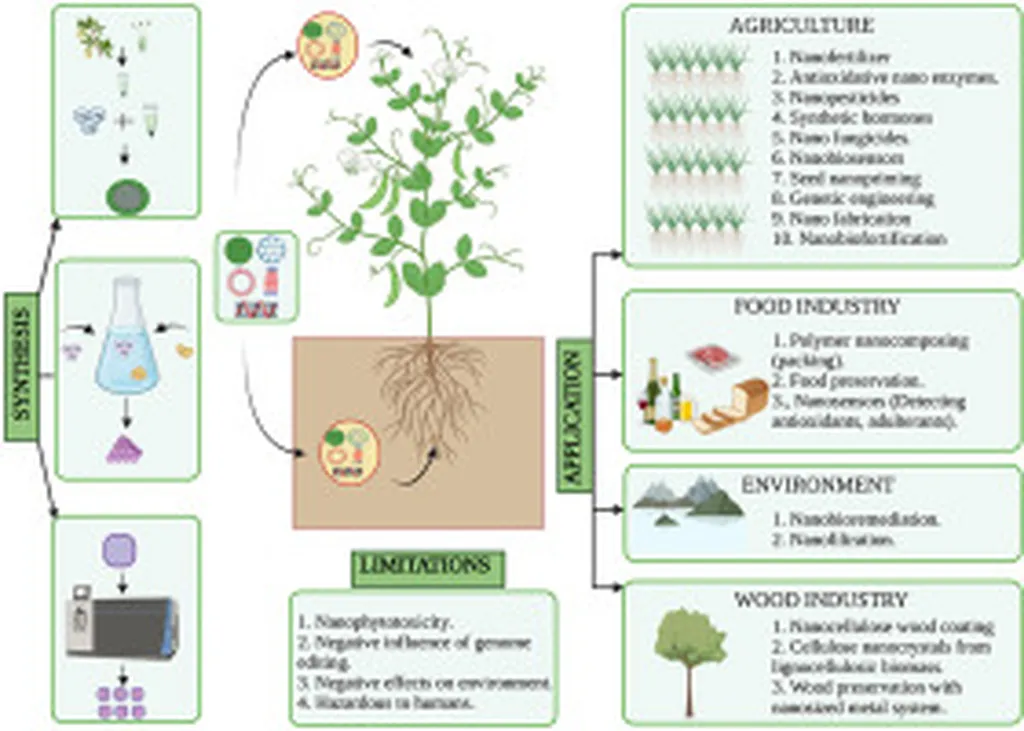
For the agriculture sector, the findings underscore the need for caution and innovation. As ENMs continue to be integrated into agricultural technologies—from nano-fertilizers to pest control—their potential to disrupt soil microbiomes could have far-reaching consequences for crop productivity and sustainability. “We need a balanced approach,” Chowdhury emphasizes, “one that leverages the benefits of nanotechnology while mitigating its risks to microbial ecosystems.”
The review calls for multidisciplinary research and robust regulatory frameworks to ensure the safe and sustainable deployment of nanotechnologies. As the field evolves, collaboration between scientists, policymakers, and industry leaders will be essential to harnessing the potential of ENMs without compromising the delicate balance of the microbiomes that sustain life.