
In the vast, intricate world beneath our feet, a silent crisis is unfolding. Soil biodiversity, the rich tapestry of life that sustains our ecosystems and agriculture, remains one of the most overlooked components of global biodiversity. A recent open letter published in *Plants, People, Planet* calls for urgent action to strengthen national soil biodiversity monitoring through coordination and harmonization. Led by César Marín of the Centro de Investigación e Innovación para el Cambio Climático (CiiCC) at Universidad Santo Tomás in Valdivia, Chile, the letter underscores the need for a systematic approach to soil biodiversity monitoring, which could have profound implications for the agriculture sector.
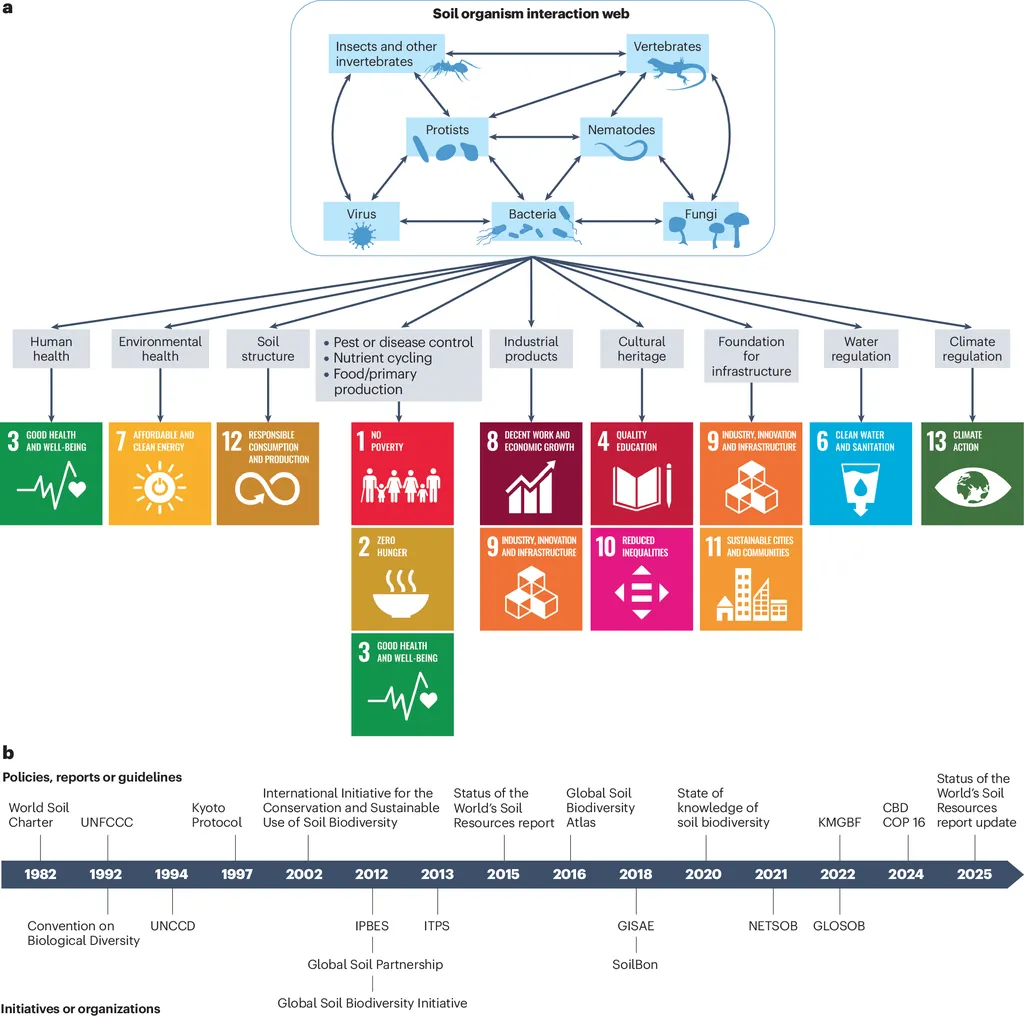
Soil biodiversity is the foundation of healthy soils, supporting everything from nutrient cycling to pest control. Yet, despite its critical role, it has largely been absent from policy agendas. The open letter argues that a lack of standardized monitoring methods has hindered progress. “Without a coordinated approach, we’re essentially flying blind,” Marín explains. “We need to establish standard operating procedures and harmonize efforts across nations to truly understand and protect soil biodiversity.”
The commercial impacts of this research could be substantial. Agriculture relies heavily on healthy soils for productivity and sustainability. By implementing a coordinated monitoring approach, farmers and agribusinesses could gain valuable insights into soil health, enabling them to make informed decisions that enhance crop yields and reduce environmental impact. “Healthy soils lead to healthier crops and more resilient agricultural systems,” Marín notes. “This isn’t just about conservation; it’s about securing our food future.”
The letter also highlights the role of the Subsidiary Body on Scientific, Technical and Technological Advice (SBSTTA) in driving this agenda forward. By advocating for the inclusion of soil biodiversity in national and international policies, SBSTTA could help bridge the gap between science and action. This harmonization could lead to more effective conservation strategies, better land management practices, and ultimately, more sustainable agricultural systems.
The call to action comes at a critical time. As climate change and intensive agriculture continue to degrade soils, the need for robust monitoring and protection measures has never been greater. By strengthening national soil biodiversity action through coordination and harmonization, we can safeguard this vital resource for future generations. The open letter serves as a wake-up call, urging policymakers, scientists, and industry leaders to prioritize soil biodiversity and work together to create a more sustainable and resilient agricultural sector.
As the world grapples with the challenges of feeding a growing population in the face of climate change, the insights from this research could shape future developments in agriculture and environmental policy. By taking a proactive approach to soil biodiversity monitoring, we can ensure that the foundation of our food systems remains strong and resilient for years to come.