
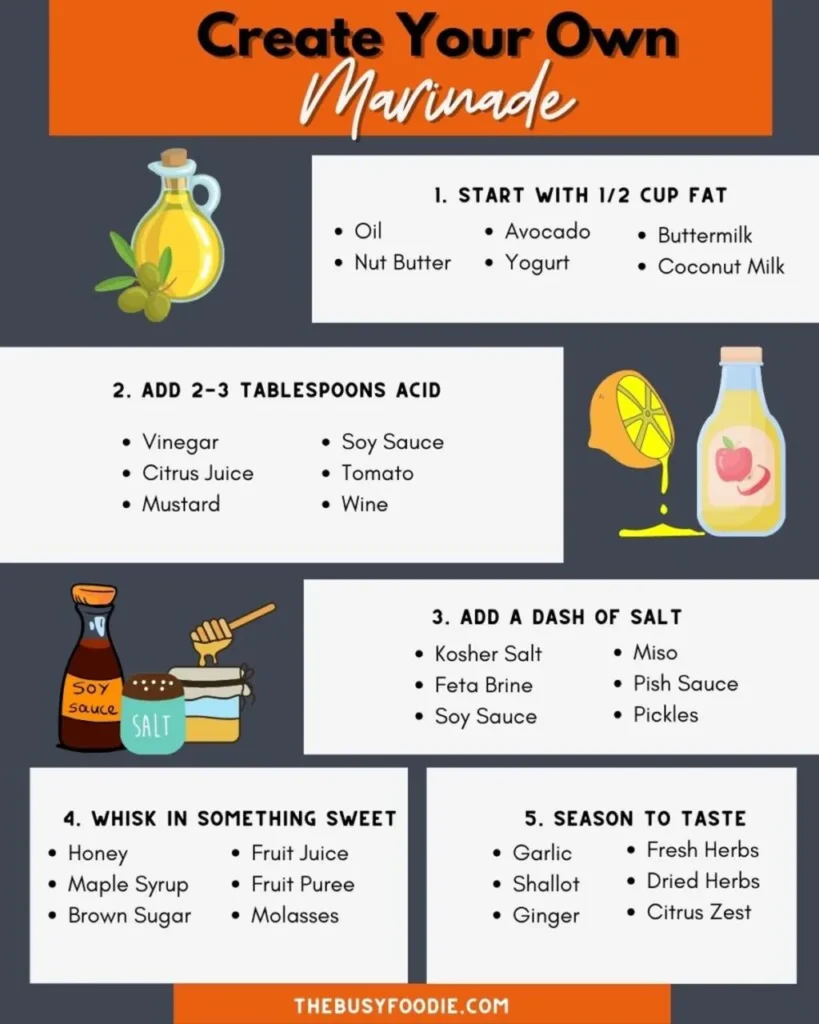
In the world of culinary arts, the marinade is a time-honored technique that transforms the flavor profile of dishes, particularly in braised preparations. Yet, the science behind how marinades evolve during the cooking process has remained somewhat of a mystery—until now. A recent study published in *Current Research in Food Science* sheds light on the dynamic changes in nutritional content, flavor dissipation, and antioxidant activity that occur during the cooking of marinades, offering valuable insights for both chefs and the agriculture sector.
The research, led by Shi Nie of the National R&D Center for Freshwater Fish Processing at Jiangxi Normal University, focused on a specific spice formulation commonly used in marinades. By analyzing the marinade at various cooking intervals, the team uncovered critical insights into how time influences its quality and flavor. Free amino acids and fatty acids, key components that contribute to the marinade’s depth of flavor, peaked at around 40 minutes of cooking. This finding suggests that there may be an optimal cooking window to maximize these desirable compounds.
Using gas chromatography-mass spectrometry (GC-MS), the researchers identified 246 volatile compounds, with 29 key compounds playing a significant role in flavor development. Notably, the study found that the concentration of most flavor compounds decreased over time, with a particularly sharp decline between 60 and 80 minutes of cooking. “The dissipation of flavor compounds during this period is quite pronounced, which could have implications for how long marinades are stewed in commercial and home cooking,” Nie explained.
The study also revealed that the marinade’s dominant aroma characteristics—balsamic and spicy notes—were most pronounced between 40 and 60 minutes of cooking. This period appears to be the sweet spot for achieving the desired sensory profile. The researchers further analyzed the correlation between these key flavor compounds and sensory attributes, finding that most compounds significantly influenced aftertaste and woody notes. These compounds were also positively correlated with amino acids and fatty acids, highlighting their role in enhancing the marinade’s overall flavor.
One of the most encouraging findings was that the marinade maintained good antioxidant activity throughout the cooking process. This suggests that marinades not only enhance flavor but also contribute to the nutritional value of dishes, a factor that could be leveraged in health-conscious food products.
For the agriculture sector, these findings are particularly relevant. Understanding how spices and marinades evolve during cooking can help farmers and food producers optimize their spice formulations and processing techniques. By identifying the optimal cooking times for maximizing flavor and nutritional benefits, they can develop products that meet consumer demands for both taste and health. Additionally, the study’s insights into flavor dissipation could inform the development of new spice blends or preservation techniques to extend the shelf life of marinades and other spice-based products.
As the food industry continues to evolve, research like this provides a foundation for innovation. By unraveling the complexities of marinade chemistry, scientists and food producers can work together to create products that are not only delicious but also nutritionally beneficial. The findings from this study could pave the way for new advancements in food science, ultimately benefiting both consumers and the agriculture sector.