
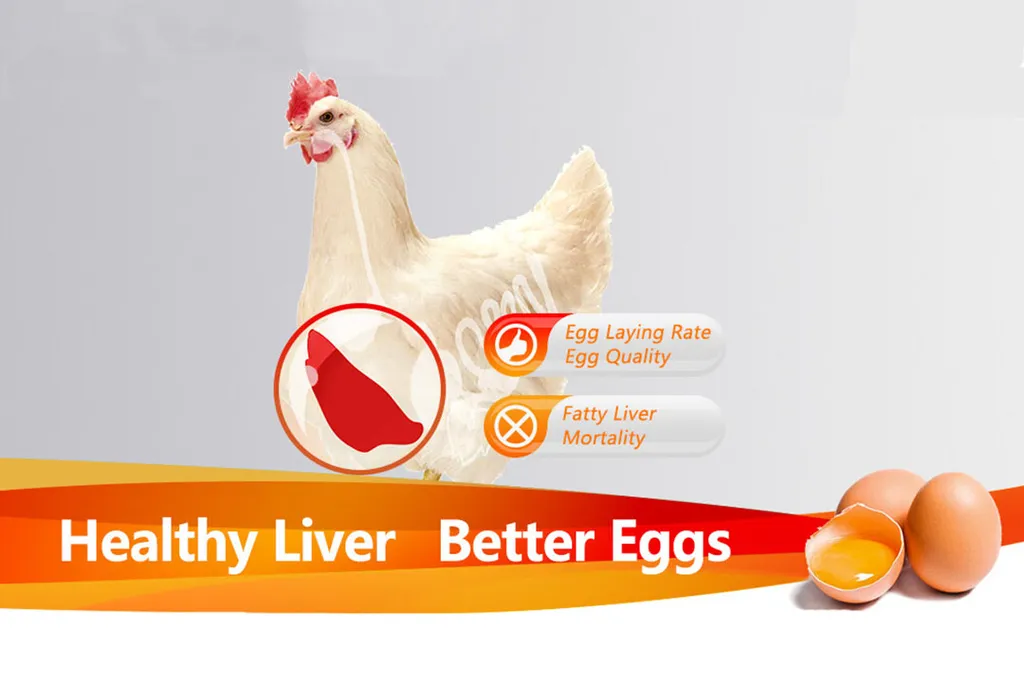
In the ever-evolving world of poultry farming, researchers are continually seeking innovative ways to enhance the health and productivity of laying hens, particularly those in the late phases of their laying cycle. A recent study published in *Poultry Science* offers promising insights into the benefits of dietary bile acids (BAs) supplementation, potentially revolutionizing the way farmers approach hen nutrition.
The study, led by Qingsong Fan of the Key Laboratory of Efficient Utilization of Non-grain Feed Resources at Shandong Agricultural University, investigated the effects of dietary BAs on hepatic lipid accumulation and fatty acid profiles in late-phase laying hens. The research involved 1080 healthy 76-week-old Hy-line Brown hens, divided into four groups and fed diets supplemented with varying levels of BAs: 0 (control), 200 (BA200), 300 (BA300), and 500 (BA500) mg/kg.
The findings were striking. BAs supplementation significantly reduced steatotic foci and lipid droplets in hepatocytes, minimized vacuoles, and increased the number of normal hepatocytes. This suggests that BAs can play a crucial role in maintaining liver health in older laying hens. “The reduction in hepatic lipid accumulation is a significant finding,” noted Fan. “It indicates that BAs can help mitigate liver-related issues that often plague hens in the late laying phase.”
Moreover, the study revealed that BAs addition altered the fatty acid profile in the liver. Specifically, it reduced the content of certain fatty acids like C20:0, C22:0, and C24:0, while up-regulating the mRNA expression levels of HSL and FABP4. This metabolic shift could have profound implications for the overall health and productivity of the hens.
One of the most intriguing findings was the dose-dependent response observed in the different treatment groups. The BA200 group showed a significant increase in C17:0 and C20:2 concentrations, while the BA300 group had lower triglyceride content and reduced mRNA expression levels of FAS and SCD. “This dose-dependent effect is crucial for farmers,” explained Fan. “It means they can tailor the BAs supplementation to achieve specific health outcomes, optimizing both the well-being of the hens and the economic returns.”
The commercial implications of this research are substantial. As poultry farmers strive to maximize productivity and minimize health issues, dietary supplements like BAs offer a promising avenue. By improving liver health and altering fatty acid profiles, BAs can potentially increase the lifespan and productivity of laying hens, leading to higher egg production and better economic outcomes for farmers.
The study also opens up new avenues for further research. Understanding the precise mechanisms by which BAs influence hepatic lipid metabolism and fatty acid profiles could lead to the development of more targeted and effective nutritional strategies. “This is just the beginning,” said Fan. “We hope our findings will spur further investigation into the role of BAs and other dietary supplements in poultry nutrition.”
In conclusion, this research highlights the potential of dietary BAs supplementation to enhance the health and productivity of late-phase laying hens. As the agricultural sector continues to seek innovative solutions to improve animal welfare and economic efficiency, studies like this one pave the way for a more sustainable and productive future.