
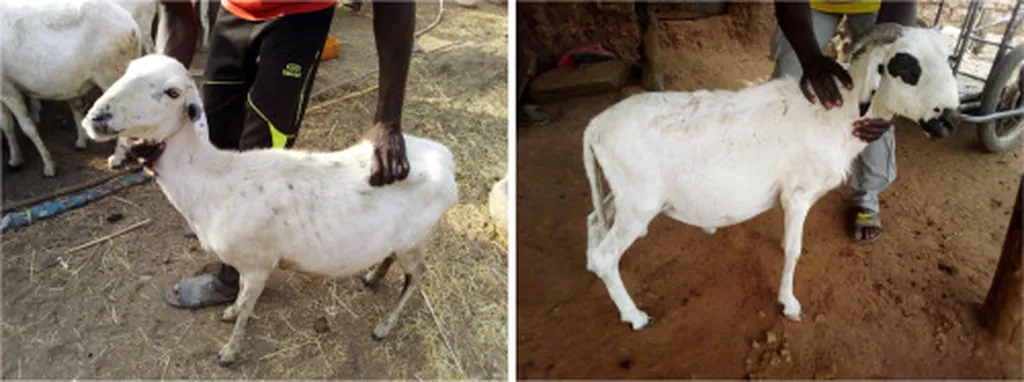
In the heart of Cameroon’s Sudano-Sahelian zone, a unique sheep breed known as Poulfouli has been quietly thriving, its phenotypic diversity largely undocumented until now. A recent study published in *Scientific African* sheds light on this native population, offering insights that could significantly impact the agricultural sector.
The research, led by T.P.L. Douandji of the Biotechnology and Bio-Informatics Research Unit at the University of Dschang, characterized a sample of 305 adult Poulfouli sheep, revealing a rich tapestry of phenotypic traits. The study found that the breed’s coat is predominantly multicolored, with a striking magpie black pattern being the most common. Other color patterns, such as magpie brown and white, were less frequently observed.
One of the most intriguing findings was the presence of wattles in a small percentage of the sheep (5.57%), a trait not commonly seen in other sheep breeds. Additionally, the mane was observed exclusively in males (18.69%), and horns were present in 44.26% of the animals, with a higher prevalence in rams (37.38%) compared to ewes (7.54%).
The study also provided detailed morpho-biometric measurements, offering a comprehensive overview of the breed’s physical characteristics. For instance, the average chest depth was measured at 34.35 cm, while the thoracic circumference averaged 76.84 cm. The average adult live weight was recorded at 34.02 kg, providing valuable data for breeders and agriculturalists.
“This very first phenotypic assessment offers the possibility of genetic improvement through selection,” said lead author T.P.L. Douandji. The findings could pave the way for targeted breeding programs aimed at enhancing desirable traits, such as disease resistance, productivity, and adaptability to the local environment.
The commercial implications of this research are substantial. By understanding and leveraging the phenotypic diversity of the Poulfouli sheep, farmers and agricultural enterprises can potentially improve the breed’s overall performance, leading to increased productivity and economic benefits. The study also highlights the importance of documenting and preserving native livestock populations, which are often overlooked in favor of more commercially prevalent breeds.
As the agricultural sector continues to evolve, the insights gained from this research could shape future developments in livestock management and genetic improvement. By harnessing the unique traits of the Poulfouli sheep, stakeholders can contribute to a more sustainable and resilient agricultural ecosystem.
The study, published in *Scientific African*, represents a significant step forward in the characterization and understanding of native sheep populations in Cameroon. As the lead author, T.P.L. Douandji, and his team continue their work, the agricultural community eagerly anticipates further discoveries that could unlock the full potential of this remarkable breed.