
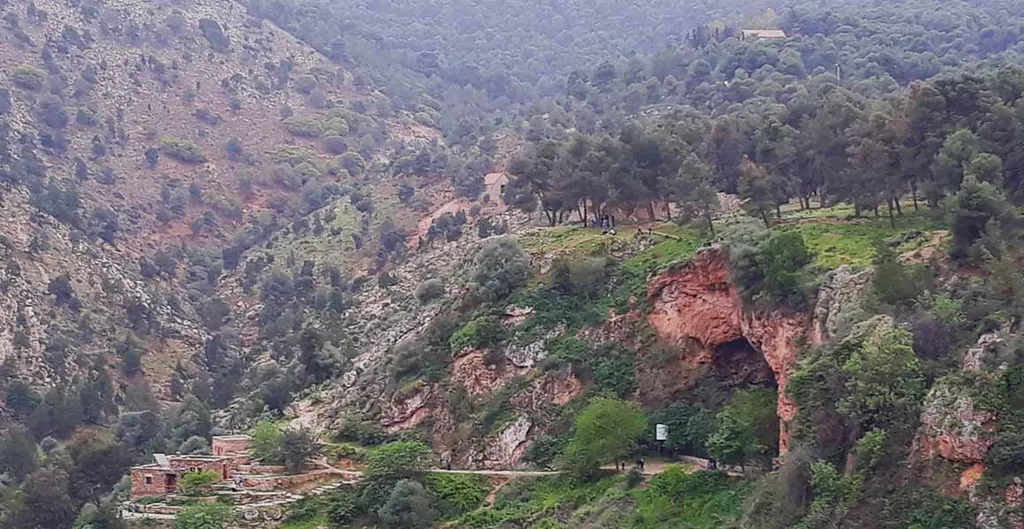
In the heart of Morocco’s Atlas Mountains, a precious endemic thyme species, Thymus atlanticus, faces threats from overgrazing and soil degradation. However, a recent study published in *Scientific African* offers a glimmer of hope for the conservation and sustainable use of this biologically rich plant. Led by Brahim Ouahzizi from the African Genome Center at University Mohammed VI Polytechnic (UM6P), the research demonstrates that cultivating T. atlanticus under protected conditions can preserve its valuable chemical profile and biological activities.
Thymus atlanticus is known for its numerous biological properties, making it a treasure trove for medicinal and therapeutic applications. The study aimed to assess whether cultivation could maintain the plant’s chemical stability and biological activities, ensuring its conservation and sustainable use. To achieve this, the researchers conducted Gas Chromatography-Mass Spectrometry (GC–MS) and High-Performance Liquid Chromatography (HPLC) analyses on both wild and cultivated populations. They also evaluated the plants’ antioxidant, anti-inflammatory, and hypolipidemic activities.
The results were promising. The chemical profiles of wild and cultivated T. atlanticus were nearly identical, with only minor quantitative differences. Total phenolic content and in-vitro antioxidant activity showed slight variations, but the anti-inflammatory properties of the two populations were comparable, with no significant differences observed. Moreover, both wild and cultivated T. atlanticus extracts demonstrated significant hypolipidemic activity, comparable to the standard pharmaceutical agent simvastatin.
“This study shows that cultivation can be a viable strategy for conserving Thymus atlanticus,” said lead author Brahim Ouahzizi. “Given its diverse biological and phytotherapeutic properties, cultivation not only helps preserve this threatened species but also ensures its sustainable use for medicinal and therapeutic purposes.”
The implications for the agriculture sector are substantial. The successful cultivation of T. atlanticus opens doors for commercial farming, providing a steady supply of this valuable plant for pharmaceutical and therapeutic industries. This can lead to economic opportunities for farmers and contribute to the development of sustainable agricultural practices.
Furthermore, the research highlights the importance of conserving endemic species and exploring their potential for commercial applications. As Ouahzizi noted, “The conservation of endemic species like Thymus atlanticus is crucial for preserving biodiversity and discovering new medicinal compounds.”
The study’s findings pave the way for future developments in the field of agritech and pharmaceuticals. By demonstrating the stability of T. atlanticus’s chemical profile and biological activities under cultivation, the research encourages further exploration of other endemic species for commercial and therapeutic uses. This could lead to innovative agricultural practices and the development of new pharmaceutical products, benefiting both the environment and the economy.
In an era where sustainable practices and biodiversity conservation are paramount, this research offers a compelling example of how science and agriculture can intersect to create meaningful and impactful solutions. As we look to the future, the cultivation of Thymus atlanticus stands as a testament to the potential of integrating conservation efforts with commercial agriculture, ensuring a healthier planet and a thriving economy.