
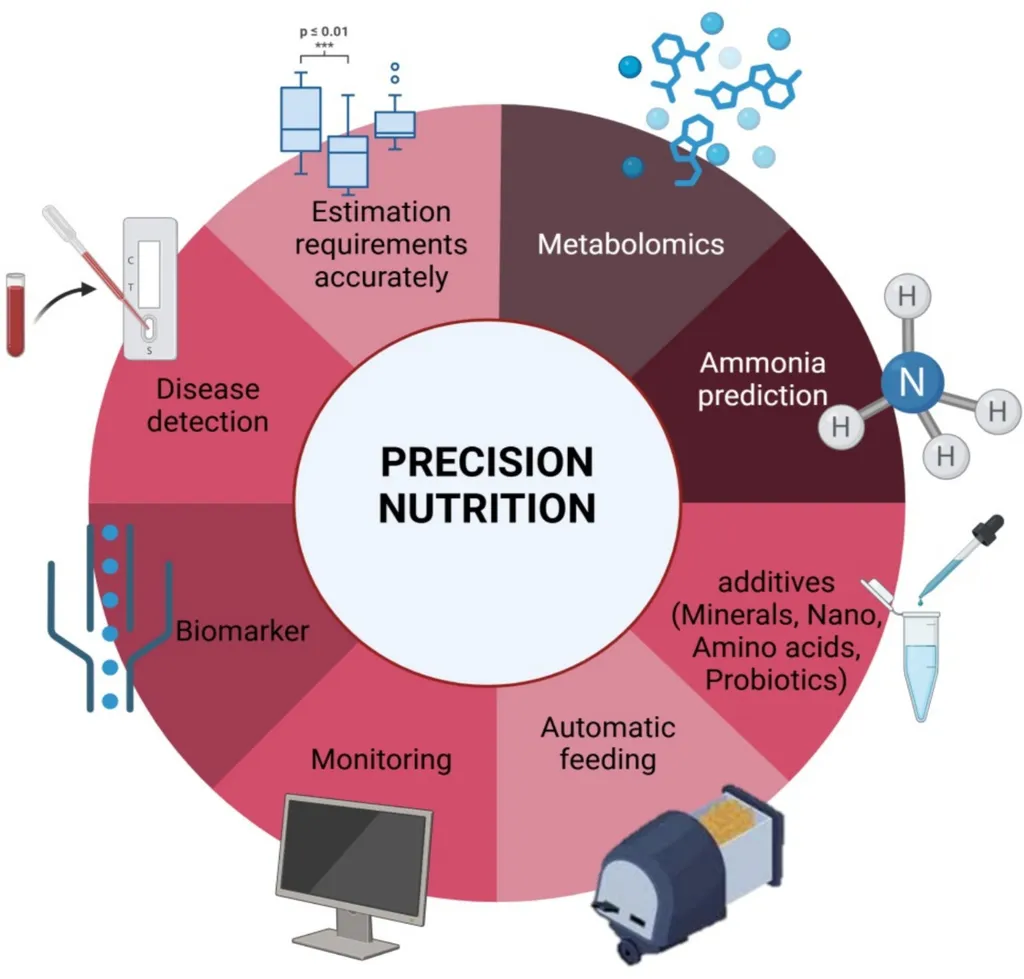
In the quest to optimize poultry farming, a recent study published in *Poultry Science* has shed new light on how ambient temperature affects the energy requirements of layer-type chicks. The research, led by Yihui Liu from the Department of Animal Science at Shandong Agricultural University, offers valuable insights that could revolutionize precision feeding strategies in the poultry industry.
The study, titled “Modeling energy requirement for layer-type chicks reared at different ambient temperatures,” investigated the impact of varying temperatures on the net energy requirement of chicks from 1 to 14 days of age. Precision feeding, a method that tailors nutrient intake to the specific needs of the birds, is crucial for efficient poultry farming. This research provides a scientific basis for adjusting feeding practices based on rearing temperatures, potentially leading to significant improvements in productivity and sustainability.
In the first trial, the researchers measured the energy requirement for maintenance (MEm) of chicks at different temperatures. They found that the fasting heat production (FHP) decreased as the temperature increased. “The FHP of chicks at 30, 32, 34, 36, and 38 °C was 519.70, 710.80, 493.50, 361.70, and 437.90 kJ/kg W0.75/day, respectively,” reported Liu. This finding suggests that chicks require less energy to maintain their body functions in warmer environments, a critical insight for farmers looking to optimize feed efficiency.
The second trial focused on the growth performance of chicks reared at different temperatures. The researchers observed that body weight gain and feed intake decreased with increasing temperature, while the feed conversion ratio was affected only in the first week. “The relative weight of heart, liver, and breast muscles were decreased with increased temperature,” noted Liu. This indicates that higher temperatures may impact the development of vital organs and muscle mass, which are essential for the overall health and productivity of the birds.
One of the most significant findings was that the net energy (NE) requirement for body weight gain was not altered by temperature. This means that while the energy required for maintenance changes with temperature, the energy needed for growth remains constant. This discovery could simplify feeding strategies, as farmers can focus on providing a consistent energy intake for growth, while adjusting maintenance energy based on ambient temperature.
The study’s findings have profound implications for the poultry industry. By understanding how temperature affects energy requirements, farmers can implement more precise feeding strategies, leading to improved feed conversion ratios and reduced waste. This not only enhances productivity but also contributes to sustainability by minimizing resource use.
Looking ahead, this research could pave the way for the development of smart feeding systems that automatically adjust nutrient intake based on real-time temperature data. Such systems could revolutionize poultry farming, making it more efficient and environmentally friendly. As Liu’s work demonstrates, the future of poultry farming lies in the intersection of science, technology, and sustainability.
The study, published in *Poultry Science*, was led by Yihui Liu from the Department of Animal Science at Shandong Agricultural University, a key institution in the field of animal science and biotechnology. This research underscores the importance of ongoing scientific inquiry in driving innovation and progress in the agriculture sector.