
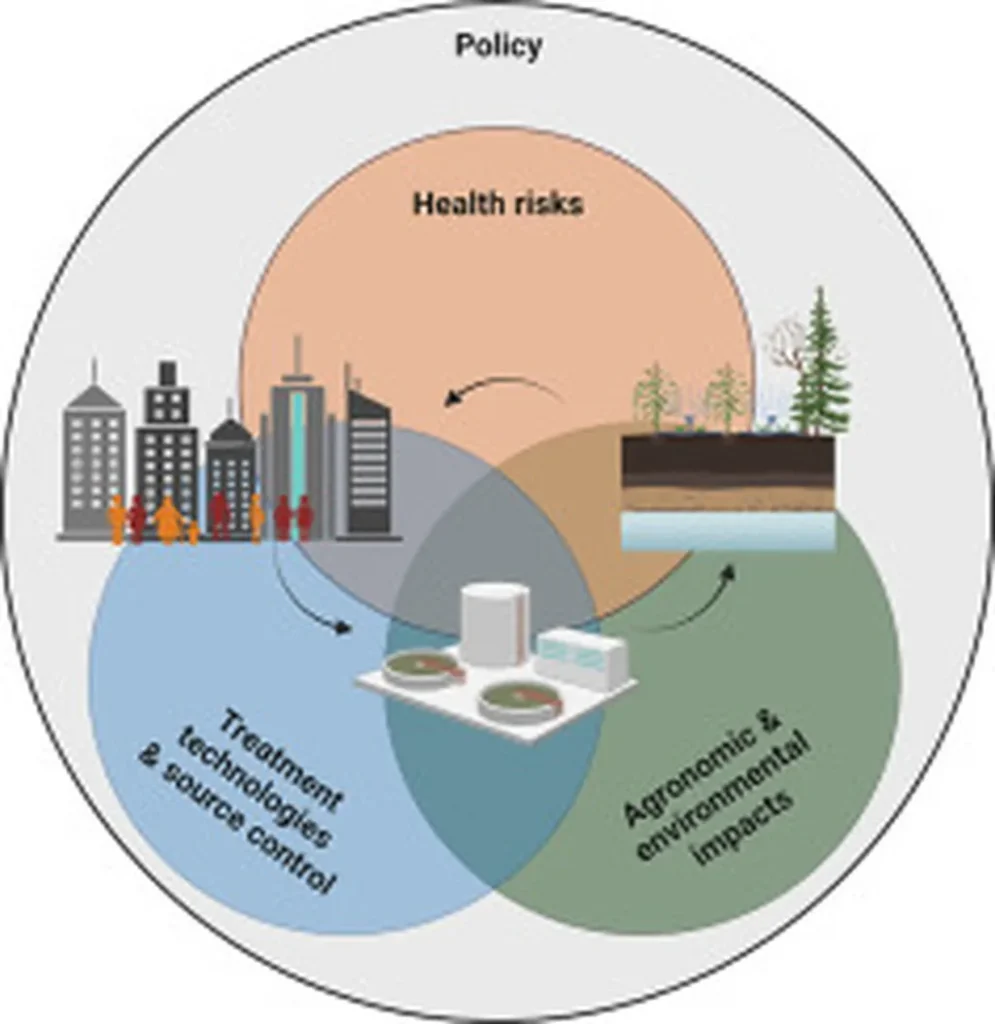
In the quest for sustainable agricultural practices, researchers are increasingly turning to treated wastewater as a viable irrigation solution. A recent study published in the *ISPEC Journal of Agricultural Sciences* sheds light on how this practice affects pepper plants at both the physiological and molecular levels. The research, led by Merve Dilek Karataş from Van Yuzuncu Yıl University’s Faculty of Agriculture, offers insights that could reshape how farmers approach water management in the face of growing scarcity.
The study focused on the early development stages of pepper plants, comparing those irrigated with treated wastewater to those watered with tap water. The findings revealed that treated wastewater significantly boosted chlorophyll content in the leaves, resulting in a darker, greener hue. This enhancement in chlorophyll suggests a temporary boost in photosynthetic capacity, which could translate to healthier, more robust plants.
At the molecular level, the research uncovered nuanced responses in stress-related genes. The gene CaCAT2 showed moderate upregulation, indicating a heightened state of alertness in the plants. Meanwhile, CaDREB32 exhibited only slight changes, and CaLOX1 experienced a notable 50% increase in expression. “The upregulation of CaLOX1 is particularly intriguing,” Karataş noted. “It suggests that while treated wastewater can enhance photosynthetic efficiency, it also triggers stress-related pathways, which could have long-term implications for plant health and crop yield.”
The commercial implications of these findings are substantial. As water scarcity becomes an increasingly pressing issue, farmers are looking for sustainable alternatives to traditional irrigation methods. Treated wastewater offers a promising solution, but the study underscores the need for careful consideration. “The benefits are clear, but we must also be aware of the potential risks,” Karataş emphasized. “Understanding these molecular responses will help us develop strategies to mitigate any adverse effects and maximize the benefits of treated wastewater irrigation.”
The research highlights the delicate balance between leveraging treated wastewater for agricultural purposes and ensuring long-term sustainability. As the agricultural sector continues to evolve, these findings could pave the way for more informed decision-making, ultimately contributing to more resilient and productive farming practices. The study not only advances our understanding of plant responses to treated wastewater but also sets the stage for future innovations in sustainable agriculture.